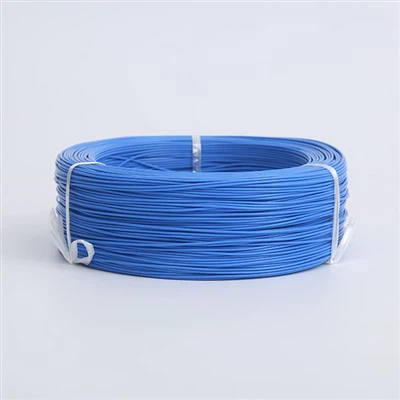
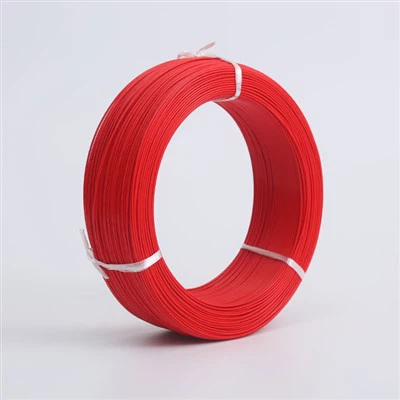
Zhejiang IRONFLON Wire & Cable Co., Ltd. is one of the most professional manufacturers and suppliers of single core power cable in China, also supports customized service. Please feel free to buy high quality single core power cable for sale here from our factory. Also, free sample is available.
Why Choose Us
Rich Experience
Able to quickly reach consensus on product development, production, and supply needs and provide corresponding solutions.
Research and Development
We attach great importance to investment in product research and development, build a scientific and reasonable R&D system, and closely meet the.
Our Service
We commit ourselves to providing our customers with superior quality, excellent service and competitive prices.
Provide Customization
Different specifications and functions can be customized according to customer requirements to meet the actual needs of customers.
Win-Win Cooperation
Adhering to the development strategy of growing together with well-known enterprises, we work together to forge ahead, develop together, and win the future together.
Quick Transportation
We cooperate with professional sea shipping, air and logistics companies to provide you with the best transportation solution.

UL1213 Nickel Plated PTFE Insulated Wire
UL1213 nickel plated PTFE insulated wire is made of high-quality materials. Its insulation material is PTFE. This cable can work in environments with low temperatures of -65℃ and high temperatures of 105℃, and has the characteristics of wear resistance and corrosion resistance.

UL10125 Tin Plated ETFE Insulated Wire
UL10125 tin plated ETFE insulated wire is a special type of electronic cable that uses ETFE (ethylene tetrafluoroethylene copolymer) as insulation material and tinned conductors. This type of cable has excellent characteristics such as high temperature resistance, corrosion resistance, low smoke, halogen-free and flame retardant, and is widely used in situations that require high reliability signal transmission, such as automobiles, ships, rail transit, etc.

UL10344 Nickel Plated PTFE Insulated Wire
UL10344 nickel plated PTFE insulated wire is an environmentally friendly cable. It uses PTFE insulation material, which has chemical corrosion resistance and excellent temperature resistance characteristics. Its rated temperature is 250℃ and rated voltage is 600V.

UL1815 Nickel Plated PTFE Insulated Wire
UL1815 nickel plated PTFE insulated wire is a single core cable produced by us. It is made of high-quality materials, and its insulation material is PTFE. The rated temperature of this cable is 250℃ and the rated voltage is 300V. It has good high-temperature resistance and can work normally at high temperatures of 250℃.

UL10393 Nickel Plated PTFE Insulated Wire
PTFE is currently one of the most widely used varieties of fluoroplastics. As a material with excellent electrical properties, PTFE insulation materials can still be used normally in high-frequency environments.

UL1198 Nickel Plated PTFE Insulated Wire
UL1198 nickel plated PTFE insulated wire is a high-quality high-temperature resistant cable with a rated temperature of 150℃ and a rated voltage of 600V. This cable adopts environmentally friendly and flame-retardant PTFE insulation particle material, which has excellent high and low temperature performance and chemical stability, good electrical insulation, non-adhesion, weather resistance, non-combustion, and good lubrication, ensuring safe and reliable use.

UL1164 Nickel Plated PTFE Insulated Wire
UL1164 nickel plated PTFE insulated wire is made of special insulating material, which can be used in low and high temperature environments from -60℃ to 150℃. This kind of wire also has good anti-aging property, and uses environmentally friendly insulation materials to meet the requirements of ROSH.

UL1212 Nickel Plated PTFE Insulated Wire
UL1212 nickel plated PTFE insulated wire is a high-performance wire. It is widely used due to its excellent electrical performance, high temperature resistance, and corrosion resistance. This cable uses PTFE as the insulation material, which has excellent high temperature resistance and corrosion resistance, and can maintain stable performance in extreme environments.
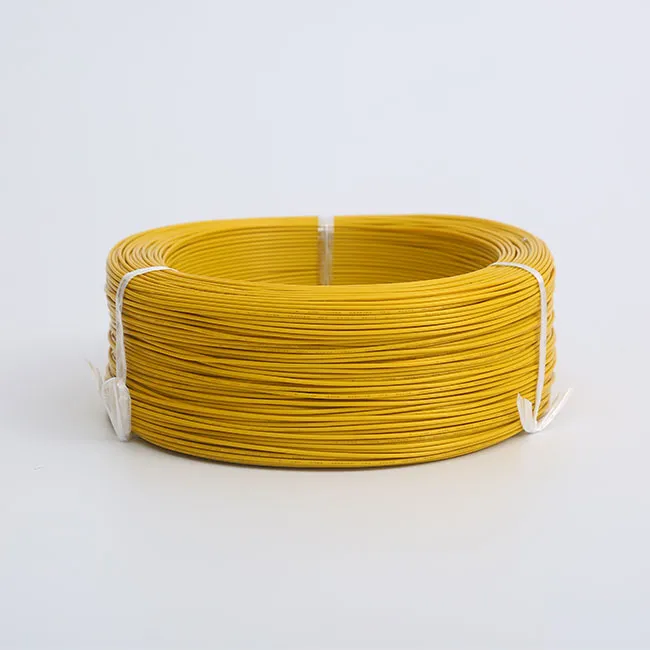
UL1659 Silver Plated PTFE Insulated Wire
UL1659 silver plated PTFE insulated wire is a special type of wire mainly used for power transmission and signal transmission in high-temperature environments. This type of cable has a rated voltage of 600V and a working temperature range of -80°C to 250℃, which can withstand extremely high temperatures and is therefore suitable for high-temperature environments.
What is UL10086 Tin Plated ETFE Insulated Wire?
UL10086 refers to a specific type of wire that is insulated with ethylene tetrafluoroethylene (ETFE) and tin plated for added protection. This wire is typically used in applications that require excellent thermal and chemical stability, as well as good electrical properties.
Advantages of UL10086 single core power cable
Easy to Install and Maintain
Unlike many other wires, a Wire is flexible and hence, easy to bend into any convenient shape. They can also be welded, which is why they are available in an array of sizes and pre-sizes shapes, too. Their light weight enables easy maintenance.
Environmentally Friendly
With the world becoming more conscious about environmental pollution, so have Insulated Wire manufacturers. These cables now have a low lead and heavy metal content, less hydrogen chloride and are non-toxic.
Flame Retardant
A major benefit of a Insulated Wire sheath is that it has the ability to extinguish sparks or flames. So, in essence, if the source of a fire has been dealt with, the Insulated Wire will stop burning automatically.
Temperature Resistant
Insulated Wire have great dielectric strength, meaning they can sustain a high electric field before their insulating properties begin to diminish. This makes them resistant to extreme temperatures.
High operating temperature
Mineral insulated cables are resistant to continuous operating temperatures up to 250 °C. However, in an emergency, the cable can continue to operate in a short time at a temperature close to the melting point of the copper sheath.
Fire resistance
The two materials copper and magnesium oxide used in mineral insulated cables are inorganic. This type of cable will not burn or burn, and will continue to operate under conditions close to the flame.
Explosion-proof
Highly compacted insulating material in mineral insulated cables that prevents steam, gas and flame from passing between equipment parts connected to the cable.
Safety and leakage prevention
Sometimes the wires are subject to the environment of the outside world and may be subject to frequent movement or friction. Therefore, the double insulated wire can strengthen the wire to prevent damage caused by friction, thereby preventing leakage and ensuring safe use of electricity.
Types of UL10086 single core power cable

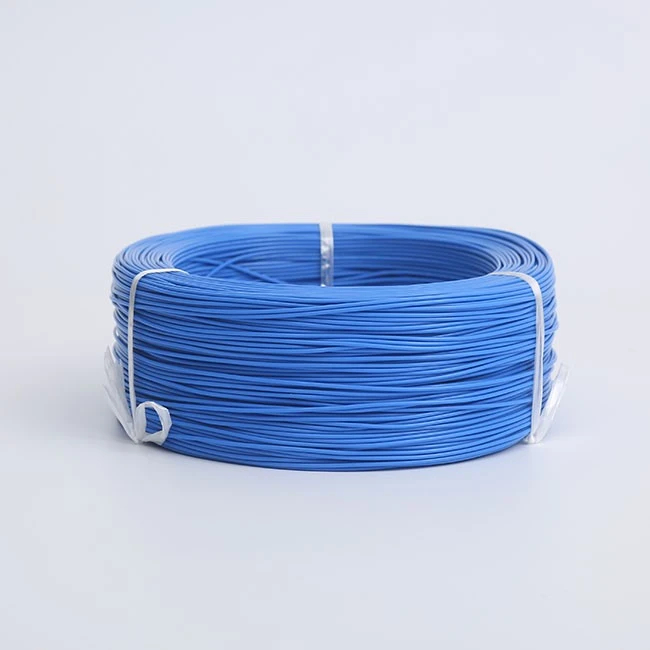


Polyvinyl chloride (A.K.A. PVC): PVC is one of the most widely produced plastics in the world, and consequently it is commonly used as an electrical insulator. PVC is common as an electrical insulator because it is flexible, durable, and cost-effective. It is also rated for use in a relatively wide range of temperatures. Combining PVC with different plasticizers can alter its rigidity and strength, making it even more widely versatile. PVC offers good to excellent resistance against sunlight, heat, oxidation, acids and alkalines, flames, and ozone.
Polyethylene: Polyethylene insulation, also known as PE, is the most widely produced thermoplastic in the world. It has low dielectric properties and capacitance and offers excellent low-temperature flexibility as well as excellent resistance to sunlight, oxidation, abrasion, acids, and alkalines.
Polypropylene: Polypropylene insulation, also known as PP, is also a thermoplastic. It is useful under a wide range of temperatures (from well below 0℉ to over 200℉) and is non-polar but is less flexible than PE. PP insulation is highly suitable for underground burial and offers excellent resistance to sunlight, ozone, acids and bases, heat, oxidation, water, and alcohol, making it suitable for use in wet locations.
Nylon: Nylon insulation is a highly flexible synthetic material that is commonly used as an electrical insulator due to its exceptional flexibility and resistance to abrasion and chemicals. Nylon is extremely resistant to oxidation, heat, sunlight, oil, and alkaline substances. However, nylon offers poor resistance to acids, alcohol, water intrusion/permeability, and flames. It is also not suitable for underground burial and is better suited to use in dry locations.
Thermoplastic rubber: Also known as TPR insulation, thermoplastic rubber is a combination of rubber and plasticizers that offers a fair mix of flexibility and durability. It is resistant to heat, weather, and aging and is suitable for fairly harsh environments.
Ethylene propylene rubber (EPR): EPR insulation is a synthetic elastomer that is chemically similar to EPDM, or ethylene diene monomer insulation, that is renowned for its resistance to sunlight and weather. Like EPDM, EPR is suitable at a wide range of temperatures and is highly durable in most environments.
Thermoplastic elastomers (TPE): TPE insulators are a class of electric wire and cable insulators that offer a wide operating temperature range and are highly resistant to UV and fire while remaining fairly flexible.
Fluorinated ethylene propylene (FEP): Fluorinated ethylene propylene has an extremely wide temperature range, from under -100℉ to over 392℉. It is also very resistant to chemicals and offers excellent electrical properties. FEP Teflon insulation offers outstanding resistance to oxidation, sunlight, oil, heat, and fire, and excellent resistance to acids, alkaline, water, alcohol, abrasion, and ozone. Moreover, it is one of the few electrical insulators that offers excellent resistance to aliphatic and halogenated hydrocarbons. The only real weakness of FEP insulation is nuclear radiation - although, very few insulators are suitable to use in the presence of radiation, anyway.
Polyurethane (PUR): Polyurethane insulation is a tough polymer that remains flexible at low temperatures and is fairly cost-effective to produce and use. While it is flammable and has poor electrical properties, it is highly resistant to oxidation, ozone, oil, and alcohol, so it is sometimes used in low voltage settings.
Aerospace: Due to its high-temperature resistance and flexibility, silicone insulated wire is often used in aerospace applications, such as in the wiring of aircraft engines and control systems.
Automotive: In the automotive industry, silicone insulated wire is used in engine compartments, sensors, and control systems where high-temperature resistance and flexibility are essential.
Electronics: Silicone insulated wire is used in various electronic devices and appliances, such as power supplies, transformers, and heating elements, where temperature fluctuations and flexibility are important factors.
Selecting the Right UL10086 single core power cable
Temperature Range: Ensure the chosen wire can withstand the temperatures it will be exposed to in your specific application. Consider both the minimum and maximum temperatures the wire is rated for.
Voltage Rating: Select a wire with an appropriate voltage rating for your application to ensure the wire's insulation can handle the voltage levels in your system.
Wire Gauge: Choose the right wire gauge based on the current carrying capacity required for your project. Keep in mind that thicker wires have lower gauge numbers and can carry more current.
Conductor Material: Consider the conductor material, such as copper or aluminum, based on factors like conductivity, weight, and cost.
Jacket Material: In some cases, silicone insulated wires may also feature an outer jacket made of materials like fiberglass or other materials to provide additional protection against abrasion or chemicals.
Our Factory
With strong belief in honesty and credit, we have built strong business relationships with many companies all over the world. We commit ourselves to providing our customers with superior quality, excellent service and competitive prices. We sincerely welcome customers at home and abroad to cooperate with us on the basis of mutual benefit. We will add value to anyone who will be our customer.

FAQ
Hot Tags: single core power cable, China single core power cable, power transmission wire, ul1516 tin plated etfe insulated wire, ul10125 tin plated etfe insulated wire, UL10316 ETFE Insulated Wire, aviation cable, etfe wire insulation