


Custom high temperature insulation wire for Wholesale — IRONFLON
Zhejiang IRONFLON Wire&Cable Co., Ltd. is a source manufacturing enterprise specializing in high-temperature fluoroplastic (PTFE/XLPE/PFA/FEP) insulated wires and cables. We have 8 independent production lines with a monthly production capacity of up to 7500 kilometers, and have passed the ISO 9001, IATF 16949:2016 quality system and UL (E252458), RoHS authoritative certifications, supporting comprehensive and deep customization of specifications, conductors, colors, and lengths. By relying on factory price direct sales for bulk delivery guarantee and one-on-one exclusive service of "sales+technical engineers", we provide highly reliable cable solutions for high-temperature electrical applications of global customers.



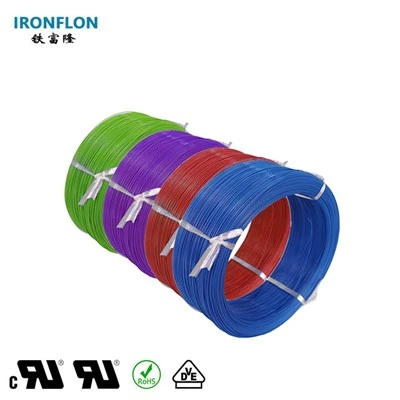


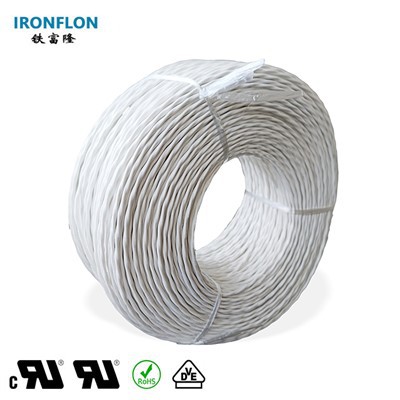
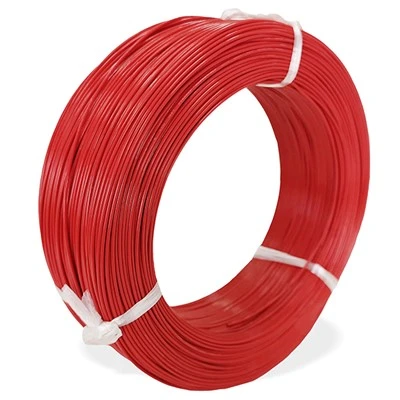
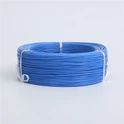


What is High Temperature Insulation Wire?
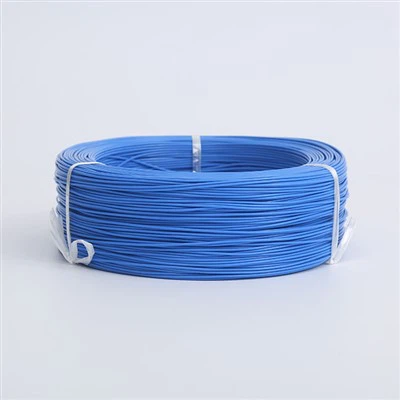
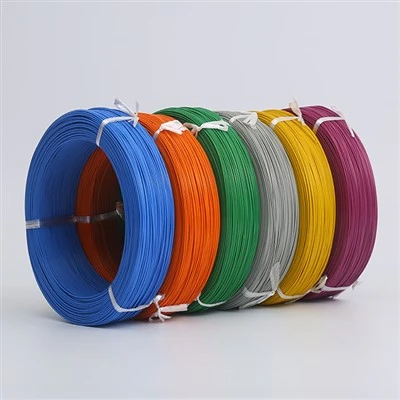
High temperature insulated wire refers to a specialized electrical conductor wrapped in high-performance fluorinated polymers (such as ETFE, PTFE, and FEP) or high-quality silicone, which can maintain complete electrical and mechanical integrity in extreme thermal environments.
These wires are designed specifically for high stress applications and are key components in aerospace electronics, automotive powertrain electronics, industrial heating equipment, medical electronics, and high-density power distribution devices.
Driven by global electrification, equipment miniaturization, and strict international compliance standards such as UL and RoHS, high-temperature wire solutions provide original equipment manufacturers and procurement teams with the necessary chemical resistance, flame retardancy, and long-term operational reliability under harsh operating conditions.
Why Choose Our High Temperature Insulation Wire?
Rich Experience
Able to quickly reach consensus on product development, production, and supply needs and provide corresponding solutions.
Research And Development
We attach great importance to investment in product research and development, build a scientific and reasonable R&D system, and closely meet the.
Our Service
We commit ourselves to providing our customers with superior quality, excellent service and competitive prices.
Provide Customization
Different specifications and functions can be customized according to customer requirements to meet the actual needs of customers.
Win-Win Cooperation
Adhering to the development strategy of growing together with well-known enterprises, we work together to forge ahead, develop together, and win the future together.
Quick Transportation
We cooperate with professional sea shipping, air and logistics companies to provide you with the best transportation solution.
Materials Commonly Used For Insulated Wire


Plastic
Plastics exhibit a number of useful characteristics ideal for wire insulation, including ductility, electrical resistance, UV resistance, and fire resistance. Below are popular plastics used in Insulated Wire insulation:
Polyvinyl Chloride (PVC): PVC is one of the most commonly used insulation materials due to its cost effectiveness and high durability. It exhibits high resistance to fire and chemicals, and can maintain its shape and durability in temperatures from -55°C up to 105°C.
Semi-Rigid PVC (SR-PVC): SR-PVC can withstand abrasion and has a high level of resistance to acids, alkalis, water, and heat.
Plenum Polyvinyl Chloride (Plenum PVC): Plenum PVC is engineered with greater fire resistance for fire-rated use in plenum spaces.
Polyethylene (PE): PE is denser and harder than PVC. It is highly electrically insulative and especially resistant to cracking at temperatures between -65°C and 80°C.
Polypropylene (PP): Polypropylene has higher temperature resistance than PE, with operating temperatures between 30°C to 80°C.
Polyurethane (PUR): PUR is flexible, with high water, chemical, and abrasion resistance. It provides excellent performance in marine applications and low temperatures from -62°C to 93°C.
Chlorinated Polyethylene (CPE): CPE is a cost-effective insulation with excellent resistance to oil, heat, and outdoor conditions.
Nylon: Typically used as a secondary insulator over softer insulation materials. Nylon provides a flexible protective layer with poor water resistance.
Rubber
Rubber materials are more flexible than plastic, especially at lower temperatures. Rubber materials used for Insulated Wire include:
Thermoplastic Rubber (TPR): TPR is resistant to a broad range of temperatures, UV radiation, and wear.
Neoprene (Polychloroprene): Neoprene exhibits superior abrasion and cut resistance, as well as resistance to oils and solvents.
Styrene Butadiene Rubber (SBR): SBR has greater temperature resistance than neoprene, and is typically used for MIL cables at temperatures from -55°C to 85°C.
Silicone: Valued for its high flexibility, silicone has exceptional flame retardance and heat resistance up to 180°C.
Fiberglass: Fiberglass is used for extremely high temperature applications up to 482°C. It is also resistant to chemicals and water.
Ethylene Propylene Rubber (EPR): EPR is very resistant to heat, oxidation, water acids, alkalis, alcohol, and electrical currents.
Chlorosulfonated Polyethylene (CSPE): Perfect for low-voltage applications, CSPE has good chemical and UV resistance, and operates at a broad range of temperatures.
Ethylene Propylene Diene Monomer (EPDM): EPDM has low conductivity, is extremely flexible, and performs at temperatures between -45°C and 177°C.
Fluoropolymer
Fluoropolymers are polymers that are especially resistant to bases, acids, and solvents. Popular fluoropolymers used in electrical insulation include:
Perfluoroalkoxy (PFA): PFA is an excellent option for enhanced electrical efficiency due to its low dissipation factor. It can withstand temperatures from -65°C to 250°C, but is pricier than other insulation options.
Polytetrafluoroethylene (PTFE): PTFE offers exceptional resistance to oil, chemicals, heat, and moisture. It is highly flexible in a broad range of temperatures, from -73°C to 204°C.
Fluorinated Ethylene Propylene (FEP): FEP has excellent electrical insulation properties, as well as UV and chemical resistance. It is extremely tough and flexible.
Ethylene tetrafluoroethylene (ETFE): ETFE exhibits excellent corrosion resistance, a high melting temperature, and superior resistance to chemicals, electrical current, and high-energy radiation.
ethylene chlorotrifluoroethylene (ECTFE): A melt-processable polymer that exhibits superior strength, chemical resistance, and flexibility, ECTFE can also be extruded and braided for extra abrasion protection.
Polyvinylidene Fluoride (PVDF): PVDF is an economical insulation that is lightweight, flexible, and flame resistant to UL 910 standards for plenum cables.
Why Do You Need to Insulate Insulated Wire?
Safety
Electrical wire insulation is essential to keep an area safe and help individuals avoid electric shock. The Occupational Safety and Health Administration (OSHA) considers exposed wires, worn insulation and removed insulation as electrical hazards. In wet conditions, from bathrooms to rain, the risk of shock increases.
Durability and Protection
Wiring is made of metals that can corrode with exposure to water. Insulation protects materials like copper and steel from exposure to the elements so they can withstand their surroundings and last longer. If wiring wasn’t insulated, it wouldn’t last nearly as long or be as effective. Though no material can perfectly insulate a wire, any insulation is better than none.
Leakage Prevention
Electrical leakage occurs if energy transfers to components like framework or other wires. Insulation protects wires from touching each other and from contacting framework or grounding components. That ensures an electrical system functions properly.
Color-Coding
Electrical wires are color-coded to certain standards for consistency. That helps electricians and others handling wires understand wire function and the voltage it carries. Color codes allow for quick identification, making wiring jobs simpler.
Applications of high temperature insulated wire

Automotive & New Energy Vehicles (EV)
Essential for high-temperature EV battery management systems (BMS), electric motor leads, oxygen sensors, and under-hood engine wiring harnesses. Insulated wires provide exceptional thermal endurance and resistance to automotive oils, fluids, and mechanical vibration.

Aerospace
Widely utilized in aircraft avionics systems, satellite power distribution, and radar equipment wiring. Their lightweight construction, high dielectric strength, flame retardancy, and radiation resistance ensure dependable operation in extreme high-altitude environments.

Industrial Automation & Robotics
Ideal for continuous-flex robotic arms, CNC machine tool wiring, factory automation sensors, and motion control systems. Abrasion-resistant insulations (such as ETFE and FEP) protect internal conductors from severe mechanical wear, dynamic flexing, and chemical coolant exposure.

Medical Equipment & Devices
Employed in diagnostic imaging devices, surgical tools, patient monitoring apparatus, and electrosurgical instruments. Biocompatible fluoropolymer insulations ensure safety, flexibility, and performance through repeated autoclave sterilization cycles.

Household Electrical Appliances
Critical for internal wiring in ovens, induction cooktops, heating elements, water heaters, air conditioners, and lighting fixtures. UL-certified high-temperature hook-up wires prevent insulation degradation and short circuits under sustained thermal stress.

Energy, Oil & Gas, and Heavy Industry
Used in downhole oil well sensors, chemical processing plants, metallurgy furnaces, solar inverter systems, and power transformer leads. They deliver uninterrupted power and signal transmission when exposed to corrosive acids, aggressive solvents, and extreme ambient heat.
Why Is It Important To Get Your Insulated Wire Size Right?
Inadequate Insulated Wire size can lead to excessive voltage drop over long distances, causing poor equipment performance, reduced efficiency, and even equipment failure. This can result in unreliable power delivery and increased energy consumption.
Undersized Insulated Wires can't handle the current load, leading to increased resistance and subsequent heating. This can cause insulation damage, fire hazards, and overall reduced Insulated Wire lifespan. Properly sized Insulated Wires ensure optimal current-carrying capacity and minimize overheating risks.
Incorrect Insulated Wire sizes may affect circuit protection devices' responsiveness, such as circuit breakers and fuses.
Inadequate protection compromises the system's ability to prevent short circuits and overcurrent situations, jeopardizing both equipment and safety.
Oversized Insulated Wires are more expensive and can waste resources. Undersized Insulated Wires also require premature replacements due to wear and tear. Correct Insulated Wire sizing ensures cost-effectiveness by balancing installation expenses and long-term performance.
Proper Insulated Wire sizing maintains consistent power supply, prevents voltage fluctuations, and ensures equipment operates within designed parameters. Unstable power can disrupt sensitive electronics and lead to malfunctions.
production process

Customized process

Certifications & Quality Control


Our Factory
Zhejiang IRONFLON Wire&Cable Co., Ltd. is a self owned intellectual property enterprise that integrates research and development, manufacturing, sales, and commerce. It has been focusing on the research and production of fluororesin cables for many years and has become a large-scale production base for fluororesin high-temperature resistant wires and cables.
- Improve the production system: We have eight independent and complementary production lines, including conductor twisted wire, outer conductor weaving, fluororesin insulation extrusion, sintering, etc. We have mastered the three typical production lines and process technologies of fluororesin cable production in the world, and have mature production experience; The monthly production capacity can reach 7500 kilometers, which can efficiently meet the needs of large quantities of orders and ensure delivery timeliness.
- Strong research and development capabilities: Gathering elite talents with decades of technical accumulation in the cable field, focusing on the research and development of special cables, continuously optimizing product performance according to industry development and customer needs, and providing customized technical solutions.
- Strict quality control: Having a complete testing center, establishing a reliable production, testing, and quality assurance system, and passing the IATF 16949:2016 industry quality management system; All products have passed international certifications such as UL, CUL, VDE, etc. Each batch of products undergoes strict testing before leaving the factory to ensure stable quality.


FAQ
Zhejiang IRONFLON Wire & Cable Co., Ltd. is well-known as one of the leading insulated wire manufacturers and suppliers in China. If you're going to buy high quality insulated wire made in China, welcome to get free sample from our factory. Also, customized service is available.
UL3340 EPDM Insulated Wire, UL1371 FEP Insulated Wire, aluminum insulated wire