


Why Choose Us
Rich Experience
Able to quickly reach consensus on product development, production, and supply needs and provide corresponding solutions.
Research and Development
We attach great importance to investment in product research and development, build a scientific and reasonable R&D system, and closely meet the.
Our Service
We commit ourselves to providing our customers with superior quality, excellent service and competitive prices.
Provide Customization
Different specifications and functions can be customized according to customer requirements to meet the actual needs of customers.
Win-Win Cooperation
Adhering to the development strategy of growing together with well-known enterprises, we work together to forge ahead, develop together, and win the future together.
Quick Transportation
We cooperate with professional sea shipping, air and logistics companies to provide you with the best transportation solution.
What is FEP Insulated Wire?
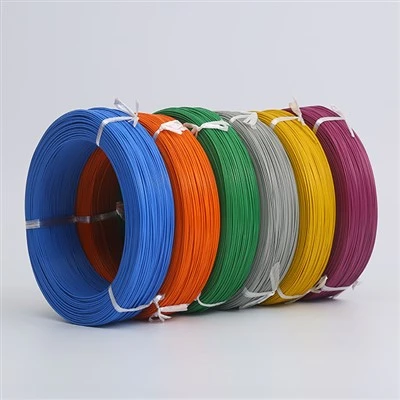
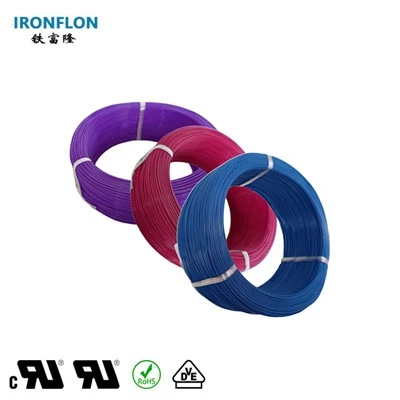
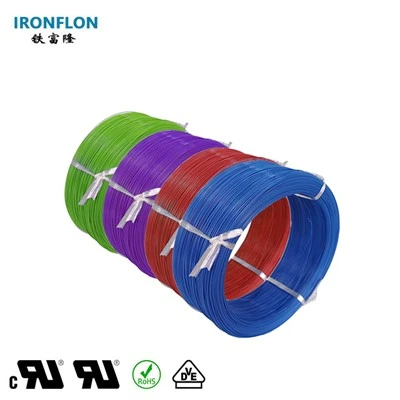
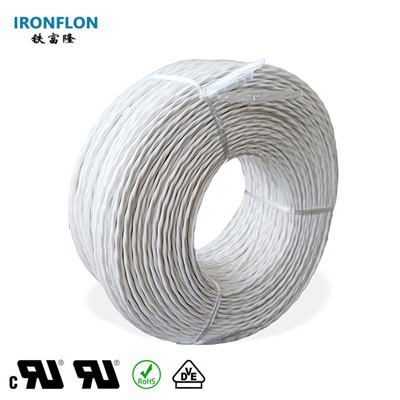
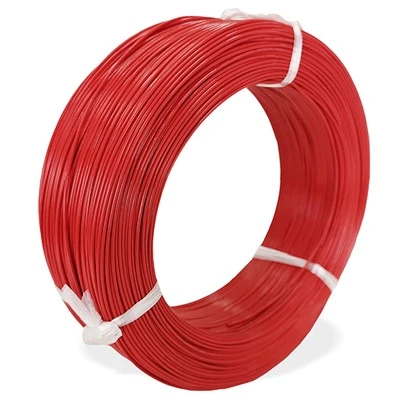
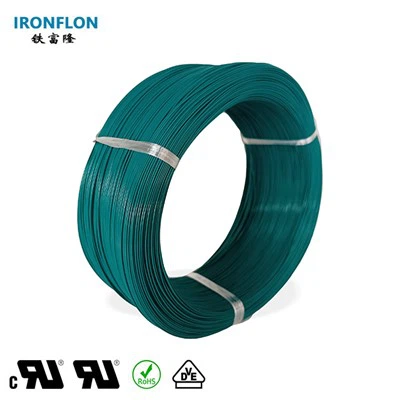
FEP (Fluorinated Ethylene Propylene) insulated wire is a type of electrical cable that uses FEP as the material for its insulation. FEP is a fluoropolymer similar to PTFE (Polytetrafluoroethylene), but it has a unique characteristic of being highly flexible even at very low temperatures.





Benefits of FEP Insulated Wire
The use of insulated wire offers several benefits in terms of electrical safety. Some of the key advantages include:
Prevention of Electrical Hazards: Insulated wire helps prevent electrical hazards, such as short circuits and electrical fires, by containing the flow of electricity within the conductor.
Protection Against Moisture and Corrosion: The insulation on the wire provides a barrier against moisture and corrosion, which can compromise the integrity of the conductor and lead to malfunctions.
Enhanced Durability: Insulated wire is more durable and long-lasting compared to uninsulated wire, as it is less prone to damage from external factors.
High flexibility: One of the primary reasons why many of the manufacturers, as well as consumers, prefer the PVC insulated wires is due to its versatility. They are recyclable and simple to modify its shape with plasticizers, lubricants and similar. They are extremely durable and have high longevity. Several manufacturers are confident of its everlasting strength and consider it indestructible.
Extreme durability: The PVC insulated wires like the other copper wire types are sturdy and robustly built and yet very supple. The wire is highly corrosion-resistant, rustproof, and offers dimensional precision. Though lightweight and portable, this type of wire is ductile and resists abrasion.
Very safe to use: Another reason for its wide usage is its shock absorbing capabilities. It is resistant to water, moisture, flames, heat and highly dependable type of wire. The product is tested several times for safety and quality by qualified technical personnel before it is released into the market. The wire is used in almost all types of kitchen gadgets and appliances. It is safe for medicinal and food product use as it is odorless and nontoxic. Thus, the PVC insulated wires are nowadays being preferred by consumers and the manufacturing units in different industries.
Customizable: The wire is flexible and can be molded into any shape and in case you are in need of the product in bulk quantities you can get it customized into any shape and size that you think may suit your business. It becomes more cost-effective if the order is in large quantity. They are easy to use and are applied on a vast scale in household goods. The PVC insulated wires is used in the manufacturing of commercial products including panel boards, electric motors, control cables, power transformers.
Types Of Fep Insulated Wire

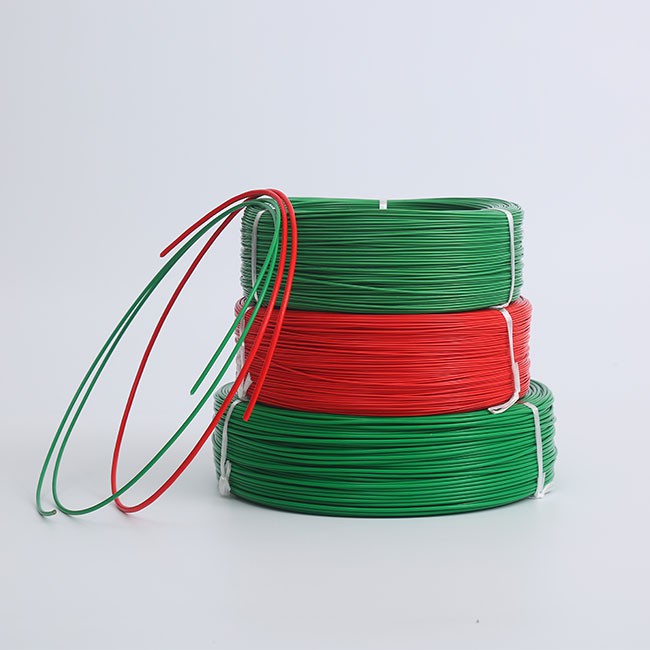


Polyvinyl Chloride (PVC): PVC is a popular insulation material due to its durability and affordability. It is a flexible material that can be used in a variety of applications, including power and signal wiring. For instance, our Belden fire alarm cables are made with fire-resistant, low-smoke PVC insulation with a rip cord to facilitate stripping. PVC is also resistant to oils, acids, and alkalis.
Polyethylene (PE): PE is a thermoplastic material that is often used for low-voltage wiring. It is a lightweight material that is resistant to water, oils, and acids. It is also very flexible and can be used in a variety of applications.
Polyurethane (PU or PUR): PU is a flexible material that is often used for insulated power and signal wiring. It is resistant to oils, acids, and alkalis, and is also resistant to abrasion and impacts. However, polyurethane is not widely used because it has poor electrical properties and is flammable.
Polypropylene (PP): PP is a thermoplastic material that is often used for power and signal wiring. It is resistant to oils, acids, and alkalis, and is also resistant to abrasion and impacts.
Fluoropolymer (FP): FP is a thermoplastic material that is often used for insulated power and signal wiring. It is resistant to oils, acids, and alkalis, and is also resistant to abrasion and impacts.
Polytetrafluoroethylene (PTFE): PTFE is a thermoplastic material that is often used for power and signal wiring. It is resistant to oils, acids, and alkalis, and is also resistant to abrasion and impacts.
Cross-linked Polyethylene (XLPE): XLPE is a thermoplastic material that is often used for power and signal wiring. It is resistant to oils, acids, and alkalis, and is also resistant to abrasion and impacts.
Ethylene Propylene Rubber (EPR): EPR is a rubber-like material that is often used for power and signal wiring. It is resistant to oils, acids, and alkalis, and is also resistant to abrasion and impacts.
Silicone Rubber: Silicone rubber is a rubber-like material that is often used for power and signal wiring. It is resistant to oils, acids, and alkalis, and is also resistant to abrasion and impacts. Silicone insulation is also very flexible, making it easy to use in tight spaces or applications with frequent bending. The main disadvantage of silicone insulation is that it is not as resistant to heat as some other types of insulation and can become brittle at extreme temperatures.
EPDM: EPDM, or ethylene propylene diene monomer, is widely used as an electrical insulator because it has a wide range of desirable properties. EPDM rubber is highly flexible, has decent abrasion resistance, and is resistant to ozone, heat, moisture, UV, alkali and acids, and even oxygenated solvents. Our welding cables are made using EPDM insulation.
Teflon: Teflon insulation is a great option for applications where temperature extremes are a factor. It is highly resistant to heat and can withstand temperatures up to 500°F. Teflon insulation is also very lightweight and flexible, making it easy to use in tight spaces or applications with frequent bending. The main disadvantage of Teflon insulation is that it can be expensive and is not as durable as some other types of insulation.
Fiberglass: Fiberglass insulation is a great option for many applications. It is highly durable and resistant to both moisture and abrasion. Fiberglass insulation is also very lightweight and flexible, making it easy to use in tight spaces or applications with frequent bending. The main disadvantage of fiberglass insulation is that it is not as resistant to heat as some other types of insulation and can become brittle at extreme temperatures.
Nylon: Nylon insulation is a popular choice for many applications. It is highly durable and resistant to both moisture and abrasion. Nylon insulation is also very lightweight and flexible, making it easy to use in tight spaces or applications with frequent bending. The main disadvantage of nylon insulation is that it can be expensive and is not as resistant to heat as some other types of insulation.
Outstanding thermal stability is attributed to its flexible silicone rubber insulation, which can tolerate extreme weather conditions and high temperatures. Because silicone cable is so versatile and long-lasting, it is the recommended option for many electrical applications.Silicone cable can be used in hot and humid conditions and is resistant to weather. Due to its adaptability, installation in confined locations and obstacle-free routing are made simple.Silicone cable is commonly utilised to ensure strong and durable electrical connections in the automobile, aerospace, and renewable energy industries.
Rubber cable has a long history of application in commercial and industrial settings due to its strength and flexibility. This kind of cable is appropriate for aggressive conditions because of its strong rubber insulation, which can withstand impact, abrasion, and mechanical stress. Durability is crucial, hence it is commonly used at construction sites, mining activities, and outdoor events.
Furthermore, rubber cable maintains its electrical properties even in the lowest temperatures, so it can transport energy with reliability in both hot and cold conditions.
Even at extremely High temperature cable, these cables deliver dependable performance because they are constructed of specialised insulating material. High voltage cables have the capability to securely transport large electrical currents across extended distances. They ensure consistent power transfer in infrastructure projects, industrial facilities, and utilities because they are constructed with specific insulation materials that can withstand high voltages and stop electrical leakage.
Applications Of Fep Insulated Wire Material
Electrical wiring in homes, offices, and factories: Wire insulation is used in the electrical wiring of buildings to safely distribute electricity to outlets, switches, and lighting fixtures.
Underground wiring: Insulated wires are used for buried electrical lines that connect buildings, ensuring safe and reliable power transmission.
HVAC systems and control wiring: Wire insulation is essential in heating, ventilation, and air conditioning systems, as well as control wiring for various building systems, enabling temperature control and system operation.
Wiring harnesses in vehicles: Insulated wires are used in automotive wiring harnesses to provide electrical connectivity for different vehicle systems, such as lighting, ignition, and entertainment.
Aerospace and aviation wiring: Insulated wires are used in aircraft and spacecraft for power distribution, communication, and control systems, meeting stringent safety and performance standards.
Marine and boating applications: Wire insulation is used in marine and boating applications to ensure safe electrical connections for navigation systems, lighting, and onboard equipment.
Consumer electronics: Insulated wires are integral to devices like computers, TVs, smartphones, and home appliances, allowing for safe and efficient electrical connections.
Appliances: Wire insulation is crucial in household appliances, including refrigerators, washing machines, ovens, and microwaves, ensuring proper functioning and safety.
Industrial electronics and automation: Insulated wires play a vital role in industrial equipment and automation systems for power transmission, control signals, and data communication.
Correctly choosing the insulated wire that suits your needs can improve the service life and efficiency of the wire while ensuring the safety of the circuit. When choosing insulated wires, you can consider the following aspects:
Voltage level
Choose the corresponding insulated wire according to the voltage level you use.
Ambient temperature
Different insulation materials have different temperature resistance properties, and it is necessary to select the appropriate insulated wire according to the ambient temperature.
Mechanical strength requirements
Choose the appropriate insulated wire according to your mechanical strength requirements.

Our Factory
With strong belief in honesty and credit, we have built strong business relationships with many companies all over the world. We commit ourselves to providing our customers with superior quality, excellent service and competitive prices. We sincerely welcome customers at home and abroad to cooperate with us on the basis of mutual benefit. We will add value to anyone who will be our customer.

FAQ
Zhejiang IRONFLON Wire & Cable Co., Ltd. is well-known as one of the leading fep insulated wire manufacturers and suppliers in China. If you're going to buy high quality fep insulated wire made in China, welcome to get free sample from our factory. Also, customized service is available.
high quality copper wire, heating wire, high temperature wiring