


Custom PFA Insulated Wire For Wholesale — IRONFLON
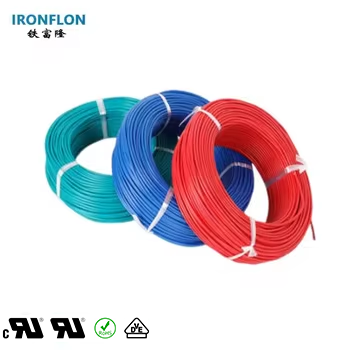
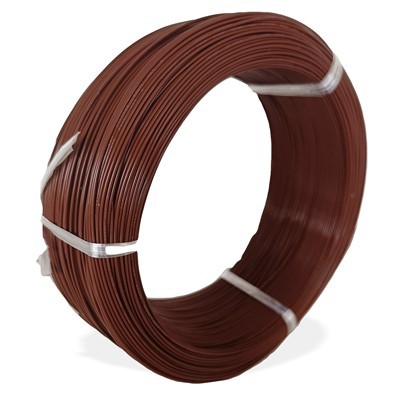
Zhejiang IRONFLON Wire&Cable Co., Ltd. is a source manufacturing enterprise specializing in high-temperature fluoroplastic (PTFE/XLPE/PFA/FEP) insulated wires and cables. We have 8 independent production lines with a monthly production capacity of up to 7500 kilometers, and have passed the ISO 9001, IATF 16949:2016 quality system and UL (E252458), RoHS authoritative certifications, supporting comprehensive and deep customization of specifications, conductors, colors, and lengths. By relying on factory price direct sales for bulk delivery guarantee and one-on-one exclusive service of "sales+technical engineers", we provide highly reliable cable solutions for high-temperature electrical applications of global customers.





Factors Affecting PFA Wire Insulation Selection
Temperature rating: The temperature at which the wire will operate is crucial. Different insulation materials have varying temperature limits. It is essential to select insulation that can withstand the anticipated temperature range without degradation or loss of electrical properties.
Voltage rating: The voltage level that the wire will be subjected to is another critical factor. Insulation must have a voltage rating suitable for the specific application to prevent electrical breakdown or arcing.
Environmental conditions: The environment in which the wire will be installed plays a significant role in insulation selection. Factors such as moisture, humidity, chemicals, UV exposure, and outdoor or indoor conditions can impact the performance and longevity of the insulation. Insulation should be chosen to resist the specific environmental factors present.
Chemical resistance: If the wire will come into contact with chemicals or solvents, it is important to select an insulation material that can withstand them without degradation or loss of electrical properties.
Mechanical protection requirements: The level of mechanical protection needed for the wire is another consideration. Some applications may require insulation with enhanced resistance to abrasion, impact, or flexibility to withstand mechanical stresses.
Electrical performance requirements: The electrical properties required for the wire, such as insulation resistance, dielectric strength, and capacitance, should be considered based on the specific application’s electrical needs.
Compliance with industry standards: Various industry standards and codes may dictate specific insulation requirements for certain applications. Compliance with these standards ensures safety, reliability, and regulatory compliance.
Purposes And Benefits Of PFA Wire Insulation
Electrical insulation
One of the primary purposes of wire insulation is to provide electrical insulation. It prevents the flow of electric current to unintended areas or objects, ensuring that the current follows the intended path. This insulation helps prevent short circuits, electrical leakage, and potential damage to equipment or injury to individuals.
Mechanical protection
Wire insulation provides mechanical protection to the conductors. It acts as a barrier against physical damage from external factors such as impact, abrasion, vibration, or bending. Insulation helps maintain the integrity of the conductors, preventing wire breakage or damage due to external forces.
Environmental protection
Wire insulation protects the conductors from the surrounding environment. It offers resistance to moisture, humidity, chemicals, and other potentially harmful substances. Insulation helps prevent corrosion, degradation, or loss of electrical properties caused by exposure to these environmental factors.
Fire resistance and safety
Fire resistance is a critical benefit of wire insulation. Many insulation materials are designed to be flame-retardant, reducing the risk of fire propagation in case of a fault or electrical overload. Insulation helps minimize fire hazards and promotes safety in electrical systems.
Compliance with safety regulations
Properly selected and installed wire insulation ensures compliance with safety regulations and electrical codes. Adhering to these standards promotes safety, reduces the risk of electrical hazards, and ensures the longevity and reliability of electrical systems.
Insulation-specific properties
Different types of insulation offer additional benefits based on their specific properties. For example, some insulation materials may have high temperature resistance, chemical resistance, or excellent dielectric strength. These specific properties allow insulation to perform optimally in specialized applications and environments.
PVC (Polyvinyl Chloride)
PVC insulation is a versatile and cost-effective option. It is flexible, easy to work with, and resistant to moisture, abrasion, and chemicals. PVC has good electrical insulation properties and offers moderate temperature resistance.
PVC-insulated wires are widely used in household electrical wiring, appliances, power cords, and low-voltage applications. They are commonly found in residential, commercial, and industrial settings.
XLPE (Cross-Linked Polyethylene)
XLPE insulation is known for its excellent thermal and mechanical properties. It has high temperature resistance, good chemical resistance, and enhanced resistance to abrasion and impact. XLPE insulation also exhibits low dielectric loss.
XLPE-insulated wires are commonly used in power distribution, underground cables, industrial wiring, and building infrastructure. They are suitable for both indoor and outdoor applications, including residential, commercial, and industrial settings.
Teflon (Polytetrafluoroethylene or PTFE)
Teflon insulation is highly regarded for its exceptional thermal stability, chemical resistance, and low friction properties. It has excellent dielectric strength and can withstand extreme temperatures.
Teflon-insulated wires are widely used in high-performance applications, such as aerospace, automotive, telecommunications, and industrial equipment. They are suitable for environments with high temperatures, harsh chemicals, and demanding operating conditions.
Rubber
Rubber insulation offers flexibility, durability, and resistance to impact. It has good electrical insulation properties and can withstand a wide range of temperatures. Rubber insulation provides excellent resistance to oils, solvents, and environmental factors.
Rubber-insulated wires are commonly used in portable tools, machinery, outdoor wiring, and applications requiring flexibility and resistance to harsh conditions. They are often found in construction sites, industrial facilities, and outdoor electrical installations.
Nylon (Polyamide)
Nylon insulation is known for its exceptional strength, toughness, and resistance to abrasion. It has good electrical properties and can withstand moderate temperatures. Nylon insulation provides excellent resistance to oils, chemicals, and UV radiation.
Nylon-insulated wires are commonly used in automotive wiring, control systems, robotics, and industrial equipment. They are suitable for applications that require durability, mechanical protection, and resistance to oils and chemicals.
Safety Procedures To Follow During PFA Insulated Wire Installation


Make Sure the Power is Off
Check the breaker or power source and make sure the power is always off before starting any electrical work. Lock the breaker if possible or if cannot, make sure everyone in the area knows it is turned off for a reason and leave an easily noticeable note that you are working on the electricity. It’s logical but critical for a safe work environment.
Wear Safety Glasses and Protective Clothing
Covering your eyes is a must when dealing with electricity. You do not want sparks or other debris to get in your eyes. Also, wearing long shirts, pants, gloves, and thick soled shoes are also a good idea. If the environment is outdoor or large scale, working on a project like laying pipeline with tracer wire, a hard hat may also be needed along with other construction environment safety gear.
Always Test First
Use a voltage tester to test the wires and connections before you begin working on them to make sure they are indeed dead. This will allow you to accurately judge the work that needs to be done and select the product and tools you need to use.
Have the Right Tools On Hand
As with any job, you need the correct tools to complete it properly and do it with safety in mind. Having the right tools for a wire installation is detrimental. Some tools include: a voltage tester, wire cutters, wire and cable strippers, needle nose pliers, continuity tester, and others. For large scale jobs such as installing ground cables, you may need a wire trencher or other digging equipment or heavy machinery.
Check Your Work
Before you close up the hole or call the job “done,” check your work! The last thing you want is there to be a loose connection and the whole project to go up in flames – literally. Electrical fires are known to spark at any time and cause considerable damage and tragedy. Pull on the connections to make sure they are secure. Turn on the electricity and make sure everything works correctly and starts up without incident. Also, check the casings with a voltage tester to make sure they are not electrified. Use the right insulators for longer life spans too.
Select an ideal storage area: An ideal storage environment should be free from moisture and humidity to minimize corrosion and mold growth, be dust- and debris-free, and have cool conditions to reduce heat damage to cables.
Avoid direct sunlight: PFA Insulated Wire must be stored out of direct sunlight as UV radiation exposure can damage their insulation and compromise their performance over time.
Wind Your Cables Correctly: Proper coiling of cables is crucial to prevent tangling and damage to them. Starting at one end of the cable, use cable ties or Velcro straps to coil them loosely before tightening with cable ties – too tightening can damage cables!
Label the cables: To easily PFA Insulated Wire when needed, labelling is key for quick identification. Utilize tags or labels with information regarding type, length and any relevant details about them.
Utilize cable racks or reels: PFA Insulated Wire racks or reels can be an invaluable way to organize and store industrial cables safely off of the floor and away from potential hazards.
Tips on Maintaining PFA Insulated Wire
Regular Inspections
Regular Inspections It is critical that PFA Insulated Wire be regularly inspected to detect signs of damage or wear and tear, conducted by a qualified technician and including visual inspections as well as tests for continuity, insulation resistance and voltage.
Cleanliness
Cleanliness Dust, debris and corrosion damage can accumulate on industrial cables and wires over time, leading to insulation breakdown and corrosion. Regular cleaning with soft cloth or brush cleaning agents is recommended as this will protect the insulation. Abrasive cleaners could do further damage.
Protection
PFA Insulated Wire can be exposed to harsh environmental conditions that can damage them. Protecting them against mechanical damage, moisture build-up and extreme temperatures is crucial in order to avoid premature failure and prolong their lives. Flexible conduit fittings or industrial cable glands may provide extra protection that extends their lives further.
Correct Installation
Correct installation is vital to protecting PFA Insulated Wire and wires against damage and prolonging their longevity. Cables should be installed according to manufacturer recommendations and industry standards for optimal results, while improper setup could put strain on them or lead to insulation breakdown and failure, possibly even leading to fatal consequences.
Repairs and Replacements
PFA Insulated Wire that have become damaged should be quickly repaired or replaced before equipment failure and safety risks ensue. Repairs must be conducted by qualified technicians for optimal safety and performance of equipment.
Our Factory
With strong belief in honesty and credit, we have built strong business relationships with many companies all over the world. We commit ourselves to providing our customers with superior quality, excellent service and competitive prices. We sincerely welcome customers at home and abroad to cooperate with us on the basis of mutual benefit. We will add value to anyone who will be our customer.

FAQ
Zhejiang IRONFLON Wire & Cable Co., Ltd. is well-known as one of the leading pfa insulated wire manufacturers and suppliers in China. If you're going to buy high quality pfa insulated wire made in China, welcome to get free sample from our factory. Also, customized service is available.
Heat Rated Wire, UL10362 high temperature wire, ul10362