


Custom PTFE Insulated Wire For Wholesale — IRONFLON
Zhejiang IRONFLON Wire&Cable Co., Ltd. is a source manufacturing enterprise specializing in high-temperature fluoroplastic (PTFE/XLPE/PFA/FEP) insulated wires and cables. We have 8 independent production lines with a monthly production capacity of up to 7500 kilometers, and have passed the ISO 9001, IATF 16949:2016 quality system and UL (E252458), RoHS authoritative certifications, supporting comprehensive and deep customization of specifications, conductors, colors, and lengths. By relying on factory price direct sales for bulk delivery guarantee and one-on-one exclusive service of "sales+technical engineers", we provide highly reliable cable solutions for high-temperature electrical applications of global customers.
Get A Free Quote For Your Exclusive Custom Wire

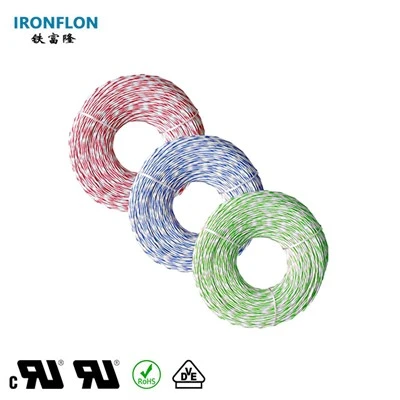


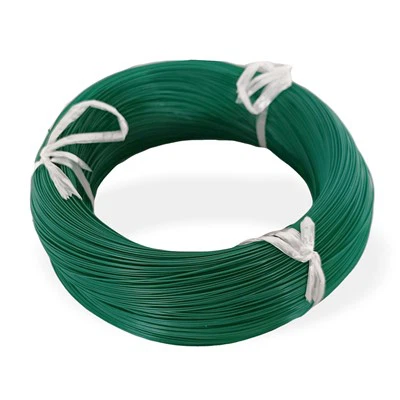


PTFE Insulated Wires Market Size, Growth And Forecast From
PTFE (polytetrafluoroethylene) insulated wires are electrical wires coated with a layer of PTFE material, which is a high-performance synthetic fluoropolymer known for its excellent heat resistance, chemical resistance, and electrical insulation properties. These wires find extensive application in various industries such as aerospace, automotive, electronics, and telecommunications due to their ability to withstand high temperatures, chemical exposure, and provide reliable electrical performance.
The future outlook of the PTFE insulated wires market is promising, with the market expected to grow at a compound annual growth rate (CAGR) of % during the forecasted period. This growth can be attributed to several factors. Firstly, the increasing demand for high-performance wires in industries such as automotive and aerospace, where the wires need to operate in extreme conditions, is driving the market growth. Additionally, the growing utilization of electric vehicles and the need for reliable wiring solutions in electronic devices further contribute to the market expansion.
Furthermore, the development of advanced technology and the increasing focus on research and development activities to improve the performance of PTFE insulated wires are expected to create lucrative opportunities for market players. The rising investments in infrastructure projects, particularly in emerging economies, also drive the demand for high-quality wiring solutions, subsequently boosting the market growth.
However, certain challenges may also arise in the market. The high cost associated with PTFE insulated wires compared to traditional wire options can limit their adoption, especially in cost-sensitive industries. Moreover, the availability of alternative materials with similar properties, such as FEP (fluorinated ethylene propylene) and ETFE (ethylene tetrafluoroethylene), could pose competition to the PTFE insulated wires market.

PTFE-coated wires and cables can get designed according to our required performance and provide reliability. These wires work effectively under extreme conditions like high temperatures and adverse environments.
PTFE-insulated wires cannot get cross-linked and are not subject to memory or creeping. It ensures bending, flexing, or stressing these wires does not move or deform the PTFE coating.
PTFE-insulated wires provide extremely reliable dielectric properties. It makes miniature PTFE insulated wires preferable for PCB applications and an alternative to polyethylene because of temperature resistance, being more effective, and high performance.
These wires are resistant to UV radiation, stress and mold, and chemicals resistant.
We can use silver-plated conductors or conductors of our choice with PTFE-insulated cables.
PTFE-insulated wires have a low dissipation factor. And they can operate under high operating temperatures.
We can use PTFE-insulated wires for a wide range of frequencies.
Application And Advantage Of PTFE Insulated Wires And Cables
PTFE-insulated wires and cables fulfill the requirement of medical devices, i.e., a smooth coating that is thin, precise, chemically inert, and capable of withstanding a wide variety of conditions. The non-flaking finish of these cables makes the insulation finish quality paramount for aesthetics and regulatory specifications.
The automotive industry demands wires capable of performing in corrosive chemicals, extreme temperatures, and friction. Their wiring application list includes air conditioning systems, navigation, power steering, battery applications, heated seats, and many more. The microminiature PTFE-coated automotive wires support automotive manufacturers and meet their exact performance specifications, irrespective of space constraints.
The oil and gas industry faces the challenge of protecting its significant instrumentation from temperature extremes, corrosive chemicals, and pressure. PTFE-coated wires address the oil and gas industries' complex wiring needs for drilling operations and instrumentation, even in extreme conditions. PTFE wires provide the industry's need for electrical, temperature, and corrosion resistance wires and offer essential protection against the gas diffusion, pressure, and corrosion typically encountered in downhole drilling.
The ability of PTFE to insulate to 500 volts per mil with unyielding reliability in even the most strenuous applications makes PTFE wires and cables frequently used in electrical components. The application of these wires and cables ranges from mobile devices to advanced and high-tech machinery.
PTFE wires get used as a separator on the conductive surfaces in capacitors and in a limitless range of electrical applications where components get expected to withstand the elements. The demand for cost-effective PTFE-coated wires and cables is rising as modern electronic manufacturers are continuously creating smaller and more portable advanced electronics.
The other industrial application of PTFE insulated wires includes retail, computers, veterinary medicine, the food industry, communications, the art community, robotics, marine sciences, space exploration, bioengineering, chemical sciences, and many more.
Advantages Of PTFE Insulated Wires And Cables
High temperature resistance
PTFE insulation wire cable can withstand high temperatures without melting or degrading. It can handle temperatures up to 260°C, making it an ideal choice for high-heat applications.
Chemical resistance
PTFE insulation wire cable has excellent chemical resistance. It can resist damage from most chemicals and solvents, making it an ideal choice for chemical and pharmaceutical industries.
Good electrical insulation properties
PTFE insulation wire cable has good electrical insulation properties, making it an ideal choice for electrical applications. It can withstand high voltages and provides excellent insulation properties.
Low friction co-efficient
PTFE insulation wire cable has a low friction co-efficient, making it ideal for applications where reducing friction is important.
Flexibility
PTFE insulation wire cable is highly flexible, making it easy to install and maintain. It can be easily bent or twisted without damaging the insulation.
Long-term durability
PTFE insulation wire cable is highly durable and can last for many years without degrading or breaking down. It is resistant to UV rays and does not degrade in harsh weather conditions.
PTFE coated wire possesses several remarkable properties that make it highly suitable for demanding applications:
High Temperature Resistance: PTFE can withstand extreme temperatures ranging from -60°C to +260°C without losing its mechanical or electrical properties. This feature makes PTFE wire ideal for applications in harsh environments.
Excellent Chemical Resistance: PTFE coated wire is resistant to most chemicals, acids, and solvents. It can withstand exposure to corrosive substances that would easily damage other types of wires.
Low Friction Coefficient: PTFE has a very low friction coefficient, ensuring smooth and easy installation in various industrial applications.
Superior Electrical Insulation: PTFE is an excellent insulating material, providing reliable electrical insulation even in high-voltage applications.

Determining PTFE Insulated Wire Gauge: Step-by-Step Guide
Step 1: Calculate Maximum Current
Identify the maximum current your wire will carry. Consult device manuals or online resources for current values related to the devices you're connecting.
Step 2: Determine Allowable Voltage Drop
Define the allowable voltage drop based on your application. Critical systems might have stricter requirements. Common values are 3% for critical systems and 5% for general use.
Step 3: Measure Wire Length
Measure the distance between the power source and the load. Longer distances result in higher resistance and potential voltage drop issues.
Step 4: Calculate Maximum Allowable Resistance
Apply Ohm's Law: divide the allowable voltage drop by the maximum current. This gives you the maximum allowable resistance for your setup.
Step 5: Find Wire Resistance
Consult a wire resistance table to determine the wire's resistance per unit length. Make sure to consider the material of the wire.
Step 6: Determine Required Wire Gauge
Divide the maximum allowable resistance by the wire's resistance per unit length. Refer to a wire gauge chart to find the appropriate wire gauge for your calculated value.
Step 7: Add a Safety Margin
Choose a slightly larger wire gauge than your calculated value to account for potential variations in current loads and ensure safety against voltage drop and overheating.
Step 8: Check Local Regulations
Always verify local electrical codes and regulations, as they may prescribe specific wire gauges for different applications.
What Are the Most Popular PTFE Insulated Wire Sizes?
14 AWG
This size is commonly used for general household wiring, such as lighting circuits and outlets. It's also suitable for low-power appliances and devices.
12 AWG
Slightly thicker than 14 AWG, it's often used for heavier household appliances like kitchen appliances, heaters, and air conditioners.
10 AWG
This size is found in circuits that carry higher currents, like power tools and larger appliances. It's also used for wiring high-power lighting systems.
8 AWG
Used for circuits with even higher current demands, such as electric water heaters, electric vehicle charging stations, and larger industrial equipment.
6 AWG and 4 AWG
These sizes are employed for heavier industrial applications, such as heavy machinery, large motor connections, and power distribution in factories.
2 AWG and 1 AWG
These larger sizes find use in heavy-duty industrial settings, connecting large motors, generators, and industrial equipment that require substantial power transmission.

Wire Gauge: Choose the appropriate wire gauge based on your specific application’s current-carrying capacity and voltage requirements. A thicker wire can handle higher current loads, but it may be less flexible and more challenging to work with.
Conductor Material: PTFE Insulated Wires can use various conductor materials, such as copper, silver-plated copper, or nickel-plated copper. The choice of conductor material will depend on factors like cost, conductivity, and the operating environment.
Wire Type: Depending on your application, you may require single-conductor or multi-conductor PTFE Insulated Wire. Multi-conductor wires can simplify wiring in applications with multiple circuits or connections.
Temperature Rating: Ensure that the temperature rating of the PTFE Insulated Wire matches the temperature range of your application to prevent potential damage or malfunction.
Standards and Certifications: Check if the PTFE Insulated Wire meets the required industry standards or certifications for your specific application, such as UL, CSA, or MIL-spec.
Cost: PTFE Insulated Wire is generally more expensive than other types of insulated wire due to its unique properties and manufacturing process. It may not be cost-effective for applications where the advantages of Teflon are not required.
Termination: PTFE Insulated Wire can be challenging to strip and terminate due to its toughness and resistance to heat. Specialized tools and techniques may be necessary for successful termination and connection.
Environmental Impact: The production of Teflon can generate harmful byproducts, such as perfluorooctanoic acid (PFOA), which has raised concerns about its environmental impact. Some manufacturers have adopted alternative PTFE production methods to reduce the release of such substances.

Our Factory
With strong belief in honesty and credit, we have built strong business relationships with many companies all over the world. We commit ourselves to providing our customers with superior quality, excellent service and competitive prices. We sincerely welcome customers at home and abroad to cooperate with us on the basis of mutual benefit. We will add value to anyone who will be our customer.

FAQ
Zhejiang IRONFLON Wire & Cable Co., Ltd. is well-known as one of the leading ptfe insulated wire manufacturers and suppliers in China. If you're going to buy high quality ptfe insulated wire made in China, welcome to get free sample from our factory. Also, customized service is available.
Stranded tinned copper wire, Copper wires, silver plated cable