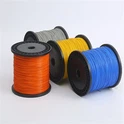
Yo, folks! I'm a supplier of UL10584 single core copper wire, and I often get asked if this wire can be used in elevator systems. So, I thought I'd write this blog to share my thoughts and insights on this topic.
First off, let's talk a bit about what UL10584 single core copper wire is. This wire is designed to meet certain safety and performance standards set by Underwriters Laboratories (UL). It's made of high - quality copper, which is known for its excellent electrical conductivity. Copper is a great choice because it allows for efficient transmission of electricity with minimal loss.


Now, when it comes to elevator systems, there are a bunch of factors to consider before deciding if UL10584 single core copper wire is a good fit.
Electrical Requirements
Elevators rely on a stable and reliable power supply to operate safely. They need to handle different types of electrical loads, from the motor that moves the elevator car up and down to the control systems that manage its functions. The UL10584 single core copper wire has a specific current - carrying capacity. You gotta make sure that this capacity can meet the electrical demands of the elevator system.
For example, if the elevator has a high - powered motor, it will draw a large amount of current. In such cases, the wire needs to be able to handle that current without overheating. Overheating can not only damage the wire but also pose a serious safety hazard. The wire's insulation also plays a crucial role. It should be able to withstand the voltage levels present in the elevator system. If the insulation breaks down, it can lead to short circuits, which can be extremely dangerous.
Environmental Conditions
Elevator shafts can be a harsh environment. There can be temperature variations, humidity, and even mechanical vibrations. The UL10584 single core copper wire needs to be able to withstand these conditions.
Temperature changes can affect the wire's performance. If it gets too hot, the wire's resistance may increase, which can lead to power losses. On the other hand, extremely cold temperatures can make the insulation brittle, increasing the risk of cracks. Humidity can cause corrosion of the copper wire over time. This is why the wire should have proper insulation and protective coatings to prevent moisture from getting in.
Mechanical vibrations are also a concern. Elevators are constantly moving up and down, and this can cause the wires to vibrate. The wire needs to be flexible enough to withstand these vibrations without breaking or getting damaged. A single core multi strand flexible copper cable might be a better option in some cases, as the multiple strands can provide more flexibility and durability.
Safety and Compliance
Safety is the number one priority in elevator systems. The UL10584 single core copper wire is UL - listed, which means it has passed certain safety tests. However, elevator systems also need to comply with local building codes and regulations.
These codes often specify the type of wiring that can be used in elevators. You need to make sure that using UL10584 single core copper wire in an elevator system meets all these requirements. Sometimes, additional safety features like fire - resistant insulation may be required. In such cases, you might need to look into high voltage flexible cable that has the necessary fire - resistant properties.
Installation and Maintenance
Proper installation of the wire is crucial. In an elevator system, the wires need to be installed in a way that they are protected from damage. They should be routed carefully to avoid sharp edges or areas where they can be pinched.
Maintenance is also important. Regular inspections should be carried out to check for any signs of wear and tear. If there are any issues with the wire, they need to be addressed immediately. The UL10584 single core copper wire is relatively easy to work with during installation, but it still requires skilled technicians to ensure that it's installed correctly.
Advantages of Using UL10584 Single Core Copper Wire in Elevator Systems
There are some advantages to using UL10584 single core copper wire in elevator systems. As mentioned earlier, copper has excellent electrical conductivity, which means less power loss during transmission. This can lead to energy savings over time.
The UL listing also provides a level of assurance that the wire meets certain safety standards. It can simplify the compliance process when it comes to building codes and regulations. And since it's a single - core wire, it can be easier to install in some cases compared to multi - core cables.
Disadvantages and Considerations
However, there are also some potential drawbacks. The single - core design may not be as flexible as multi - strand cables in some situations. If the elevator system has a lot of tight bends or requires a high degree of flexibility, a single core multi strand flexible copper cable might be a better choice.
The cost is another factor. Copper is a valuable metal, and the price of copper can fluctuate. This can affect the overall cost of using UL10584 single core copper wire in an elevator system. You need to weigh the cost against the benefits and make an informed decision.
In conclusion, UL10584 single core copper wire can potentially be used in elevator systems, but it depends on a variety of factors. You need to carefully evaluate the electrical requirements, environmental conditions, safety and compliance needs, and installation and maintenance aspects.
If you're in the market for high - quality UL10584 single core copper wire for your elevator system or any other application, I'm here to help. I can provide you with more information about the wire's specifications and how it can meet your specific needs. Feel free to reach out to me for a detailed discussion and to start the procurement process. You can find more about our UL10584 single core wire on our website.
References
- Electrical Installation Standards for Elevators, Local Building Code Authorities
- Underwriters Laboratories (UL) Standards for UL10584 Single Core Copper Wire