In the realm of audio technology, the choice of wiring is a critical factor that can significantly impact the quality of sound reproduction. One option that often comes under consideration is multi core copper wire. As a supplier of multi core copper wire, I am well versed in its properties and potential applications in the audio field.
Properties of Multi Core Wire
Multi core wire consists of multiple individual copper conductors bundled together within a single outer sheath. Copper is an excellent conductor of electricity, known for its low electrical resistance. This low resistance allows for efficient transfer of electrical signals with minimal loss. The multi core design provides several advantages. Firstly, it offers increased flexibility compared to single core wires. This flexibility makes it easier to install in tight spaces and around corners, which is particularly useful in audio setups where cables may need to be routed through complex environments.
Secondly, multi core wire can handle higher electrical loads. In audio systems, power is required to drive speakers and other components. The multiple cores can distribute the current more evenly, reducing the risk of overheating and ensuring stable performance. For example, in a high end home theater system, where multiple speakers are connected to an amplifier, a multi core wire can effectively carry the necessary power to each speaker without significant voltage drops.
Advantages in Audio Applications
One of the primary advantages of using multi core wire in audio applications is its ability to reduce electromagnetic interference (EMI). In an audio system, EMI can cause unwanted noise and distortion in the sound signal. The multiple cores in a multi core wire can act as a shield against external electromagnetic fields. When the cores are properly arranged and insulated, they can cancel out the effects of EMI, resulting in a cleaner and more accurate audio signal.
For instance, in a professional recording studio, where the highest quality of sound is required, multi core wire can be used to connect microphones, audio interfaces, and other equipment. The reduced EMI ensures that the recorded audio is free from background noise and interference, allowing for a more pristine final product.
Another benefit is the improved signal integrity. Audio signals are complex waveforms that need to be transmitted accurately from one component to another. The low resistance of copper and the multi core design help to preserve the shape and amplitude of the audio signal. This means that the sound reproduced at the output is a more faithful representation of the original sound source. In a live concert sound system, for example, multi core wire can be used to connect the mixing console to the stage monitors and main speakers. The accurate signal transmission ensures that the musicians hear the correct sound on stage and that the audience experiences a high quality audio performance.
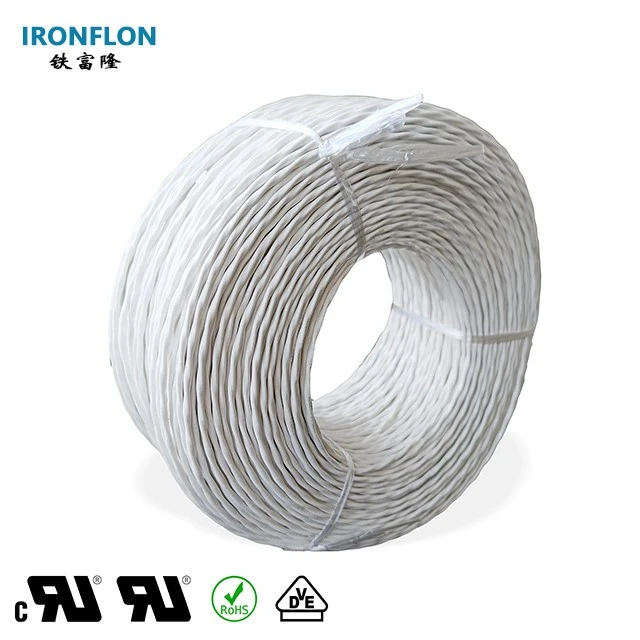
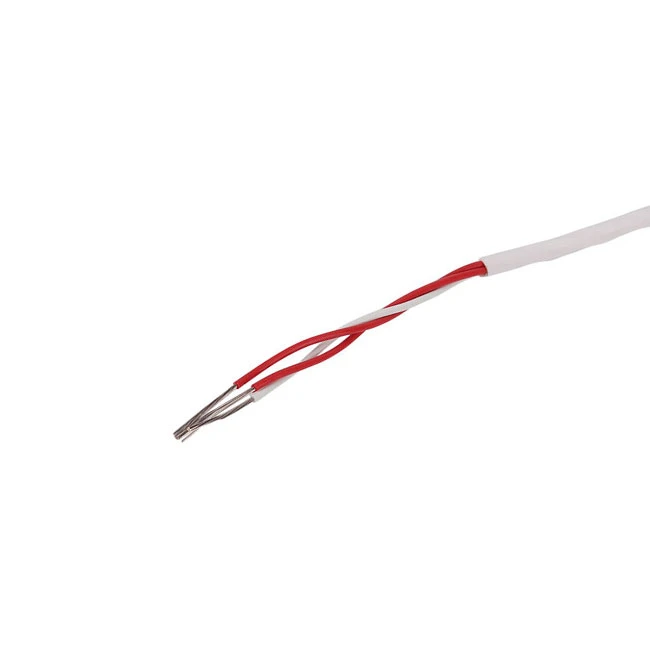
Types of Multi Core Copper Wire for Audio
There are several types of multi core copper wire that are suitable for audio applications.
- multi core electrical cable: This type of cable is designed for general electrical applications but can also be used in audio systems. It has multiple cores that can be used to carry different audio channels or to provide power to audio components.
- Multi core shielded cable: As the name suggests, this cable has an additional shielding layer that provides enhanced protection against EMI. It is ideal for use in environments where there is a high level of electromagnetic interference, such as in industrial settings or near power lines.
- Silicone Stranded Wire: This wire is made of multiple fine copper strands coated with silicone insulation. It is highly flexible and heat resistant, making it suitable for use in applications where the cable needs to be bent or moved frequently, such as in portable audio equipment.
- Multi Core Power Cable: This cable is designed to carry high power electrical signals to audio amplifiers and other power hungry components. It has multiple cores that can handle the large current requirements of these devices.
- Multi core control cable: This cable is used to transmit control signals between different audio components, such as between a mixer and a lighting console. It ensures accurate and reliable communication between the devices.
Considerations When Using Multi Core Copper Wire in Audio
While multi core copper wire offers many advantages for audio applications, there are also some considerations to keep in mind.
- Cable Length: The length of the cable can affect the audio signal. Longer cables have higher resistance, which can cause signal attenuation and a decrease in audio quality. It is important to choose the appropriate cable length for your audio setup and to ensure that the cable is not too long for the application.
- Gauge of the Wire: The gauge of the wire refers to its thickness. Thicker wires have lower resistance and can carry more current. In audio applications, the gauge of the wire should be selected based on the power requirements of the components and the length of the cable. For example, a high power amplifier may require a thicker gauge wire to ensure efficient power transfer.
- Termination: Proper termination of the multi core copper wire is crucial for maintaining good audio quality. The connectors used should be of high quality and should be installed correctly to ensure a secure and reliable connection. Poorly terminated cables can cause signal loss, noise, and other problems.
Conclusion and Call to Action
In conclusion, multi core copper wire can be an excellent choice for audio applications. Its low resistance, flexibility, ability to handle high loads, and resistance to EMI make it well suited for a wide range of audio setups, from home theaters to professional recording studios. As a supplier of multi core copper wire, we offer a variety of high quality products that are designed to meet the specific needs of audio applications.
If you are in the market for multi core copper wire for your audio project, we invite you to contact us to discuss your requirements. Our team of experts can provide you with detailed information about our products, help you choose the right cable for your application, and offer competitive pricing. We are committed to providing the best possible solutions for your audio wiring needs.
References
- Horowitz, P., & Hill, W. (1989). The Art of Electronics. Cambridge University Press.
- Toole, F. E. (2008). Sound Reproduction: The Acoustics and Psychoacoustics of Loudspeakers and Rooms. Focal Press.