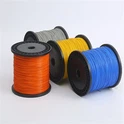
Hey there! I'm an insulated wire supplier, and today I wanna talk about the environmental impact of insulated wire. It's a topic that's been getting a lot more attention lately, and for good reason. As we become more aware of our impact on the planet, it's important to understand how the products we use and supply fit into the bigger picture.


Production Process and Environmental Impact
Let's start with the production of insulated wire. Making insulated wire involves several steps, and each one has its own environmental footprint. First off, you've got the extraction of raw materials. Metals like copper and aluminum are commonly used as conductors in insulated wire. Mining these metals can be pretty rough on the environment. It often leads to deforestation, soil erosion, and water pollution. The chemicals used in the extraction process can seep into nearby water sources, harming aquatic life and making the water unsafe for other uses.
Once the raw materials are extracted, they need to be refined. This process consumes a huge amount of energy, mainly from fossil fuels. Burning fossil fuels releases greenhouse gases like carbon dioxide, which contribute to global warming. And let's not forget about the waste generated during refining. There are often by - products that need to be disposed of properly, or else they can cause long - term environmental damage.
After the conductors are ready, it's time to add the insulation. Different types of insulation materials have different environmental impacts. For example, some traditional insulation materials like PVC (polyvinyl chloride) are not very eco - friendly. PVC production involves the use of chlorine, which can release toxic dioxins when burned or improperly disposed of. On the other hand, there are more environmentally friendly insulation options available, such as cross - linked polyethylene (XLPE) or fluoropolymers like FEP (fluorinated ethylene propylene).
Environmental Benefits of Insulated Wire
Now, it's not all bad news. Insulated wire also has some environmental benefits. One of the main advantages is energy efficiency. Good quality insulated wire can reduce energy losses during the transmission of electricity. When less energy is lost, power plants don't need to produce as much electricity to meet the same demand. This means less burning of fossil fuels and a lower carbon footprint.
Insulated wire also helps in preventing electrical fires. Electrical fires can be extremely destructive to the environment. They can burn large areas of forests, release huge amounts of smoke and pollutants into the air, and destroy habitats for wildlife. By using insulated wire, we can reduce the risk of these fires and protect our natural environment.
Types of Insulated Wire and Their Impact
Let's take a closer look at some specific types of insulated wire.
The UL3340 Insulated Wire uses EPDM (ethylene propylene diene monomer) as an insulation material. EPDM is a synthetic rubber that has some good environmental characteristics. It's resistant to heat, ozone, and weathering, which means it has a long lifespan. A longer lifespan means less frequent replacement, which in turn reduces the amount of waste generated from discarded wires. Also, EPDM is relatively non - toxic compared to some other insulation materials.
Then there's the UL1371 FEP Insulated Wire. FEP is a fluoropolymer known for its excellent electrical properties and chemical resistance. It has a very low coefficient of friction, which makes it ideal for applications where wires need to be flexible. From an environmental perspective, FEP is more stable and less likely to break down into harmful substances compared to some other plastics. It can also withstand high temperatures without releasing toxic fumes, which is a big plus in terms of safety and environmental protection.
End - of - Life Management
What happens when insulated wire reaches the end of its life? This is another important aspect of its environmental impact. Proper end - of - life management is crucial. Recycling is one of the best ways to deal with old insulated wire. Recycling can recover valuable metals like copper and aluminum, which can then be reused in the production of new wire. This reduces the need for further mining and the associated environmental damage.
However, recycling insulated wire is not always easy. The insulation needs to be separated from the conductor, which can be a complex and energy - intensive process. Some insulation materials are more difficult to recycle than others. For example, PVC - insulated wire can be a challenge to recycle because of the chlorine content and the need to separate the PVC from the metal.
Our Role as a Supplier
As an insulated wire supplier, we have a responsibility to minimize the environmental impact of the products we offer. We can do this by promoting the use of more environmentally friendly insulation materials. We can also educate our customers about the importance of proper end - of - life management of insulated wire.
We're constantly looking for ways to improve our products and processes. For example, we're exploring options to source raw materials from more sustainable mines and use more energy - efficient production methods. By working together with our customers, we can make a positive difference in the environment.
Encouraging Sustainable Choices
If you're in the market for insulated wire, I encourage you to consider the environmental impact of your choice. Look for wires with eco - friendly insulation materials. You can also ask your supplier about their sourcing and production practices. A little bit of research can go a long way in making a more sustainable choice.
And if you're interested in learning more about our insulated wire products or have any questions about the environmental impact, don't hesitate to reach out. We're here to help you make the best decision for your needs while also being kind to the planet. Whether you're a small business or a large industrial client, we can work with you to find the right insulated wire solution.
Let's work together to reduce our environmental footprint and create a more sustainable future. Contact us today to start the conversation about your insulated wire needs.
References
- "Environmental Impact of Electrical Wire Production" - Journal of Sustainable Manufacturing
- "Recycling of Insulated Electrical Wires: A Review" - Waste Management Journal
- "The Role of Insulation Materials in Energy Efficiency of Electrical Systems" - Energy and Environment Research