PFA insulated wire is designed for electrical applications where high temperature resistance, chemical stability, insulation reliability, and long-term mechanical performance are more demanding than conventional insulation materials can provide. For engineers and procurement teams sourcing wire and cable for industrial equipment, aerospace systems, automotive electronics, instrumentation, or high-temperature electrical assemblies, selecting the right PFA construction requires more than simply checking the temperature rating.
The appropriate PFA wire should be selected based on the actual working temperature, voltage, conductor structure, coating material, insulation thickness, flexibility, installation environment, and applicable standards. This article introduces the main factors that buyers should consider before specifying PFA wires for new projects or replacing existing high-temperature wires.
Determine PFA wire specifications based on project working environment and electrical requirements
The procurement of PFA insulated wire requires determination of continuous operating temperature, peak temperature, operating voltage, current, humidity, chemical contact, vibration, and mechanical motion conditions. For example, wires installed in the engine compartment of a car may be simultaneously affected by high temperature, vibration, oil, and limited installation space; Wires in industrial equipment may need to withstand mechanical stresses caused by long-term high temperatures, chemical media, and continuous operation.
After determining the environmental conditions, it is necessary to further determine the size and structure of the conductor. Common conductors include bare copper, tin plated copper, silver plated copper, and nickel plated copper, depending on temperature, electrical performance, and mechanical requirements. For high-temperature environments, conductor coatings are particularly important. Silver plated copper has good conductivity and high-temperature oxidation resistance, while nickel plated copper is more suitable for applications that require high temperature stability.
In addition, solid or stranded conductors should be selected according to the installation method. Fixed wiring can consider solid conductors, while applications that require bending, vibration, or narrow space wiring are usually more suitable for twisted structures. For high-temperature wire projects, the purchaser also needs to confirm the AWG specifications, insulation thickness, finished outer diameter, and minimum bending radius at the same time, as these parameters will directly affect the final installation and use effect.
How to choose between PFA, PTFE, and FEP?
PFA, PTFE, and FEP are all commonly used fluoropolymer insulating materials, offering excellent electrical insulation and chemical resistance, but they differ in high-temperature performance, flexibility, mechanical stability, and processing characteristics.
| Performance | PFA | PTFE | FEP |
| High temperature performance | Excellent | Excellent | Good |
| Chemical corrosion resistance | Excellent | Excellent | Excellent |
| High temperature mechanical stability | Excellent | Excellent | Good |
| flexibility | Good | Moderate | Excellent |
| Typical Applications | High performance high-temperature applications | Extreme high temperature/chemical environment | Medium high temperature and flexible applications |
If the application is close to 250°C and requires good dimensional stability, chemical resistance, and long-term insulation reliability, PFA can be considered as a key material. PTFE is suitable for extreme high temperature and strong corrosive environments, while FEP is more suitable for projects that require flexibility, processability, and medium to high temperature performance.
Therefore, buyers should not simply assume that PFA is superior to PTFE or FEP, but should match the materials based on actual working conditions. For projects that require cost control in procurement, there is no need to excessively select models in order to obtain higher theoretical temperature levels. A reasonable solution should be to choose the most suitable materials and structures based on meeting the application requirements.
Select based on product model and certification requirements
When purchasing, UL Style, Rated temperature, rated voltage, conductor material, and testing documents are all important technical audit contents. Before confirming the product, the purchaser should ensure that the supplier can provide complete data sheets, test reports, and product traceability information.
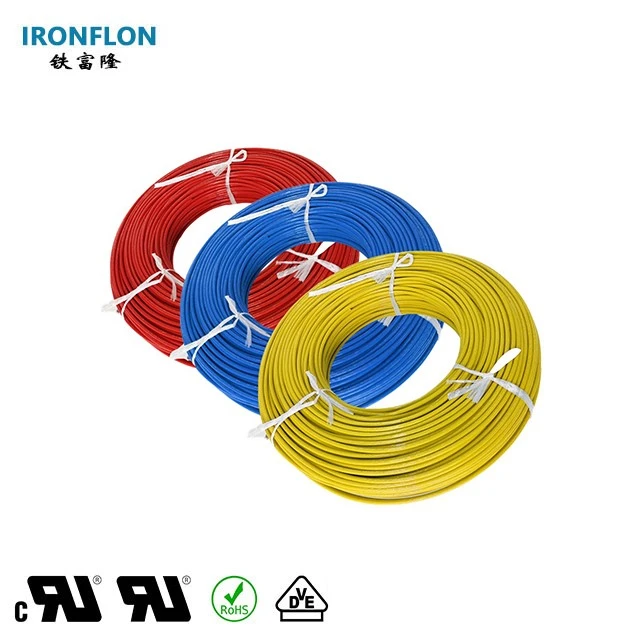
For example, UL10362 wire is suitable for high-temperature electrical applications with a rated temperature of 250°C and a rated voltage of 600V, and can be configured with corresponding conductor specifications and structures according to different project requirements. For applications that require higher voltage levels, UL1911 insulated electrical copper wire can be further evaluated. This product uses PFA insulation, has a rated voltage of 5-50KV/DC, and can use conductor structures such as silver plated copper, nickel plated copper, or tin plated copper according to different requirements.
When selecting products, buyers should not only focus on individual parameters such as "250°C" or "600V", but should combine temperature, voltage, conductor structure, insulation thickness, and actual working environment to make judgments. For example, although an application does not require high temperature, if there is strong chemical corrosion or mechanical vibration, it may still require higher performance insulation structures.
Choose according to different industrial applications
PFA wire is widely used in fields such as automotive, aerospace, industrial equipment, electronic equipment, and precision instruments, but the focus on wire performance varies among different applications.
In the automotive industry, the engine compartment, sensors, and areas near heat sources typically require electrical wiring to withstand high temperatures, vibrations, fluids, and limited installation space. UL10362 wire can be used as one of the options for high-temperature automotive electrical wiring, provided it meets product specifications.
In the aerospace and defense fields, wires usually need to balance weight, size, reliability, high temperature resistance, and long-term stability, so the control of conductor structure and insulation size is very important.


In industrial equipment, wires may be simultaneously affected by high temperatures, chemicals, mechanical vibrations, and long-term continuous operation. In addition to insulation materials, the conductor, insulation, outer diameter, and mechanical structure should also be analyzed as a complete system.
In the fields of electronics and precision instruments, greater emphasis can be placed on size control, dielectric properties, and insulation stability in high-temperature environments. For high-voltage electronic equipment and instruments, PFA wires can be used according to specific electrical requirements, such as UL1911 wires.
In addition to electrical performance, buyers should also pay attention to issues such as insulation deformation, creep, cracking, conductor oxidation, and mechanical fatigue in high-temperature environments. For applications with vibration or repeated bending, stranded conductors are usually more suitable than solid conductors.
When standard products cannot meet the requirements, Custom Cable can be considered
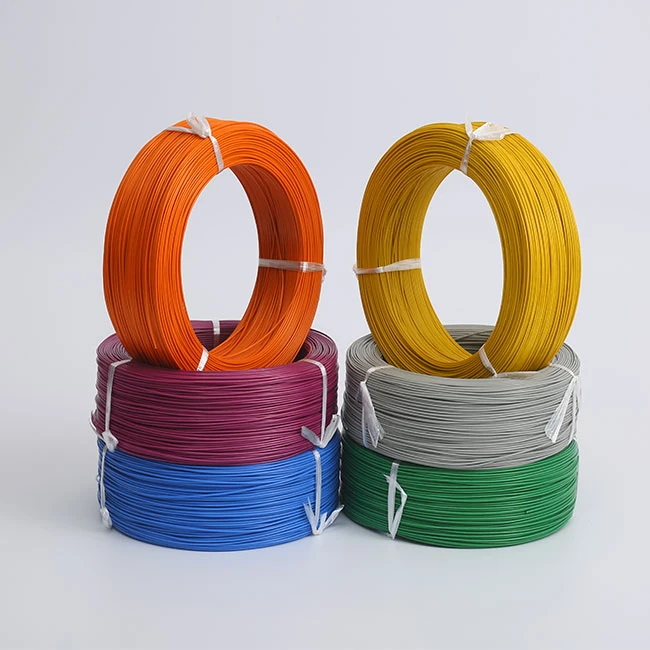
Not all industrial projects can directly use standard PFA wires. When there are non-standard AWG, special conductor coating, specific twisted structure, special insulation thickness, controlled outer diameter, multi-core structure, high voltage, shielding or special temperature requirements in the project, Custom Cable can be considered for customization.
For example, a high-temperature equipment project may require the use of nickel plated copper conductors, as well as specific twisted structures and strict finished outer diameters to match existing connector and wiring harness systems. In this case, directly choosing the closest standard product may result in compromises in installation space, flexibility, or electrical performance.
Therefore, for complex wire and cable projects, the customization capability of suppliers is also an important factor in procurement decisions. Manufacturers with PFA, FEP, and PTFE fluoropolymer processing capabilities and the ability to comprehensively design conductors, insulation materials, dimensions, and application conditions are more suitable for participating in such projects.
How to choose a suitable PFA wire supplier?
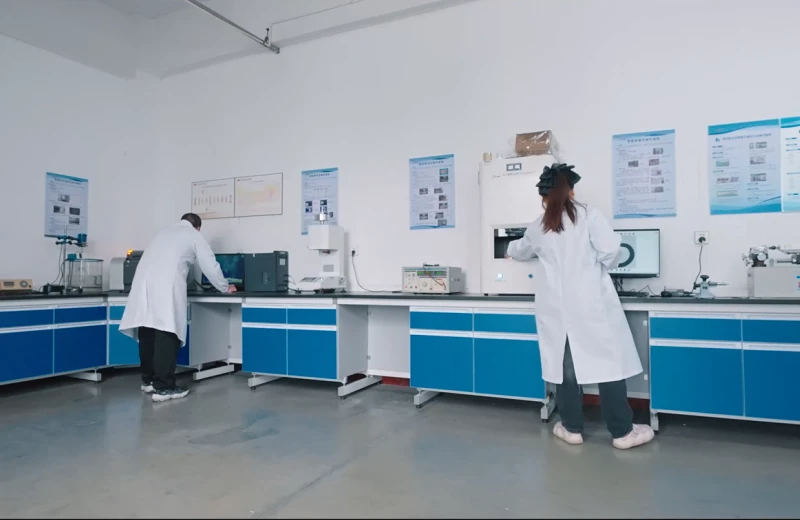
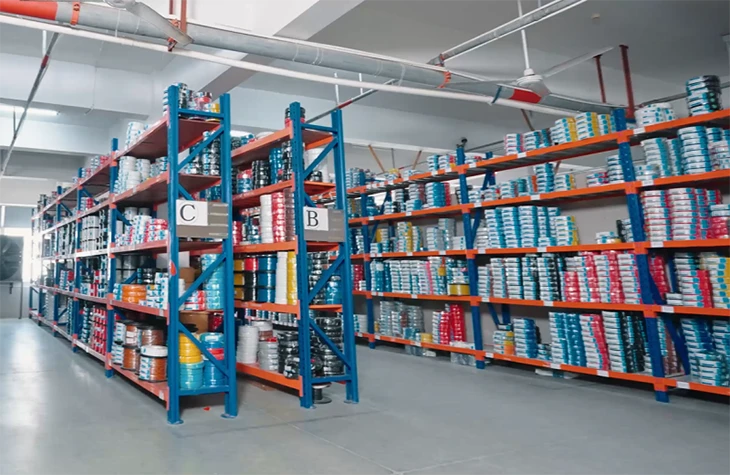
For buyers, when choosing PFA wire suppliers, they not only need to compare unit prices, but also comprehensively consider multiple aspects such as material capabilities, manufacturing capabilities, product certification, quality control, customization capabilities, and technical support.
A reliable supplier should be able to explain why a product is suitable for a specific application and provide corresponding technical data, test files, and product specifications, rather than simply recommending the product with the highest temperature rating.
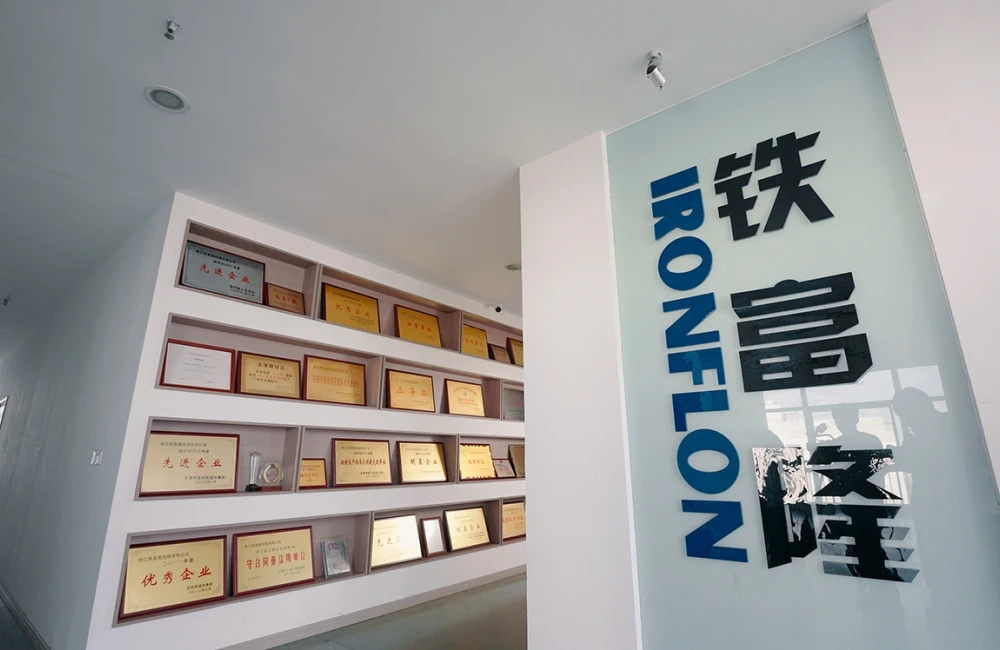
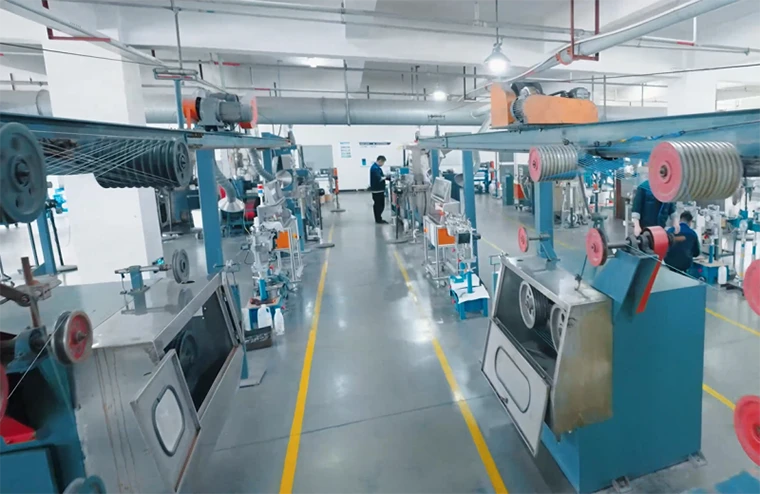
Zhejiang IRONFLON Wire & Cable Co., Ltd. specializes in the research and manufacturing of PTFE, FEP, and PFA fluoropolymer insulated wires and cables. Our products cover high-temperature PFA wires and customized cable solutions for different application scenarios. The company has established a manufacturing system covering processes such as conductor twisting, shielding structure processing, core wire cabling, fluororesin extrusion, cold push insulation, sintering, and fluororesin film wrapping. Multiple production processes operate in the same manufacturing system, supporting the production of wires and cables with different materials, structures, and application requirements.
Relying on a technical team with years of experience in the cable industry and accumulated process experience in the manufacturing of fluororesin cables, IRONFLON provides wire and cable products for industrial applications such as household appliances, electronic products, aerospace, defense related fields, electronics and steel, metallurgy, petroleum, and chemical industries.
Conclusion
The core of choosing PFA insulated wire is not to find the product with the highest temperature rating, but to find a complete structure that matches the actual application. The purchaser should comprehensively consider the working temperature, voltage, conductor material, conductor structure, insulation thickness, mechanical properties, installation space, chemical environment, and certification requirements.
For standard high-temperature applications, evaluation can begin with products such as UL10362 wire; For high voltage applications, further understanding of UL1911 insulated electrical copper wire can be obtained. If the standard specifications cannot meet the equipment design requirements, Custom Cable can be considered for customizing conductors, insulation, dimensions, and other structural parameters.
If you are selecting PFA wires for a specific wire and cable project, you can contact the IRONFLON team and provide information such as working temperature, voltage, wire gauge, conductor material, insulation size, and application environment to obtain more accurate product specifications