1. Before installation: make all preparations
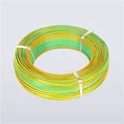
To install PFA wires, the first step is to put good procurement, PFA wires are silicone high voltage wire, which need to be carefully. Need to strictly check the wire specifications and design requirements are consistent, carefully check the third-party certification report, while using calipers to measure the key dimensions to ensure that there is no error. As PFA materials are expensive, be wary of substandard materials, choose regular suppliers, and identify authenticity by observing the appearance and requesting original factory test reports. When measuring the length of the wire, it is necessary to measure accurately along the actual path, consider the bending radius, the space occupied by the terminals, and reserve a margin of 1 - 2% for critical lines.
2. Installation: Standardise the operational details
During installation, treat the PFA wires gently, prohibit dragging and dragging, and add a wire protection sleeve when crossing the holes. Strip the wire with a heated wire stripper or special tools to avoid damage to the conductor; crimp terminals need to use matching tools to ensure that the crimp is firm and uniform shape. If working in low temperature environment, the silicone high voltage wire should be warmed up to 15 - 25°C first to prevent the insulation layer from brittle cracks, which can also ensure safety.
3. Maintenance: Regular inspection records
Daily maintenance of silicone high voltage wire should not be neglected. Regular visual inspection is required to check whether there are indentation, loosening and other abnormalities, but also through the insulation resistance test, infrared thermal imaging and other means, to detect potential hidden dangers. Keep the wire clean, avoid using unknown solvents to wipe. At the same time, keep wiring drawings, update records in a timely manner, and mark cables well. In addition, corners can be recycled to reduce costs.