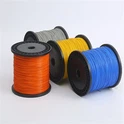
Hey there! As a supplier of UL1886 tin plated FEP insulated wire, I often get asked about how to measure the insulation resistance of this kind of wire. So, I thought I'd share some insights on this topic in this blog post.
First off, let's understand why measuring the insulation resistance is so important. Insulation resistance is a key indicator of the quality and performance of the wire. A high insulation resistance means that the insulation material is doing its job well, preventing current leakage and ensuring the safety and reliability of the electrical system. On the other hand, a low insulation resistance could signal problems like insulation damage, moisture ingress, or contamination, which can lead to short circuits, electrical failures, and even safety hazards.
Now, let's get into the nitty - gritty of how to measure the insulation resistance of UL1886 tin plated FEP insulated wire.
What You'll Need
To measure the insulation resistance, you'll need a few tools. The most important one is an insulation resistance tester, also known as a megohmmeter or a megger. This device is specifically designed to measure high resistances, typically in the range of megohms (millions of ohms). You'll also need some basic safety equipment like insulated gloves and safety glasses to protect yourself from electrical hazards.


Preparation
Before you start measuring, it's crucial to prepare the wire properly. First, make sure the wire is disconnected from any power source. You don't want to get a shock or damage your testing equipment. Then, clean the wire to remove any dirt, dust, or moisture on the surface. Even a small amount of contamination can affect the measurement results. You can use a clean, dry cloth to wipe the wire gently.
Measuring Process
- Set up the tester: Turn on the insulation resistance tester and set it to the appropriate voltage and range. For UL1886 tin plated FEP insulated wire, a common test voltage is 500V or 1000V, but you should refer to the wire's specifications or relevant standards to determine the exact value.
- Connect the tester: Connect the test leads of the tester to the wire. One lead should be connected to the conductor (the tin - plated copper part), and the other lead should be connected to a conductive surface that is in contact with the insulation. You can use a metal foil wrapped around the insulation for this purpose. Make sure the connections are secure to get accurate readings.
- Take the measurement: Once the tester is connected, press the test button and wait for the reading to stabilize. The tester will display the insulation resistance value in megohms. Record this value carefully.
- Repeat the measurement: To ensure accuracy, it's a good idea to take multiple measurements at different points along the wire. This can help you detect any local variations in the insulation resistance.
Interpreting the Results
After you've taken the measurements, you need to interpret the results. The acceptable insulation resistance value for UL1886 tin plated FEP insulated wire depends on various factors such as the wire's size, application, and relevant standards. Generally, a higher insulation resistance is better. If the measured value is significantly lower than the specified minimum value, it could indicate a problem with the insulation.
For example, if the standard requires a minimum insulation resistance of 100 megohms and your measurement shows only 10 megohms, there might be an issue like a damaged insulation layer or moisture penetration. In such cases, you should further investigate the cause and take appropriate actions, such as replacing the wire or fixing the insulation.
Comparing with Other Wires
It's interesting to compare the insulation resistance of UL1886 tin plated FEP insulated wire with other types of wires. For instance, the 12 Awg Stranded Copper Wire has its own insulation characteristics. While both are FEP - insulated, the 12 AWG wire might have different insulation resistance values due to its different size and construction.
Another wire to consider is the UL10518 Teflon wire. Teflon is also a high - performance insulation material, and comparing its insulation resistance with that of UL1886 tin plated FEP insulated wire can give you a better understanding of the performance differences between these two types of wires.
The 2C Wire is yet another option. It has its unique features, and measuring its insulation resistance can help you evaluate its suitability for different applications compared to UL1886 tin plated FEP insulated wire.
Factors Affecting Insulation Resistance
There are several factors that can affect the insulation resistance of UL1886 tin plated FEP insulated wire. Temperature is one of the most significant factors. As the temperature increases, the insulation resistance generally decreases. This is because higher temperatures can cause the insulation material to become more conductive. Humidity is another factor. Moisture can penetrate the insulation and reduce its resistance. So, when measuring the insulation resistance, it's important to note the temperature and humidity conditions and make appropriate corrections if necessary.
Importance of Regular Testing
Regularly measuring the insulation resistance of UL1886 tin plated FEP insulated wire is essential for maintaining the safety and reliability of your electrical systems. By monitoring the insulation resistance over time, you can detect any gradual changes or degradation in the insulation. This allows you to take preventive measures before a serious problem occurs. For example, if you notice a steady decrease in the insulation resistance, you can plan to replace the wire before it fails completely.
Conclusion
Measuring the insulation resistance of UL1886 tin plated FEP insulated wire is a crucial step in ensuring its quality and performance. By following the proper procedures and using the right tools, you can get accurate measurements and make informed decisions about the wire's condition.
If you're in the market for high - quality UL1886 tin plated FEP insulated wire or have any questions about insulation resistance testing, feel free to reach out to us. We're here to help you find the best solutions for your electrical needs. Whether you're working on a small DIY project or a large - scale industrial application, our wires are designed to meet your requirements.
References
- Electrical Wiring Handbook
- UL Standards for Electrical Wires and Cables