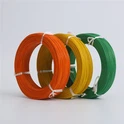
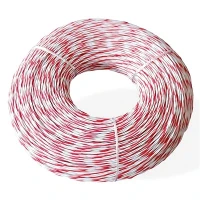
Color fastness, a fundamental concept in the realm of materials science, plays a critical role in assessing the durability and quality of various coatings. In the context of FEP (Fluorinated Ethylene Propylene) insulation coatings used in FEP insulated wires, understanding color fastness is not only essential for aesthetic purposes but also has implications for the wire's performance and reliability. As a trusted FEP insulated wire supplier, I'll delve into what color fastness means for FEP insulation coatings and why it matters in different applications.
What is Color Fastness?
Color fastness refers to the ability of a material to retain its original color under the influence of various factors, such as light, heat, moisture, chemicals, and physical abrasion. In the case of FEP insulation coatings, color fastness determines how well the coating will maintain its appearance over time, ensuring that the wires not only look good but also function as intended. A high color fastness rating implies that the coating will resist fading, discoloration, and other forms of color deterioration, even in harsh operating environments.
Why Color Fastness Matters for FEP Insulation Coatings
In many applications, the appearance of the FEP insulated wire is important. For example, in consumer electronics or architectural wiring, the wires are often visible, and their color can enhance the overall visual appeal of the product or installation. A coating with good color fastness ensures that the wires will continue to look presentable throughout their service life, maintaining the aesthetic standards of the end product.
Color is often used as a method of identification in electrical wiring. Different colors may represent different functions, phases, or voltage levels. For instance, in a complex electrical system, a specific color coded wire may indicate a ground connection or a particular circuit. If the color of the FEP insulation coating fades or changes over time, it can lead to misidentification and potentially cause safety hazards or operational issues.
Color fastness can also be an indicator of the overall durability of the FEP insulation coating. A coating that retains its color well is likely to have better resistance to other forms of degradation, such as chemical attack or oxidation. This means that the wire's insulation properties are more likely to be maintained, reducing the risk of electrical failures and ensuring the long term reliability of the wiring system.
Factors Affecting Color Fastness of FEP Insulation Coatings
One of the most common causes of color change in FEP insulation coatings is exposure to light, especially ultraviolet (UV) light. UV rays can break down the chemical bonds in the coating, leading to color fading and degradation. In outdoor applications or in environments with high intensity lighting, such as industrial facilities or warehouses, the negative effects of light exposure on color fastness can be particularly pronounced. To mitigate this, some FEP insulation coatings are formulated with UV stabilizers to enhance their resistance to light induced color change.
High temperatures can also have a significant impact on the color fastness of FEP insulation coatings. FEP is known for its excellent heat resistance, but prolonged exposure to extreme temperatures can still cause the coating to change color. In applications where the wires are exposed to high temperature conditions, like in high temperature Teflon wire for industrial ovens or aerospace components, maintaining color fastness becomes crucial. The coating should be able to withstand these elevated temperatures without significant color alteration.
Contact with chemicals can cause discoloration or degradation of the FEP insulation coating. Chemicals such as solvents, acids, and alkalis can react with the coating material, leading to color changes. In environments where the wires may come into contact with chemicals, like in chemical processing plants or laboratories, the color fastness of the FEP insulation coating in the face of chemical exposure needs to be carefully considered.
Physical abrasion can also affect the color fastness of FEP insulation coatings. In applications where the wires are subject to rubbing, scraping, or bending, the coating may wear off, revealing a different color underneath or causing a change in the overall color appearance. For example, in cables that are frequently moved or manipulated, such as waterproof power cable in marine or construction settings, the coating's resistance to physical abrasion is an important factor in maintaining color fastness.


Testing Color Fastness of FEP Insulation Coatings
Light Fastness Testing
This involves exposing samples of the FEP coated wire to a specific light source, usually a simulated sunlight or UV light, for a predetermined period. The change in color is then measured using color measuring instruments, and the results are compared to a standard scale. This test helps to determine the coating's ability to resist fading when exposed to light.
Heat Resistance Testing
Samples are subjected to elevated temperatures for a set time, and the color change is observed. This test is crucial for evaluating the performance of FEP insulation coatings in high temperature applications, such as high temperature heat resistant wire.
Chemical Resistance Testing
The samples are immersed in different chemicals or exposed to chemical vapors for a specified duration. After the exposure, the color and physical integrity of the coating are examined to determine its resistance to chemical induced color change.
Abrasion Resistance Testing
This test simulates the physical abrasion that the wire may experience during its service life. A rubbing or scraping device is used to apply a controlled amount of force to the coating surface, and the extent of color change and coating wear is measured.
We at Zhejiang IRONFLON use high-quality raw materials and advanced manufacturing processes to ensure excellent color fastness of FEP insulation coatings. Our internal quality control team rigorously tests all of our products, including color fastness testing, to ensure they meet or exceed industry standards.
We offer a wide range of FEP insulated wires, such as UL10064 Wire and Fire Resistant Wire, each designed to meet the specific needs of different applications. Whether you need wires for high temperature environments, chemical resistant applications, or simply for their aesthetic appeal, we have the right solution for you.
If you are in the market for high quality FEP insulated wires with excellent color fastness, we invite you to contact us. Our team of experts is ready to assist you in selecting the right product for your specific requirements. We can provide detailed product information, samples, and competitive pricing.