


As a supplier of UL10316 single core copper wire, I've witnessed firsthand the widespread applications and advantages of this product in various electrical and electronic settings. However, like any other product, it's not without its drawbacks. Understanding these disadvantages is crucial for both us as suppliers and our customers, as it allows for informed decision - making and appropriate use of the wire.
Higher Cost
One of the primary disadvantages of UL10316 single core copper wire is its cost. Copper is a relatively expensive metal compared to some alternatives like aluminum. The high cost of copper is due to several factors. Firstly, copper mining and extraction processes are complex and costly. The limited availability of high - grade copper ore also contributes to its expensive price tag. As a result, UL10316 single core copper wire, which is made from pure copper, is more expensive than many other types of single - core wires made from different materials.
For small - scale projects or applications where budget is a major constraint, this high cost can be a significant deterrent. Customers may opt for cheaper alternatives, such as aluminum single - core wires, even though they may have other performance limitations. This means that as a supplier, we may lose potential customers seeking a more cost - effective solution. The higher cost can also make it difficult for us to compete in price - sensitive markets, especially against suppliers offering lower - cost alternatives like the unsheathed copper wire made from less expensive materials.
Susceptibility to Oxidation
Copper is a reactive metal, and when exposed to air and moisture, it can undergo oxidation. Over time, a layer of copper oxide forms on the surface of UL10316 single core copper wire. This oxidation process not only affects the aesthetic appearance of the wire but also has implications for its electrical performance.
The copper oxide layer is a poor conductor of electricity. As it builds up, the resistance of the wire increases. Higher resistance in the wire can lead to energy losses in the form of heat. In electrical systems, these energy losses can reduce the overall efficiency of the system, resulting in higher energy consumption and increased operating costs for the end - user.
To mitigate oxidation, additional protective coatings or treatments are often required. These additional processes add to the manufacturing cost of the wire, further increasing its price. As suppliers, we need to provide appropriate care and storage recommendations to our customers to minimize oxidation. However, in some challenging environments with high humidity or corrosive substances, it may be difficult to completely prevent copper oxidation, which can lead to customer dissatisfaction.
Limited Flexibility in Some Applications
While UL10316 single core copper wire has certain flexibility, it may not be as flexible as some other types of wires, such as the high voltage flexible cable, especially in high - voltage or high - frequency applications. In applications where frequent bending or movement is required, the relative stiffness of the UL10316 single core copper wire can be a disadvantage.
Over time, repeated bending of the wire can cause internal fractures in the copper core. These fractures can increase the resistance at the break points, leading to localized heating and potentially causing insulation damage. In extreme cases, it can result in electrical failures. For applications in industries like robotics, automotive wiring harnesses where wires need to be routed in tight spaces and undergo continuous movement, a more flexible wire option may be preferred over UL10316 single core copper wire. This can limit our market share in these specific industries, as customers will seek more suitable wire solutions.
Risk of Short - Circuit
The single - core design of UL10316 copper wire poses a higher risk of short - circuit compared to multi - core wires. In a single - core wire, if the insulation is damaged, the exposed copper core can easily come into contact with other conductive materials, leading to a short - circuit. A short - circuit can cause excessive current flow, which may damage the electrical equipment connected to the wire, start a fire, or even pose a safety hazard to personnel.
In complex electrical systems, where multiple wires are bundled together and routed closely, the risk of insulation damage and subsequent short - circuit is amplified. This is a significant concern for our customers, especially those in high - reliability applications such as aerospace, medical devices, and power transmission. In these industries, the safety and reliability requirements are extremely high, and any potential short - circuit risk can be a deal - breaker. As a supplier, we need to ensure strict quality control during the manufacturing process to minimize the risk of insulation damage. However, it's difficult to completely eliminate this risk, which may cause hesitation among some customers when choosing UL10316 single core copper wire.
Compatibility Issues
In some electrical systems, UL10316 single core copper wire may face compatibility issues with other components. For example, when connecting the copper wire to components made of different metals, such as aluminum, a phenomenon called galvanic corrosion can occur. Galvanic corrosion happens when two different metals are in electrical contact in the presence of an electrolyte (such as moisture).
The chemical reaction between copper and aluminum can lead to the erosion of the metal surfaces, causing an increase in resistance at the connection point. This can lead to overheating, poor electrical connections, and ultimately, system failures. To address this issue, special connectors or bonding agents are often required to prevent galvanic corrosion. These additional components and treatments add complexity and cost to the electrical installation. Customers may be reluctant to deal with these compatibility issues, especially if they are looking for a simple and straightforward wiring solution. This can limit the use of UL10316 single core copper wire in systems where different metal components are used.
Difficulty in Identification
In large - scale electrical installations with numerous wires, it can be difficult to identify UL10316 single core copper wire. Unlike multi - core wires that may have color - coded individual cores for easy identification, single - core wires often have a more uniform appearance. This can make it challenging for electricians and maintenance personnel to quickly locate and trace specific wires, especially in complex wiring layouts.
Incorrect identification of wires can lead to installation errors, which may cause electrical malfunctions or safety hazards. It can also increase the time and cost of maintenance and troubleshooting. As a supplier, we can provide additional labeling or marking options for the wire, but it still may not be as convenient as the identification methods available for multi - core wires. This difficulty in identification can be a drawback for customers in large - scale electrical projects, and they may prefer wires that are easier to distinguish.
Comparison with UL10584 Single Core Wire
When compared to UL10584 single core wire, UL10316 single core copper wire has some relative disadvantages. UL10584 single core wire may be designed with specific features such as better insulation materials or a more flexible structure, making it more suitable for certain applications.
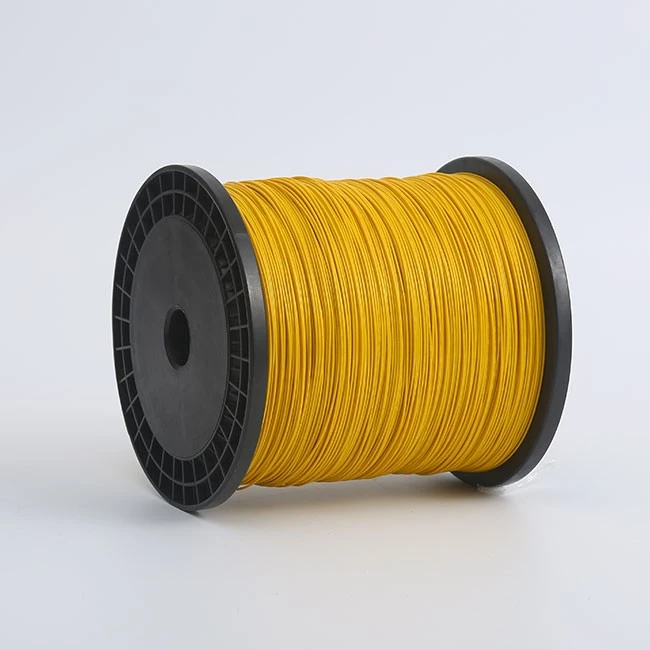

For example, if an application requires high - temperature resistance, UL10584 may have a more advanced insulation system that can withstand higher temperatures compared to UL10316. In such cases, customers will opt for UL10584 single core wire over UL10316, which can reduce our market demand for the latter product. As a supplier, we need to be aware of these differences and be able to provide accurate information to customers to help them make the right choice.
Despite these disadvantages, UL10316 single core copper wire still has many advantages, such as excellent electrical conductivity, good mechanical strength, and compliance with UL standards. We, as suppliers, are committed to providing high - quality products and comprehensive technical support to our customers. If you are considering using UL10316 single core copper wire for your project, we encourage you to contact us for a detailed discussion. Our team of experts can help you evaluate whether this wire is the right choice for your specific application, taking into account both its advantages and disadvantages.
References
- Electrical Wiring Handbook, various editions.
- Copper Development Association technical reports on copper wire applications and properties.
- UL standards documentation related to UL10316, UL10308, and UL10584 single - core wires.


