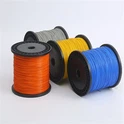
As a supplier of UL1643 tin plated ETFE insulated wire, I've witnessed firsthand the growing demand for high - performance wires in various industries. In this blog, I'll delve into the effect of tin plating on the mechanical durability of UL1643 ETFE insulated wire.
Understanding UL1643 ETFE Insulated Wire
UL1643 is a standard that defines the requirements for cross - linked polyethylene (XLPE) and ethylene tetrafluoroethylene (ETFE) insulated wires. ETFE is a fluoropolymer known for its excellent chemical resistance, high temperature tolerance, and good electrical insulation properties. These wires are commonly used in applications where reliability and performance are crucial, such as aerospace, automotive, and industrial automation.
The Role of Tin Plating
Tin plating is a process where a thin layer of tin is applied to the surface of a metal wire. This process has been used for decades in the wire and cable industry for several reasons.
1. Corrosion Resistance
One of the primary benefits of tin plating is its ability to protect the underlying metal from corrosion. In many environments, the bare metal wire can be exposed to moisture, oxygen, and other corrosive substances. Over time, this can lead to the formation of rust or other forms of corrosion, which can weaken the wire and reduce its mechanical durability. Tin acts as a sacrificial layer, corroding in place of the base metal. This means that even in harsh conditions, the tin - plated wire can maintain its structural integrity for a longer period.
2. Solderability
Tin - plated wires are highly solderable. Soldering is a common method of joining wires in electrical and electronic applications. The tin layer provides a smooth and clean surface for the solder to adhere to, ensuring a strong and reliable connection. A poor solder joint can lead to electrical failures, vibration - induced disconnections, and other mechanical issues. By improving solderability, tin plating indirectly contributes to the overall mechanical durability of the wire in a circuit.
3. Lubricity
Tin plating also offers some degree of lubricity. During the installation process, wires may need to be pulled through conduits, connectors, or other tight spaces. The smooth surface of the tin - plated wire reduces friction, making it easier to handle and install. This reduces the risk of damage to the wire during installation, such as nicks or cuts, which can compromise its mechanical strength.
Impact on Mechanical Durability
1. Tensile Strength
Tin plating can have a positive impact on the tensile strength of the wire. The tin layer provides an additional layer of support, helping to distribute the stress evenly across the wire when it is pulled or stretched. In some cases, the tin plating can also help to prevent the propagation of cracks in the base metal. For example, if a small crack starts to form in the wire, the tin layer can act as a barrier, preventing the crack from growing and causing the wire to break.
2. Flexibility
Flexibility is another important aspect of mechanical durability, especially in applications where the wire needs to be bent or flexed repeatedly. Tin - plated wires tend to be more flexible compared to bare wires. The tin layer is relatively soft and malleable, allowing the wire to bend without cracking or breaking. This is particularly important in applications such as robotics, where wires need to be able to move and flex with the mechanical components.
3. Resistance to Fatigue
In applications where the wire is subjected to cyclic loading, such as vibration or repeated bending, fatigue can be a major concern. Tin plating can improve the wire's resistance to fatigue. The tin layer helps to reduce the stress concentration at the surface of the wire, which is where fatigue cracks typically initiate. By reducing stress concentration, the tin - plated wire can withstand more cycles of loading before it fails.
Comparison with Other Coating Options
While tin plating offers many benefits, it's important to compare it with other coating options available in the market.
1. Silver Coated Wire
Silver - coated wires are known for their excellent electrical conductivity and high temperature resistance. However, silver is a more expensive metal compared to tin. In terms of mechanical durability, silver - coated wires may have similar corrosion resistance and solderability as tin - plated wires. But silver is softer than tin, which may make it more prone to abrasion in some applications.
2. UL1671 High quality wire
UL1671 is another standard for tin - plated ETFE insulated wires. These wires are designed for high - quality applications and often have similar properties to UL1643 wires. However, the specific requirements of UL1671 may result in different levels of mechanical durability. For example, UL1671 may have more stringent requirements for corrosion resistance or tensile strength, which can affect the overall performance of the wire.
3. flexible stranded wire
Flexible stranded wires are often used in applications where high flexibility is required. Tin plating can enhance the mechanical durability of these wires in the same way as solid wires. The tin layer helps to protect the individual strands from corrosion and improves the overall solderability and flexibility of the stranded wire.
Real - World Applications
The enhanced mechanical durability of tin - plated UL1643 ETFE insulated wires makes them suitable for a wide range of real - world applications.
1. Aerospace Industry
In the aerospace industry, wires need to withstand extreme temperatures, vibrations, and mechanical stresses. Tin - plated UL1643 ETFE insulated wires are ideal for this application. Their corrosion resistance ensures that they can operate in harsh environments, while their high tensile strength and flexibility make them suitable for use in aircraft wiring systems.
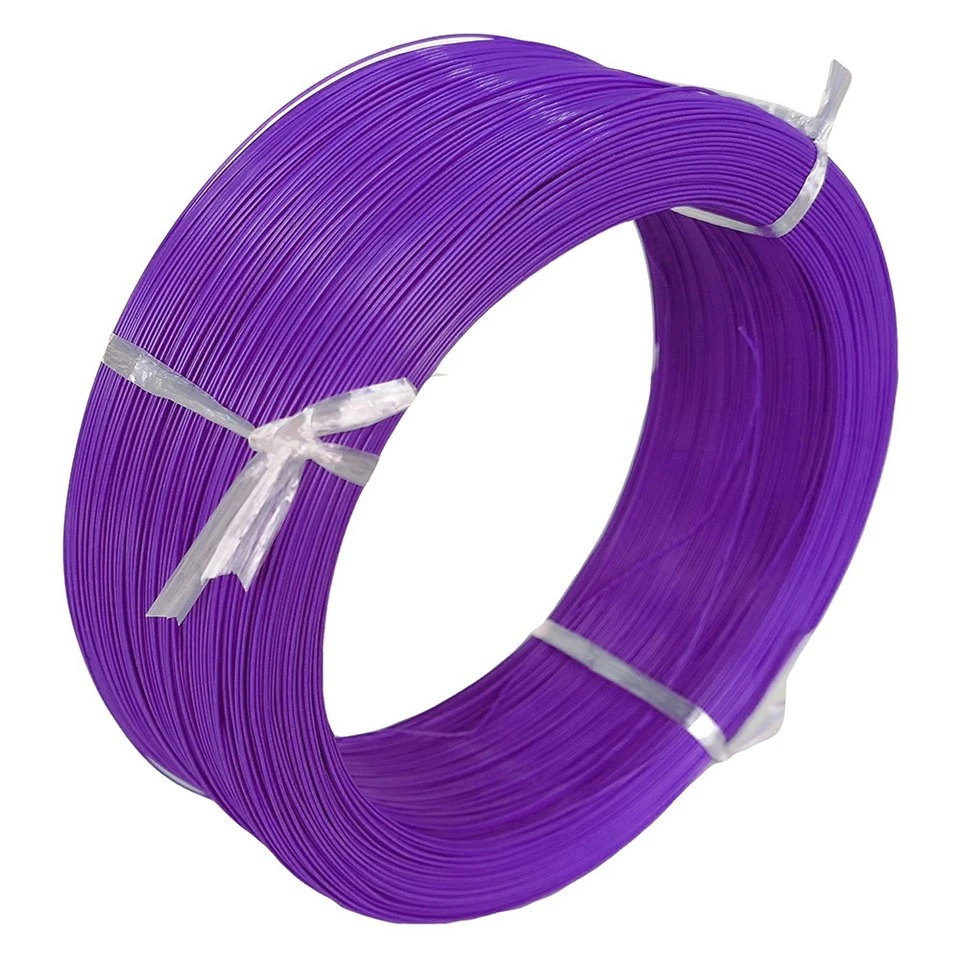

2. Automotive Industry
In automotive applications, wires are exposed to a variety of conditions, including engine heat, road vibrations, and moisture. Tin - plated wires can provide the necessary mechanical durability to ensure reliable performance. For example, in automotive electronics, the high solderability of tin - plated wires helps to create strong and stable connections, reducing the risk of electrical failures.
3. Industrial Automation
In industrial automation, wires are often subjected to repeated bending and movement. The flexibility and fatigue resistance of tin - plated UL1643 ETFE insulated wires make them a great choice for use in robotic arms, conveyor systems, and other automated machinery.
Conclusion
In conclusion, tin plating has a significant positive effect on the mechanical durability of UL1643 ETFE insulated wire. It enhances corrosion resistance, solderability, and lubricity, which in turn improves tensile strength, flexibility, and resistance to fatigue. When compared to other coating options, tin plating offers a cost - effective solution with a good balance of properties.
If you are in need of high - quality UL1643 tin plated ETFE insulated wire for your application, feel free to reach out to us. We are committed to providing the best products and services to meet your specific requirements. Contact us today to start a procurement discussion and find the perfect wire solution for your project.
References
- "Handbook of Wire and Cable Technology" by John D. Krause
- "Electrical Wiring Handbook" by Terrell Croft and Wilford Summers
- "Corrosion Prevention and Control in the Wire and Cable Industry" - Industry Whitepaper