Hey there! As a supplier of PTFE insulated wire, I've been getting a lot of questions lately about how the flexibility of PTFE insulated wire changes over time. So, I thought I'd sit down and write this blog to share what I've learned and experienced in the industry.
What is PTFE Insulated Wire?
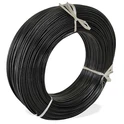
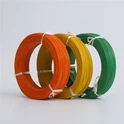
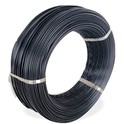
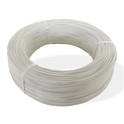
First off, let's quickly go over what PTFE insulated wire is. PTFE, or polytetrafluoroethylene, is a synthetic fluoropolymer that's known for its excellent electrical insulation properties, high temperature resistance, and chemical resistance. When used as an insulation material for wires, it provides a reliable and durable solution for a wide range of applications.
PTFE insulated wires are used in all sorts of industries, from aerospace and automotive to electronics and telecommunications. They're often found in high - tech devices and systems where performance and reliability are crucial. For example, high temperature heating wire is commonly used in heating elements because of its ability to withstand high temperatures without degrading.
Initial Flexibility of PTFE Insulated Wire
When you first get a PTFE insulated wire, it usually has a certain level of flexibility. The flexibility depends on a few factors, like the wire gauge, the thickness of the PTFE insulation, and the construction of the wire itself. Thinner wires with thinner insulation tend to be more flexible than thicker ones.
New PTFE insulated wires can be bent and shaped relatively easily, which makes them great for installations where you need to route the wire around tight corners or through small spaces. For instance, in electronics manufacturing, technicians can easily manipulate the wires to connect different components on a circuit board.
Factors Affecting Flexibility Over Time
Now, let's talk about what happens to the flexibility of PTFE insulated wire as time goes on. There are several factors that can influence this change.
Temperature
One of the biggest factors is temperature. PTFE is known for its high temperature resistance, but extreme temperatures can still have an impact on its flexibility. In high - temperature environments, the PTFE insulation can start to expand and become more brittle over time. This means that the wire may become less flexible and more prone to cracking or breaking when bent.
On the other hand, in very cold temperatures, the PTFE insulation can contract. This contraction can also reduce the flexibility of the wire. For example, in aerospace applications where the wire may be exposed to both high - and low - temperature extremes during flight, the flexibility of the PTFE insulated wire needs to be carefully considered.
Chemical Exposure
PTFE is highly resistant to most chemicals, but prolonged exposure to certain harsh chemicals can still cause damage. Some solvents or corrosive substances can break down the PTFE insulation, which can lead to a loss of flexibility. If the wire is used in an industrial setting where it's exposed to chemicals on a regular basis, it's important to monitor its condition closely.
Mechanical Stress
Mechanical stress, such as repeated bending, twisting, or pulling, can also affect the flexibility of PTFE insulated wire over time. Every time the wire is bent, the PTFE insulation is subjected to internal stress. Over a large number of bends, this stress can cause micro - cracks to form in the insulation. These micro - cracks can gradually grow and reduce the overall flexibility of the wire.
How to Measure Flexibility Changes
To figure out how the flexibility of PTFE insulated wire is changing over time, there are a few methods that can be used.

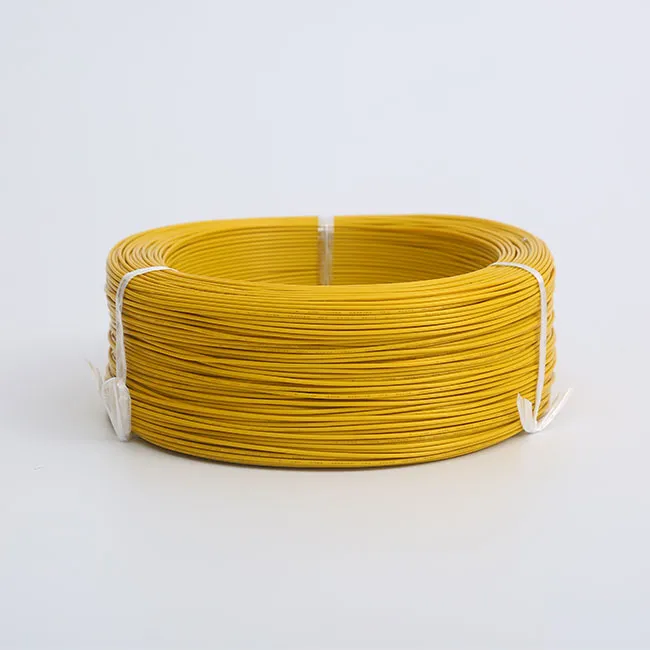
One simple way is to visually inspect the wire. Look for signs of cracking, peeling, or other damage to the insulation. If you see any of these signs, it's likely that the flexibility has been affected.
Another method is to perform a bend test. Take a sample of the wire and bend it back and forth a certain number of times. Measure the force required to bend the wire at different intervals. If the force required to bend the wire increases over time, it means that the wire is becoming less flexible.
Maintaining Flexibility of PTFE Insulated Wire
There are some steps you can take to maintain the flexibility of PTFE insulated wire over time.
First, make sure to install the wire correctly. Avoid sharp bends or kinks during installation, as these can cause stress on the insulation and reduce flexibility. Use proper cable management techniques, such as cable ties and conduits, to protect the wire from unnecessary mechanical stress.
Second, control the environment where the wire is used. If possible, keep the temperature and humidity within the recommended range for the PTFE insulated wire. In high - temperature or high - humidity areas, use ventilation or cooling systems to maintain a stable environment.
The Impact of Flexibility Changes on Performance
The change in flexibility of PTFE insulated wire can have a significant impact on its performance. If the wire becomes too inflexible, it may be difficult to install or repair. In some cases, a loss of flexibility can also lead to electrical problems. For example, if the insulation cracks due to lack of flexibility, it can expose the conductive core of the wire, which can cause short circuits or other electrical failures.
Our Offerings as a Supplier
As a PTFE insulated wire supplier, we offer a wide range of products to meet different needs. Our high temperature stranded wire is great for applications that require both high temperature resistance and flexibility. And our silver plated cable provides excellent conductivity along with the benefits of PTFE insulation.
We understand the importance of the flexibility of PTFE insulated wire and how it changes over time. That's why we conduct thorough quality control tests on all our products to ensure that they meet the highest standards of flexibility and durability.
Contact Us for Your PTFE Insulated Wire Needs
If you're in the market for PTFE insulated wire or have any questions about the flexibility changes over time, don't hesitate to reach out. We're here to help you find the right solution for your specific application. Whether you need a small quantity for a prototype or a large order for a production run, we've got you covered.
References
- "Handbook of Polymer Science and Technology"
- "Electrical Wiring Handbook"
So, that's all about the flexibility change of PTFE insulated wire over time. I hope this blog has been helpful to you. If you have any more questions or experiences to share, feel free to leave a comment below!