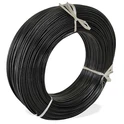
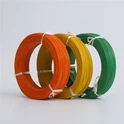
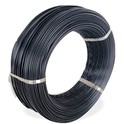
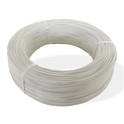
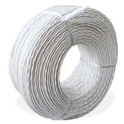
As a supplier of UL10358 single core copper wire, I often get asked about the surface finish of the conductor in these wires. Let's dive right into it and explore what it's all about.
First off, the surface finish of the conductor in UL10358 single core copper wire is super important. It can affect a bunch of things, like the wire's performance, its durability, and even how well it fits into different applications.
The most common surface finish for the conductor in UL10358 single core copper wire is bare copper. Bare copper has its own set of advantages. It's a great conductor of electricity, which is obviously a huge plus. Think about it, if you're using the wire in an electrical circuit, you want the electricity to flow smoothly, and bare copper helps with that. Also, bare copper is relatively inexpensive compared to some other finishes. This makes UL10358 single core copper wire a cost - effective option for a lot of projects.
However, bare copper does have its downsides. It's prone to oxidation. When exposed to the air, copper reacts with oxygen to form copper oxide. This can lead to a decrease in the wire's conductivity over time. Oxidation can also cause the wire to become brittle, which might make it more likely to break. So, if the wire is going to be used in an environment where it's exposed to air, moisture, or other corrosive elements, we might need to think about a different finish.
Another option for the surface finish is tinned copper. Tinning is the process of coating the copper conductor with a thin layer of tin. This finish has some great benefits. One of the biggest advantages is its resistance to oxidation. The tin layer acts as a barrier between the copper and the air, preventing the copper from reacting with oxygen. This means that tinned copper UL10358 single core copper wire can last longer in harsh environments.
Tinned copper also has better solderability. If you need to connect the wire to other components in a circuit, tinning makes it easier to form a good solder joint. The solder adheres more readily to the tinned surface, which results in a stronger and more reliable electrical connection.


When it comes to flexibility, tinned copper wires are often a bit more flexible than bare copper wires. This makes them a great choice for applications where the wire needs to be bent or twisted, like in some electronic devices or in automotive wiring.
There's also silver - plated copper as a surface finish option. Silver is an even better conductor of electricity than copper. So, when you have a silver - plated copper conductor in UL10358 single core copper wire, you get enhanced electrical conductivity. This is especially useful in high - frequency applications, where even a small improvement in conductivity can make a big difference.
Silver - plated copper also has good corrosion resistance. Similar to tinning, the silver layer acts as a protective barrier for the copper. However, silver - plating is more expensive than the other two options. So, it's usually used in applications where the enhanced performance justifies the higher cost, like in military or aerospace electronics.
Now, let's talk about how the surface finish relates to the applications of UL10358 single core copper wire. If you're working on a simple DIY electrical project at home, bare copper might be just fine. It's cheap and will work well for basic electrical connections. But for something more demanding, like a marine environment where the wire will be exposed to saltwater, tinned copper would be a better choice due to its corrosion resistance.
For high - end audio or video equipment, the silver - plated copper option might be worth considering. The improved conductivity can help in delivering a clearer and more accurate signal.
As a supplier, I've seen these wires being used in a wide range of industries. They're used in consumer electronics, where the single core design is perfect for connecting different components inside the devices. They're also popular in the automotive industry for wiring different systems in cars. And in the industrial sector, they're used for various electrical control systems.
If you're interested in other types of single - core copper wires, you might want to check out UL10584 single core wire. It has its own unique features and applications. And if you need a more flexible option, take a look at single core multi strand flexible copper cable. And for unsheathed options, unsheathed copper wire could be what you're after.
In conclusion, understanding the surface finish of the conductor in UL10358 single core copper wire is crucial when deciding which wire is right for your project. Whether it's bare copper, tinned copper, or silver - plated copper, each finish has its own pros and cons. So, take the time to think about your specific requirements in terms of conductivity, corrosion resistance, cost, and flexibility.
If you're in the market for UL10358 single core copper wire or any of the related products, I'd love to have a chat with you. We can discuss your needs in detail and find the best solution for your project. Reach out for a friendly chat and let's get started on finding the perfect wire for you.
References
- Copper Handbook: Fundamental and Applications, ASM International
- Electrical Wiring Handbook, McGraw - Hill Education