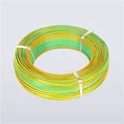
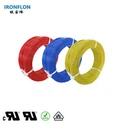
In the current era of accelerated upgrading of automotive electrification and intelligence, core areas such as the engine compartment, battery pack, and high-voltage wiring harness face multiple tests of high temperature, oil pollution, vibration, and corrosion all year round. Ordinary wires are prone to insulation aging, cracking, short circuits, and other hidden dangers, directly threatening the electrical stability and driving safety of the entire vehicle. The High Temperature automotive wire, specially designed for extreme hot environments, is the core component to overcome this pain point and a key choice for car companies and component manufacturers to improve product reliability.
Why is high temp electrical wire indispensable under harsh working conditions?
The engine compartment temperature of traditional fuel vehicles often exceeds 120 ℃, and the local temperature of high-pressure systems and fast charging modules in new energy vehicles surges to over 150 ℃ during operation. In addition, the erosion of engine oil, coolant, acidic and alkaline gases, as well as the continuous vibration during vehicle operation, put forward extreme requirements for the heat resistance, weather resistance, and mechanical strength of the wires.
Once the temperature resistance of the wire does not meet the standard, signal transmission distortion and circuit failure may occur, and in severe cases, insulation breakdown, short circuit and fire may occur, directly affecting the vehicle's quality assurance and brand reputation. Only specialized wires that are suitable for high temperature environments can maintain stable performance under extreme working conditions and build the "lifeline" of the vehicle's electrical system.
Core advantage: Not only can it withstand high temperatures, but it is also resistant to manufacturing in all scenarios
High quality high temp electrical wire are not simply about improving the temperature resistance index, but an integrated solution that considers multiple performance factors, perfectly matching the strict standards of the automotive industry:
Extreme heat resistance and aging resistance : special insulation materials such as cross-linked polyethylene, fluoropolymer and silicone rubber are used, which can withstand the high temperature of 150-260 ℃ for a long time, far exceeding the upper temperature limit of 70 ℃ for ordinary PVC wires. The insulation layer will not melt, crack and embrittlement under long-term high temperature operation, and its service life will be greatly extended.
Strong chemical corrosion resistance : not afraid of corrosion from commonly used automotive chemicals such as engine oil, gasoline, brake fluid, electrolytes, etc., to prevent insulation layer from being corroded and damaged, suitable for complex oil pollution environments such as engine compartments and chassis.
Excellent mechanical toughness : Multi stranded soft copper conductors with flexible sheaths ensure conductivity and signal transmission stability, while also resisting vibration, bending, and pulling during vehicle operation, avoiding conductor breakage and poor contact.
Compliant flame retardant safety : meets international automotive cable standards such as ISO 6722 and UL, has excellent flame retardant performance, and is not easy to spread fire in case of sudden short circuit, minimizing safety risks.


Selection key: Fit to the scene, choose the right one for high cost-effectiveness
Choosing High Temperature automotive wire, there is no need to blindly pursue the highest temperature resistance level. Precise matching based on application scenarios is the core:
For areas with ultra-high temperatures such as the engine compartment and exhaust pipes, priority should be given to using fluoropolymer wire materials that can withstand temperatures above 200 ℃; In high temperature scenarios such as low-voltage circuits and cabin wiring harnesses for new energy vehicles, cross-linked polyethylene material wires can balance performance and cost; High voltage fast charging and motor control circuits need to simultaneously consider temperature and voltage resistance performance to ensure stable operation under high current and high temperature dual loads.
Industry Trend: Lightweight+High Performance, Adapting to the New Energy Wave
With the popularization of 800V high-voltage platforms for new energy vehicles and the increasing demand for lightweight, high temp electrical wire are also iterating towards finer diameter, lighter weight, and higher conductivity. While ensuring heat resistance, flame retardancy, and weather resistance, further reducing wire volume and weight not only meets the space constraints of vehicle wiring, but also helps to reduce energy consumption and improve endurance, becoming a standard choice for future automotive electrical systems.