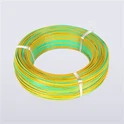
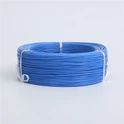
In high temperature industrial environments, selecting high temperature cable specifications can directly lead to premature aging of insulation layers, oxidation of conductors, equipment shutdown, and failure of safety compliance. For electrical engineers, system integrators, and OEM procurement experts, choosing high temperature cables requires a balance between thermal performance, dielectric strength, mechanical stress, and overall cost of ownership.
The first step in cable selection is defining the continuous thermal profile of the operating environment. A common engineering pitfall is specifying wire based solely on nominal ambient room temperature while ignoring local heat generation.
Key Thermal Variables to Calculate
- Continuous Operating Temperature: A relatively stable (no longer drastically changing) temperature environment for equipment or products during normal operation.
- Peak Temperature: Short-term temperature surges caused by thermal radiation, proximity to heating elements, or process cycles.
- Conductor Temperature Rise (Self-Heating): Heat generated internally by current flow, which combines with external ambient temperatures.
- Cold Bend / Low-Temperature Flexibility: Extreme environments often experience wide thermal cycling. Cables must maintain flexibility during sub-zero shutdowns without cracking.
Engineering Rule: Always specify a cable continuous temperature rating that exceeds the calculated maximum combined temperature (ambient + self-heating) by a minimum 15%–20% safety margin.
Fluoropolymer Insulation Comparison: PTFE, FEP, PFA, and ETFE Insulated wire
| Insulation Material | Temperature Resistance | Dielectric & Chemical Stability | Mechanical Toughness & Cut-Through | Common UL / Industrial Styles | Typical Applications |
| PTFE (Polytetrafluoroethylene) | 260°C | Highest dielectric stability; virtually inert. | Moderate toughness; susceptible to mechanical cold flow under pressure. | UL1199, UL1213 | Aerospace, military harnesses, high-frequency RF systems, semiconductor processing. |
| FEP (Fluorinated Ethylene Propylene) | 200°C | Excellent chemical resistance; high flame resistance. | Good flexibility; melt-processable for long continuous extrusions. | UL1330, UL1331, UL1332 | Industrial sensors, petrochemical instrumentation, internal appliance wiring. |
| PFA (Perfluoroalkoxy) |
250°C |
Matches PTFE chemical and thermal resistance. | Higher flex-life and mechanical strength than PTFE. | UL1726, UL10362 | Industrial furnaces, high-heat processing equipment, chemical pumps. |
| ETFE (Ethylene Tetrafluoroethylene) | 150°C | High chemical resistance; low smoke/flame. | Superior tensile strength, impact, and cut-through resistance. | UL10086, UL1508 | Automated machinery, robotics, dynamic drag-chain installations. |


We can't just look at insulation materials, we also need to consider conductors
High temperature cables are not only determined by insulation materials, but also by conductor materials and their coatings, which can affect long-term reliability in high temperature environments.
- Bare copper will rapidly oxidize above 100°C, leading to increased resistance, connection fatigue, and ultimately circuit failure. The high temperature cable design must use a conductor coating that matches the exposure temperature.
- Tinned Copper: Cost-effective for standard high-temp applications up to +150°C.
- Silver-Plated Copper: Rated up to +200°C. Offers high electrical conductivity and solderability, but susceptible to tarnishing in high-sulfur environments.
- Nickel-Plated Copper: Rated up to +250°C. Provides oxidation protection in extreme thermal zones, though nickel plating increases termination contact resistance slightly compared to silver or tin.
Mechanical, Environmental, and Regulatory Considerations
Heat is rarely the only stress factor in industrial installations. To prevent unexpected field failures, evaluate the following operational demands:
Mechanical Stress & Bend Radius
- Static vs. Dynamic Applications: Static internal chassis wiring can use solid conductors or standard strandings (e.g., 7 or 19 strands). Dynamic flexible applications (drag chains, robotic arms) require the use of finely twisted conductors to withstand fatigue.
- Minimum Bend Radius: Fluoropolymers like PTFE can be rigid. Ensure the outer diameter (OD) and insulation wall thickness allow installation without pinching or exceeding minimum bend limits.
Fluid & Chemical Exposure
Industrial installations exposed to hydraulic fluids, cutting oils, solvents, or concentrated acids require melt-extruded fluoropolymers (FEP, PFA, ETFE) to act as impenetrable moisture and chemical barriers.
Regulatory & Safety Standards
- UL / CSA Compliance: Verify specific UL AWM Style numbers (e.g., UL1330 for FEP, UL1199 for PTFE) based on voltage requirements (300V vs. 600V) and thermal ratings.
- Environmental Directives: Ensure that raw materials comply with RoHS for international transportation.
Engineer procurement decision-making suggestions
Temperature <= +150°C: Select ETFE insulation with Tinned Copper conductors for maximum mechanical cut-through resistance.
Temperature +180°C to +200°C: Select FEP melt-extruded insulation with Silver-Plated Copper conductors for continuous moisture and chemical sealing.
Temperature +200°C to +260°C: Select PTFE or PFA insulation with Silver-Plated or Nickel-Plated Copper conductors for extreme heat resistance and low dissipation.
Temperature Above +260°C: Transition to specialized glass braid or ceramic fiber hybrid insulation over Nickel conductors.


Zhejiang IRONFLON Wire & Cable Co., Ltd. is a specialized manufacturer focused on high temperature fluoropolymer-insulated wire and cable solutions for global industrial, aerospace, automotive, medical, and electronic equipment applications.
Manufacturing capability and advantages
Zhejiang IRONFLON provides support to OEM/ODM customers through five technological advantages:
- Precision Fluoropolymer Extrusion Control: In the continuous production process, advanced extruders and high-voltage spark testing are used to ensure high concentricity, uniform dielectric insulation wall thickness, and defect free insulation layer.
- Integrated conductor processing: internal wire drawing, tin plating, silver plating, nickel plating, and high flexibility conductor twisting to ensure low resistance, strict tolerance control, and stable anti-oxidation protection in various temperature ranges.
- Comprehensive UL and environmental certification: The standard product line complies with recognized UL AWM standards (including PTFE, FEP, PFA, and ETFE insulated wire) and the EU RoHS environmental directive, simplifying the regulatory approval process for global market integration.
- Customized OEM cable design and engineering support: capable of designing customized wire conductors, non-standard AWG sizes, composite multi-core structures, high coverage tin/silver plated copper braided shielding layers, and specialized outer sheaths tailored to specific dynamic bending radii or space constraints.
- Quality assurance and traceability: Each production batch undergoes strict quality control, including tensile strength testing, flame retardancy testing (VW-1/FT1), thermal aging testing, and dielectric breakdown voltage testing, with complete batch traceability and testing certification reports for use by global industrial procurement teams.