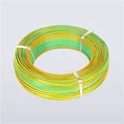
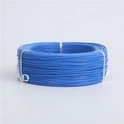
Hi,friends! Whether you are in industrial manufacturing, automotive production, or aerospace related businesses, you are likely to encounter a headache problem - ordinary wires will age, crack, or even short-circuit and strike in high temperature environments, which not only delays production but may also cause safety hazards. Today, let's talk about high temperature insulated electric wire. Without complicated terminology or tedious data, after reading it, you will know why it can become a "must-have tool" for high temperature scenarios, and how to choose and use it to avoid pitfalls.
First understand: What is High Temperature Insulated Electric Wire?
Actually, there's no need to think too complicated about it. Simply put, it's a 'special wire that can withstand high temperatures'. Compared to the ordinary wires we usually use, the core difference lies in the "insulation layer" - the insulation layer of ordinary wires softens and decomposes when exposed to high temperatures, while the insulation layer of high-temperature resistant wire uses specialized heat-resistant materials. Even if they are exposed to high temperatures above 125 ℃ for a long time, they can maintain stability, prevent aging and leakage, and transmit power and signals stably.
For example, in your microwave oven, the wires connecting the heating tubes inside are the most basic high-temperature insulated wire; The smelting furnaces in factories and the engine compartments of cars also use this type of wire. It doesn't choose scenarios, as long as there is a high temperature problem, it can come in handy, which is equivalent to adding a layer of "high temperature protection shield" to power transmission.
It should be mentioned here that not all wires that can withstand high temperatures are called high temperature insulated electric wire. The key is the "long-term tolerance" - being able to withstand high temperatures in the short term does not count, and being able to work stably for thousands or tens of thousands of hours at specified high temperatures is the qualified high-temperature insulated wire.
Core highlight: Why can it "withstand high temperatures"?
Insulation material: high-temperature resistant 'core gas'
The insulation layer is like a "protective suit" for wires. The "protective suit" for ordinary wires is made of ordinary plastic and is not resistant to high temperatures; And the "protective clothing" for high-temperature resistant wires are all specially selected "heat-resistant experts". There are several common types, each with its own advantages. There is no need to remember complex parameters, just know their applicable scenarios:
-Silicone rubber : The most commonly used type, with excellent flexibility, flexibility, and a wide temperature range. It can hold temperatures from -60 ℃ to 200 ℃, and can even withstand high temperatures of up to 250 ℃ in the short term. It is suitable for both flexible connection scenarios (such as motor leads) and outdoor high-temperature environments, with high cost-effectiveness.
-Fluoroplastics :such as PTFE and FEP, are considered as "high-temperature resistant ceilings". They can work at high temperatures of 260 ℃ for a long time and have extremely strong chemical stability. They are not afraid of oil or corrosion, making them suitable for harsh environments such as chemical and metallurgical industries that are both high-temperature and corrosive. The only minor drawback is slightly lower flexibility and a slightly higher price than silicone rubber.
-Radiation crosslinking material : This is an upgrade and transformation of ordinary materials. For example, by processing ordinary polyethylene through radiation technology, its temperature resistance level can be increased to over 125 ℃. It retains the flexibility of ordinary materials while having good heat resistance. The price is also relatively friendly to the people, suitable for cost sensitive and non extreme high temperature demand scenarios.


Production process: Details determine 'durability'
Having good materials alone is not enough, the production process is not in place, and the high temperature resistance performance will also be compromised. High quality high-temperature resistant wires pay attention to two details during production: first, the thickness of the insulation layer is uniform, without uneven thickness, to avoid local high-temperature breakdown; The second is that the adhesion between the conductor and the insulation layer is high, and there will be no looseness or detachment, even if it is subjected to long-term vibration or bending, it can maintain stability.
In addition, many high-end products also add a layer of glass fiber weaving layer outside the insulation layer, which can not only further improve the high temperature resistance, but also enhance the wear resistance and tear resistance, suitable for industrial equipment, aerospace and other scenarios that require extremely high durability of wires.
Practical scenario: These places cannot do without it!
Industrial manufacturing field: the most important "place of application"
In industrial production, many devices generate high temperatures during operation, which ordinary wires cannot withstand. At this time, high-temperature resistant wires become a "must-have":
-Metallurgical industry : During the smelting of steel and non-ferrous metals, the temperature around the smelting furnace and hot rolling mill is particularly high. Connecting equipment and control systems with high-temperature wires can avoid line failures caused by high temperatures and ensure continuous production.
-Chemical industry : Reactors and cracking furnaces not only have high temperatures, but also come into contact with various corrosive media. Using temperature resistant and corrosion-resistant fluoroplastic high-temperature resistant wires can not only withstand high temperatures but also prevent corrosion, ensuring the normal operation of equipment.
-Mechanical manufacturing : The internal wiring of injection molding machines, dryers, and heat treatment equipment needs to withstand the high temperatures generated by equipment operation for a long time. Flexible silicone rubber high-temperature resistant insulated wires are used, which are easy to install and not easily damaged.
Transportation field: the "guarantee line" for safe operation
Whether it's cars, high-speed trains, or airplanes, there are many high-temperature areas inside, and the stability of electrical wires directly affects driving safety:
-Automotive industry : In the engine compartment of a car, the temperature is very high when the engine is running. The wires connecting the ignition system and exhaust system sensors must use high-temperature resistant wires, otherwise they are prone to aging and short circuiting, affecting the safety of car starting and driving.
-Rail transit : components such as traction converters and braking resistors in high-speed trains and subways generate a large amount of heat during operation. Using high-temperature resistant insulated wires can ensure stable power transmission and avoid downtime caused by line faults.
-Aerospace : The high-temperature parts of aircraft engine compartments and spacecraft require extremely high electrical requirements, not only to withstand extreme high temperatures (above 200 ℃), but also to be lightweight and vibration resistant. In this case, high-end fluoroplastic or polyimide high-temperature resistant insulated wires come in handy.


Electronic and electrical equipment: the "invisible guardian" for daily use
In fact, many electrical appliances in our daily lives have high-temperature resistant insulated wires, but we haven't noticed:
-Household appliances: microwave ovens, electric ovens, electric water heaters, rice cookers. The internal heating tubes and heating plates of these appliances require high-temperature resistant insulated wires around them, otherwise they will age due to high temperatures and pose a risk of leakage after a few uses.
-Electronic instruments : medical equipment (such as sterilizers), industrial testing instruments (such as high-temperature sensors), internal signal transmission lines need to be stable in high-temperature environments, and the use of high-temperature resistant insulated wires can ensure accurate measurement and reliable operation of the instruments.
Energy and power sector: the lifeline of stable power supply
The power generation equipment of thermal power plants and nuclear power plants, such as boilers and steam turbines, have high temperatures and require 24-hour continuous operation, which requires extremely high stability of the power lines. high-temperature resistant insulated wires can work stably for a long time in high temperature environments, reducing line failures and ensuring stable power supply; Even cable trenches and trays in high-temperature areas can reduce performance degradation caused by high environmental temperatures by using high-temperature wires.
Procurement must see: How to choose without stepping into pitfalls?
Many customers tend to fall into a misconception when purchasing - thinking that "the higher the temperature resistance, the better", but in fact, this is not the case. Choosing the right one is the key. By focusing on three key points based on one's own usage scenario, suitable high-temperature wires can be selected to avoid wasting money.
First look at the "long-term working temperature", don't blindly pursue high temperature resistance
Firstly, it is necessary to clarify the "long-term operating temperature" of your device or scene, and then choose wires with a temperature resistance level slightly higher than this temperature. For example, if your device works in a 150 ℃ environment for a long time, choosing a 180 ℃ temperature resistant one is sufficient. There is no need to choose a 260 ℃ one, as it not only has higher costs but may also cause installation problems due to insufficient flexibility.
Here's a reminder: always look at the "long-term operating temperature" instead of the "short-term peak temperature". Some wires can withstand high temperatures in the short term, but if they work at this temperature for a long time, they will quickly age. It is important to inquire with the supplier to avoid being misled.
Choose the right insulation material based on the scenario
Different insulation materials are suitable for different scenarios. We have compiled a simple selection logic, without having to remember complex parameters, just compare them directly:
- Mild scene, requiring flexible installation (such as motor leads, household appliances) : Choose silicone rubber material, with good flexibility and high cost-effectiveness.
- Adverse scenarios (high temperature+corrosion, chemical media) : Choose fluoroplastic material, which is temperature resistant, corrosion-resistant, and has strong stability.
- Cost sensitive and non extreme high temperature requirements (such as ordinary industrial control) : choose radiation cross-linked materials, which have high cost-effectiveness and can meet basic high temperature resistance requirements.
- Extreme high temperature and high requirements (such as aerospace and nuclear power plants) : Choose polyimide or ceramicized silicone rubber materials, with high temperature resistance limit and high safety factor.
Pay attention to certification to ensure compliance
As a customer, it is important to pay attention to the certification of wires when making purchases, as this not only affects product quality but also ensures smooth entry into the local market. The certification standards vary in different regions, for example:
- North American market : Pay attention to UL certification. UL standards have strict requirements for the temperature rating and safety of high-temperature wires. Without UL certification, it is difficult to enter the North American procurement system.
- European market : Pay attention to VDE certification, which is known for its rigor and covers multiple dimensions such as flame resistance and mechanical strength. It is the "passport" for high-end manufacturing in Europe.
- Global applicability : CE and RoHS certification are the foundation, especially RoHS certification, which is related to environmental compliance and avoids the impact of environmental issues on product exports.
When purchasing, it is necessary to ask suppliers to provide corresponding certification certificates to avoid purchasing non compliant products that may affect subsequent use and sales.
Don't overlook details: flexibility, wear resistance
In addition to temperature resistance certification, attention should also be paid to the flexibility and wear resistance of the wires according to the installation scenario. For example, in scenarios that require frequent bending and movement (such as industrial robots, drag chain cables), it is necessary to choose wires with good flexibility, otherwise they are easily broken; If it is an outdoor or industrial equipment surface, it is necessary to choose one with strong wear resistance to avoid scratching and damaging the insulation layer.
Why is high-temperature wire worth choosing?
In fact, ultimately, the core value of high-temperature insulated wires is "worry free, safe, and cost-effective". Whether you are in industrial production, automotive manufacturing, or aerospace, choosing the right high-temperature wire can:
- Reduce faults : avoid line aging and short circuits caused by high temperatures, ensure continuous operation of equipment, and reduce downtime losses;
- Ensuring safety : reducing safety hazards such as leakage and fire, protecting equipment and personnel safety, and avoiding unnecessary losses;
- Cost saving : Although the initial procurement cost is higher than ordinary wires, the service life is longer, reducing replacement and maintenance costs, making it more cost-effective in the long run;
- Compliant export : Complies with certification standards in different regions, smoothly enters the local market, and avoids losses caused by non compliant products.
Nowadays, high-temperature wires have become the "core accessories" in high-end manufacturing, new energy, aerospace and other fields. With the global industrial development towards high temperature, efficiency and compactness, their applications will become increasingly widespread.
If you are still struggling with wiring issues in high temperature scenarios, or don't know how to choose the appropriate high temperature insulated electric wire, you may want to pay more attention to its temperature resistance level, insulation materials, and certification status. Combining your own scenario and selecting the right product can completely solve the problem of high temperature wiring, allowing the equipment to operate stably, worry free, and at ease!
You can also contact us: whether you have product selection questions, customization needs, or want to learn more about high-temperature insulated wire solutions that are suitable for your industry, you can always contact us at any time( luna@ironflon.com ). We have a professional team that can provide you with one-on-one professional consultation and attentive service throughout the process, helping you avoid all pitfalls in procurement and use, so that you can buy and use with peace of mind. Looking forward to working with you to safeguard your power transmission in high-temperature scenarios!