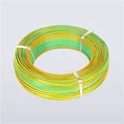
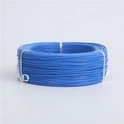
When purchasing insulated wires, if Lighting wire and household electrical wire are mixed up, it can affect product performance in small cases and cause safety hazards in large cases. Many beginners have stumbled on the choice of these two types of wires - clearly labeled as "high-quality wires", they frequently generate heat when used in lighting fixtures, and cannot meet insulation requirements when installed in household appliances. Today we will talk in detail about these two types of wires to help you avoid the pitfalls on the procurement road.
understand the core difference: Lighting wire and household electrical wire are not "universal" models
Many buyers, when they first enter the industry, think to themselves: aren't they all wires used for transmitting electrical energy? Can you choose any one of them? The answer is absolutely no. The design intention and performance requirements of these two types of wires are completely different, just like sports shoes and leather shoes, they cannot be worn together. Let's talk about their differences from three key dimensions:
Firstly, there are essential differences in usage scenarios. As the name suggests, a lighting cable is specifically tailored for lighting equipment, such as home chandeliers, commercial spotlights, outdoor landscape lights, and other scenes. Its core task is to stably transmit low-power electricity, ensuring uniform and non flickering light brightness. And the household cable has to deal with "major electricity consumers" such as refrigerators, ovens, and washing machines. It not only needs to transmit larger currents, but also withstand frequent start stop shocks during the operation of household appliances, such as instantaneous power fluctuations during microwave heating, which require stable holding of the wires.
Secondly, targeted design of materials and structures. Lighting cable typically use copper or aluminum with moderate purity as conductors due to their low power requirements. The insulation layer emphasizes flexibility and basic insulation properties, such as the commonly used PVC material, which is sufficient for bending and wiring inside the lamp. The household cable is much more robust, and the conductor must be high-purity oxygen free copper to reduce losses and heat during current transmission; The insulation layer will be made of special materials that are temperature resistant and oil resistant, such as XLPE material, which is very common. After all, the internal temperature of household appliances is prone to rise, and ordinary insulation layers cannot withstand it at all.
Finally, there are different focuses on safety standards. Lighting cable pay more attention to flame retardancy and leakage prevention. For example, when installed in enclosed spaces such as ceilings, they can quickly flame retardant in the event of a short circuit, avoiding the spread of fire. household cable have higher requirements for fatigue resistance and anti-interference, such as the insulation layer of frequently moving vacuum cleaner wires that cannot crack after repeated bending; For household appliances such as microwave ovens that emit electromagnetic radiation, the wires must also have a certain level of anti-interference ability to avoid affecting other devices.


Selection technique: Three steps to choose the right one without stepping on pitfalls
After understanding the difference, the next step is practical selection. In fact, there is no need to memorize complex parameter tables. Remember the three steps of "looking at the scene, checking authentication, and selecting materials", and you can easily choose the right one. Let's clarify step by step:
The first step is to determine the specifications based on the scenario. This is the most fundamental and crucial step. If purchasing wires for fixed lighting such as indoor chandeliers and wall lamps, a 1.5 square millimeter lighting electrical cable is sufficient. If it is an outdoor landscape lamp, an additional outdoor dedicated lighting electrical cable with a waterproof sheath should be selected to avoid water ingress and short circuits during rainy days. The choice of household appliance cable depends on the power of the appliances: low-power rice cookers, electric fans, and 2.5 square millimeters are sufficient; High power ovens and air conditioners must choose household cable of 4 square millimeters or more, otherwise they are prone to malfunction due to overload heating. Here's a reminder: don't try to save money by choosing thin wires. It may seem like you're saving costs, but after-sales problems in the later stages may not be worth the loss.
The second step is to verify based on the target market. The safety certification requirements for wires vary greatly in different countries and regions, so it is important to understand the "entry threshold" of the target market before purchasing. For example, wires exported to Europe must have CE certification, with lighting electrical cable complying with EN 50525 standards and household appliance wire passing LVD low voltage directive testing; If exported to the United States, UL certification is a hard currency, lighting electrical cable should comply with UL 1581 standards, and home appliance wire should comply with UL 62 standards; The Canadian market recognizes CSA certification, which depends on the CSA C22.2 series standards. Here's a tip: When purchasing, ask the supplier to provide a complete certification report, don't just look at the certification mark on the product, to avoid encountering "fake certified" products.
Step three, select materials based on the usage environment. In special environments, the choice of material directly determines the service life of the wire. For example, kitchen appliances often come into contact with oil and steam, so choose oil resistant and waterproof rubber insulated household wires; For lighting equipment in high-temperature workshops, high-temperature resistant silicone rubber insulated lighting electrical cable should be selected; Outdoor lighting in cold regions should choose PVC sheathed wires that are resistant to low temperatures to prevent the insulation layer from becoming brittle and cracking in winter. In addition, environmental requirements are becoming increasingly stringent, such as the EU's RoHS directive restricting the use of harmful substances. When purchasing, low smoke and halogen-free materials can be prioritized for wires, which not only meet environmental requirements but also release less harmful gases during fires.


Procurement Misconception: These 'assumptions' should not be taken for granted
Even if they master the selection skills, many people still fall into some "assumed" misconceptions when making purchases. Let's take a look at a few of the most common ones to help you prevent lightning strikes in advance:
The first misconception is that 'thicker wire diameter is better'. Many people believe that thicker wires are safer and choose the largest size in any scenario. In fact, this is completely unnecessary. Thick wires not only have higher costs, but also have poor flexibility, making them difficult to install in small spaces such as lighting fixtures and increasing equipment weight. For example, using a 4 square millimeter wire for a small desk lamp not only wastes money, but may also cause the lamp holder to loosen due to the wire being too hard. The correct approach is to match the wire diameter according to the equipment power and refer to the selection table provided by the supplier, which is both safe and economical.
The second misconception is that "Lighting wire and household electrical wire can be mixed. It is very dangerous for someone to buy a type of wire for both lighting and household appliances in order to reduce inventory types. Previously, a customer used ordinary lighting electrical wire on an oven, but within less than a month, the insulation layer melted at high temperatures, causing a short circuit. This not only resulted in the loss of a batch of household appliances, but also affected the brand's reputation. Remember, unless the wires are clearly labeled as "universal" and certified with double standards, they must not be mixed.
The third misconception is "only looking at the price and not the craftsmanship". The quality of wires is hidden in the details and craftsmanship, and it is easy to buy products that cut corners and use inferior materials at low prices. For example, some poor suppliers may lower the copper purity of the conductor or thin the insulation layer, making it look like a qualified product on the surface, but the actual service life is less than half of that of a qualified product. When purchasing, you can simply check the color of the conductor. High quality copper conductors are purple red, and those that turn black or yellow must have problems; Touching the insulation layer, a thick and smooth feel is better than a thin and rough feel; A good product is one that bends a few times and is not easily cracked.


Quality inspection tip: Conduct a "preliminary inspection" upon receiving the goods
Don't wait until the purchased wires are used on the production line to discover problems. After receiving the goods, a simple "initial inspection" can detect most quality issues in advance. These small methods do not require professional equipment and can be operated by ordinary people:
Firstly, check the identification. The outer skin of wires from legitimate manufacturers will be clearly printed with product information, including model, specifications, certification marks, production date, manufacturer name, etc., and the printing is firm and not easy to peel off with a fingernail. If the label is unclear or falls off after a few scratches, it is likely a non-standard product produced by a small workshop, and there is no negotiation for direct return.
Next is measuring the resistance. If conditions permit, find a multimeter to measure the resistance of the conductor. For wires of the same specification, the smaller the resistance, the higher the copper purity and quality. For example, a 2.5 square millimeter copper core wire should have a resistance of 0.788 ohms or less per 100 meters. Products that exceed this value are considered unqualified. If you don't have a multimeter, you can also compare the weight. For wires of the same length and specifications, those with heavier weight usually have higher copper content and better quality.
Finally, conduct a 'low-temperature test'. Especially when purchasing wires for outdoor use, this test is very necessary. Put the wire in the freezer compartment of the refrigerator and freeze it for 24 hours. After taking it out, bend it several times. If the insulation layer does not crack or fall off, it indicates that the low-temperature resistance performance is qualified; If it cracks easily when folded, it definitely cannot be used in outdoor cold environments. For the wires of household appliances, a "high temperature test" can also be conducted by blowing the hot air of a hair dryer towards the wires for a few minutes. Only products that do not feel soft or deformed are qualified.
In fact, the procurement of Lighting wire and household electrical wire is not that complicated. The core is to "prescribe the right medicine" - select the right products according to specific scenarios, and then ensure quality through certification and simple testing.
I hope this content can be helpful to all buyers and avoid unnecessary trouble. If you have any other questions, please feel free to contact us at any time( luna@ironflon.com ).