In electrical engineering, the selection of wires is a crucial decision. There are different specifications of wires, such as single core wires and multi-core wires sold in the market, each with its unique advantages and applicable scenarios. This article will provide a detailed analysis of the definitions, structures, characteristics, advantages and disadvantages, and applicable scenarios of these two types of wires to help readers make the right choices in practical engineering.
1, Definition and Structure
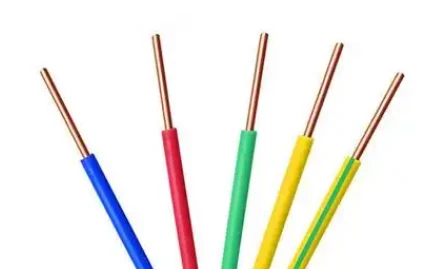
Single core wire: A single core wire is a wire composed of a conductor (usually made of copper). This conductor is wrapped in insulating material to protect current transmission and prevent short circuits. The insulation layer is usually made of materials such as FEP and XLPE, which have good insulation and heat resistance properties.
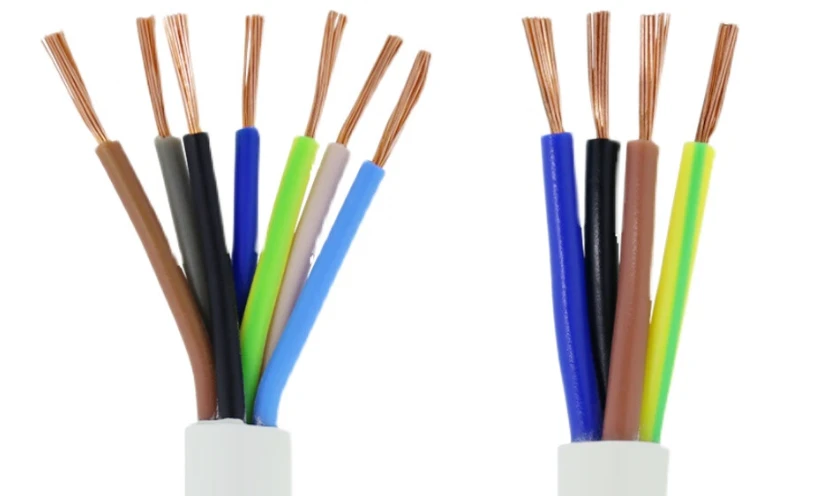
Multi core wire: A multi-core wire is a cable composed of multiple conductors, each of which is wrapped in a separate insulation material and then covered by a common outer sheath. Common multi-core wires include dual core wires, three core wires, and cables with more cores.
2, Characteristics and applicable scenarios of single core wires
advantage:
Superior conductivity: Due to the single core wire having only one conductor, current can only flow through this conductor, so there will be no interference between currents. At the same time, the conductor has a large cross-section and strong current transmission capability per unit cross-sectional area, making it particularly suitable for the transmission of DC and low-frequency AC currents.
Simple structure and low cost: The production process of single core wires is relatively simple, resulting in lower costs. It is suitable for lower voltage and current transmission, such as wiring low-power appliances such as lighting and sockets in household circuits.
High mechanical strength: Single core wires have good wear resistance and tensile properties, making them suitable for fixed wiring applications. Single core wires can perform excellently in the wiring layout, power transmission and distribution systems, and power connections of fixed equipment within buildings.
Disadvantages:
Poor flexibility: Single core wires are prone to damage when bent and are not suitable for situations where they are frequently moved or bent. During installation and maintenance, special attention should be paid to avoiding breakage.
The heat dissipation performance is average: due to having only one conductor, the heat dissipation area of a single core wire is relatively small, so it may generate a lot of heat during high current transmission, and corresponding heat dissipation measures need to be taken.
Applicable scenarios:
Wiring of low-power appliances such as lighting and sockets in household circuits
Wiring arrangement inside buildings
Power transmission and distribution system
Power connections for fixed equipment, such as wiring in switchgear and distribution boxes

3, Characteristics and Applicable Scenarios of Multi core Wires
advantage:
Good flexibility: Multi core wires can be easily bent and twisted, adapting to various complex wiring environments. It is suitable for occasions that require frequent movement or bending, such as household appliance power cords, industrial equipment connection cords, etc.
Good heat dissipation performance: There is a gap between the wires of multi-core wires, which helps with heat dissipation and reduces the accumulation of heat caused by current passing through.
Strong load capacity: Multi core wires can increase the contact area between wires, reduce resistance, decrease power consumption, and improve load capacity.
Strong anti-interference ability: In complex electromagnetic environments with high requirements for signal transmission, multi-core wires can better resist external interference and ensure the stability of signal transmission.
Disadvantages:
Relatively high price: Due to the complex production process and high material costs of multi-core wires, the price is usually higher than that of single core wires.
Complex maintenance: Multi core wires require checking the condition of each conductor, making maintenance work relatively complex. Especially at the joints, special treatment is required to prevent poor contact from causing heating.
Applicable scenarios:
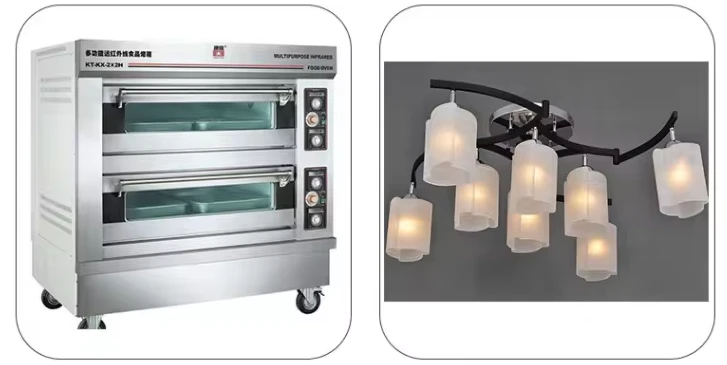
Home appliance power cord
Industrial equipment connection line
Weak current systems, communication equipment, and other electromagnetic environments with complex requirements for signal transmission
Places that require frequent movement or bending, such as automotive electrical systems, aerospace equipment, etc


4, Price difference analysis
In most cases, multi-core wires are more expensive than single core wires. This is mainly due to the following reasons:
Production process and material cost: The production process of multi-core wires is relatively complex, and it is necessary to ensure that the insulation layer of each core wire is uniform and of high quality. Meanwhile, the arrangement and fixation of core wires also require precise control, which increases production costs.
Performance and Application: Multi core wires can transmit various signals or power, suitable for situations that require high flexibility and multi signal transmission. These occasions often have high requirements for the performance of the wires, so the price will correspondingly increase.
Market demand and supply: Multi core wires are widely used in specific fields and have high production costs, so the prices of multi-core wires in the market are usually stable and high.
Brand and quality differences: wires from well-known brands often use higher quality materials and more advanced production processes, resulting in corresponding price increases.

5, Choose Suggestions
When choosing single core and multi-core wires, comprehensive consideration should be given based on specific usage scenarios and requirements:
Choose according to the usage scenario: In situations where high current transmission is required, such as power transmission and distribution systems, single core wires are a better choice. In situations where frequent movement or bending is required, as well as in complex electromagnetic environments, multi-core wires are more suitable.
Considering cost and budget: Single core wires have lower costs and are suitable for situations with limited budgets. Although multi-core wires are relatively expensive, their performance advantages are indispensable in certain situations.
Pay attention to wire quality and brand: Regardless of the type of wire chosen, ensure that it complies with relevant national standards and safety regulations. High quality wires have better performance in insulation and heat resistance, which can effectively ensure electrical safety.