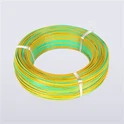
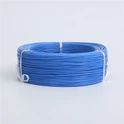
In the vast arena of modern electrical and electronic engineering, the insulation of electrical wires is like a guardian angel. It is not only for the internal conductive body to build a solid defence against moisture, chemical attack and physical wear and tear, but also a stable guarantee of the safety and efficiency of current transmission.
Today, let's unravel the mystery of these high-performance insulating materials, and at the same time shine the spotlight on those tin plated copper wire manufacturers who are quietly working to find the right insulation partner for their cables amongst the many choices available to them.
On the journey of selecting wire insulation, we need to consider a number of factors: temperature resistance level, electrical properties, mechanical strength, chemical resistance, and cost-effective considerations. In the family of common insulating materials, polyvinyl chloride (PVC) shines in conventional applications, but its temperature resistance is average, and it is somewhat weak in the face of high temperatures. However, through clever modification or the addition of additives, PVC can be rejuvenated to improve its temperature resistance.
Cross-linked polyethylene (XLPE), on the other hand, is one of the stars of the insulation world, known for its excellent heat resistance, chemical resistance and electrical properties, making it ideal for high-temperature cable insulation. Under the test of high temperatures, XLPE still maintains robust electrical properties, while showing exceptional mechanical strength, which is precisely one of the insulating materials favoured for high-temperature cables such as UL10086.
In addition, PTFE and ETFE in the fluoroplastic family are excellent partners for high temperature flexible cable because of their extraordinary temperature resistance and chemical stability, which enable them to perform well in extremely harsh environments.
As for silicone rubber insulation, it has won the favour of cables requiring high flexibility and high temperature performance due to its excellent heat resistance, cold resistance, ageing resistance and excellent elasticity.
Turning to tinned copper wire, as the heart of the wire and cable, its outer tinned layer acts as an armour, enhancing the wire's corrosion resistance and weldability, as well as boosting electrical conductivity. In the journey to create high-temperature flexible cables such as UL10086, the close co-operation between the tinned copper wire manufacturer and the insulation material supplier is just like the tacit co-operation between the swordsman and the scabbard, resisting the attack of high temperature, mechanical stress and chemical corrosion, ensuring that the cables are still able to work stably and reliably under extreme conditions.