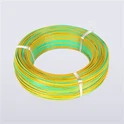
Silver Plated Copper Wire and Nickel Plated Copper Wire are two commonly used conductor types in high-temperature fluoroplastic insulated cables. Although both use copper as the conductive core, they have different characteristics in terms of conductivity, high temperature resistance, oxidation resistance, and manufacturing processing performance due to the different surface coating metals. For engineers, cable manufacturers, and industrial procurement teams, understanding these differences is an important prerequisite for selecting suitable wires for specific application environments.
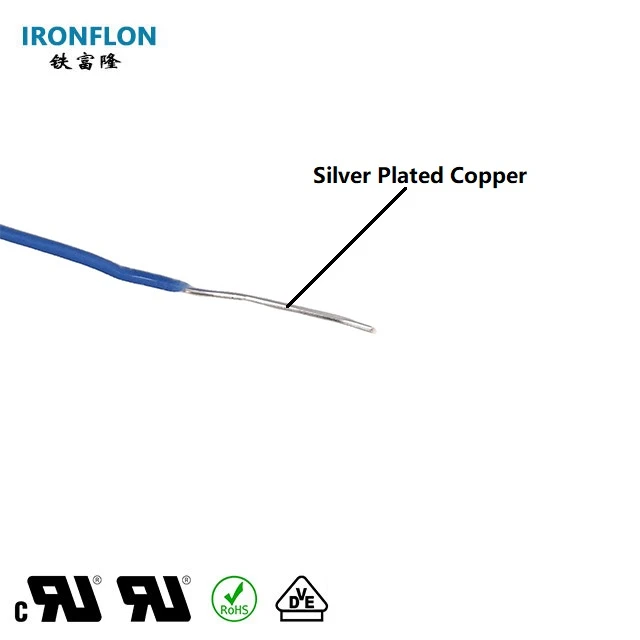
Silver Plated Copper Wire is a conductive material that forms a uniform silver coating on the surface of a copper conductor through electroplating process. The copper core is responsible for providing the main conductive channel, while the silver coating on the surface can improve the conductivity of the conductor surface and provide certain antioxidant protection in high-temperature working environments. Due to its excellent conductivity, silver plated copper wire has significant advantages in low resistance, high-frequency signal transmission, and electrical connections. At the same time, it also has good weldability, which can meet the stable electrical performance requirements of precision electronic equipment, aerospace electronic systems, communication equipment, and automotive sensors.
In the manufacturing of high-temperature wires and cables, silver plated copper wire is usually used in conjunction with fluoroplastic insulation materials such as PTFE, FEP, or PFA to meet the comprehensive requirements of conductivity, insulation, and heat resistance for internal wiring of equipment. Especially in high-frequency signal transmission and precision electrical connection scenarios, silver plating can play a good surface conductivity advantage, making it a common conductor choice in high-performance electronic cables and high-temperature connection lines.
Nickel plated copper wire deposits a nickel coating on the surface of a copper conductor, forming a protective barrier through the nickel layer to reduce the oxidation risk of the copper conductor in high temperature environments. Although nickel has lower conductivity than silver, it has a higher melting point, better surface hardness, and excellent high-temperature oxidation resistance, making it more suitable for industrial applications that require high thermal stability and surface durability. Nickel plating can also provide good corrosion protection in many industrial environments, but its specific performance still depends on the actual chemical medium and working conditions.
In practical wire and cable applications, nickel plated copper wire is usually combined with high-temperature resistant insulation materials such as PTFE, suitable for industrial heating equipment, high-temperature control systems, internal wiring of mechanical equipment, and other electrical systems that continuously withstand thermal stress. Compared with silver plated wires that place more emphasis on conductivity and high-frequency transmission, the main advantages of nickel plating are its anti-oxidation protection in high temperature environments and long-term operational stability.

How to choose suitable coating materials based on application requirements?
In the actual selection process, there is no absolute superiority or inferiority between silver plating and nickel plating. The key is whether the conductor performance meets specific application requirements. If the device has high requirements for conductivity efficiency, signal transmission quality, and welding performance, silver plating is usually a more suitable choice. Its excellent conductivity makes it suitable for high-frequency signal transmission, precision electronic connections, and applications that require high electrical stability, especially in the fields of aerospace electronic equipment, communication systems, and automotive sensors.
In contrast, if wires need to be exposed to high temperatures for a long time, or if the application scenario focuses more on the oxidation resistance and durability of the conductor surface, nickel plating has certain advantages. Nickel coating can provide a protective barrier for copper conductors, reducing the risk of oxidation in high-temperature environments, making it more suitable for industrial heating equipment, high-temperature control systems, and other electrical connection scenarios that require long-term thermal stability.
In addition to the type of conductor coating, it is also necessary to comprehensively consider the working temperature, voltage level, frequency requirements, chemical environment, mechanical conditions, and insulation materials. For example, in high-temperature wire applications, the conductor coating needs to be matched with insulation materials such as PTFE, FEP, or PFA to better meet the overall performance requirements of the finished wire. Therefore, the final selection should be based on specific equipment operating conditions and product technical specifications, rather than solely relying on coating materials for judgment.
What factors should be considered during procurement?
Selecting the appropriate conductor requires not only comparing the performance differences between silver-plated and nickel-plated options but also further verifying the product structure and manufacturing requirements. First, attention should be paid to parameters such as conductor material, conductor specifications, single wire diameter, stranding structure, and coating thickness. These factors influence the electrical performance, flexibility, mechanical stability, and long-term performance of the conductor. For projects with special electrical or mechanical requirements, purchasers should also specify the exact technical parameters and application conditions to manufacturers to ensure the product meets the design requirements.
Meanwhile, insulating materials are also a critical factor affecting the performance of finished wires. Depending on requirements such as operating temperature, chemical resistance, electrical properties, and installation space, different fluoropolymer insulating materials like PTFE, FEP, or PFA can be selected. Even with the same conductor structure, pairing it with different insulating materials may yield wire products suitable for various application environments. Therefore, during the inquiry and technical communication process, it is recommended that purchasers provide information on conductor type, insulating material, rated voltage, operating temperature, wire gauge, and required certifications.
Additionally, the manufacturer's quality control capabilities, production consistency, and customization abilities are equally noteworthy. Stable production processes help regulate conductor dimensions, coating quality, and insulation thickness, while thorough inspection procedures ensure the products meet agreed-upon technical standards. For procurement projects with special structural, specification, or performance requirements, the manufacturer's ability to provide flexible customization services and maintain stable quality during sample confirmation, mass production, and delivery will also directly impact the project's procurement efficiency.
Why choose Zhejiang IRONFLON as the manufacturer?
After clarifying the conductor type and product technical requirements, it is equally important to choose suppliers with professional manufacturing capabilities. Zhejiang IRONFLON is dedicated to the research and production of high-temperature fluoroplastic insulated wires and cables, with manufacturing technologies for fluoroplastic insulated cables such as PTFE, FEP, and ETFE, and independent intellectual property rights for related core processes. With over 20 years of engineering technology accumulation, the company continues to improve its product research and development, manufacturing, and quality control system, providing high-temperature, high-performance wire and cable solutions for different industrial fields.
In terms of production, IRONFLON has 8 independent and integrated production lines, establishing an internal production system from raw material processing to finished product manufacturing. This integrated production model helps to strengthen quality control, product traceability, and delivery cycle management in the production process. At present, the company's monthly production capacity can reach up to 7500 kilometers, which can meet the production needs of continuous batch orders, while supporting multi specification, small batch, and personalized customization projects.

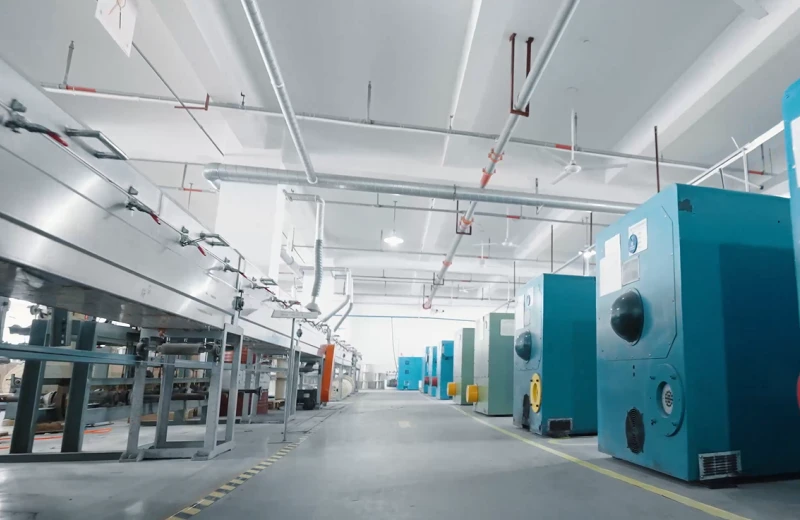


IRONFLON can provide technical communication and customized support around conductor materials, coating types, insulation materials, wire gauges, structures, and product performance to meet the application needs of different customers. Whether it is silver plated conductors that require attention to conductivity and signal transmission, or nickel plated conductors that place greater emphasis on high-temperature oxidation resistance, the company can assist customers in evaluating suitable wire structures and manufacturing solutions based on actual application conditions. With mature production capacity and global market service experience, IRONFLON's products have been exported to more than 30 countries and regions, serving fields such as aerospace, automotive, communication, electronics, and industrial equipment.
If your project is looking for silver plated copper wire, nickel plated copper wire, and high-temperature insulated wire suitable for specific temperatures, electrical performance, or industrial environments, please feel free to contact IRONFLON to provide specific product specifications and application requirements for further communication of technical solutions and customization needs.