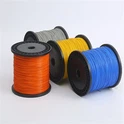
As a supplier of UL1558 tin plated ETFE insulated wire, I often get asked if this type of wire can be used in automotive electronics. Well, let's dive right into it and find out!
First off, let's talk a bit about what UL1558 ETFE insulated wire is. ETFE, or Ethylene Tetrafluoroethylene, is a high performance fluoropolymer. It's known for its excellent chemical resistance, high temperature tolerance, and good electrical insulation properties. The tin plating on the wire adds an extra layer of protection against corrosion.
Now, when it comes to automotive electronics, there are a few key factors we need to consider.
Automotive environments can get pretty hot, especially near the engine. The engine compartment can reach temperatures well over 100°C. UL1558 tin plated ETFE insulated wire is rated for high temperature applications. It can typically withstand continuous operating temperatures of up to 150°C or even higher in some cases. This means it can handle the heat generated in the automotive environment without degrading its performance. For example, if there's a need for wiring near the exhaust system or in areas close to the engine block, this wire can maintain its integrity and functionality.
Automotive fluids like gasoline, oil, and coolant are common in a vehicle. These fluids can be corrosive and damage regular wires. The ETFE insulation on the UL1558 wire is highly resistant to a wide range of chemicals. It won't break down or get damaged when it comes into contact with these automotive fluids. This is crucial because if the wire insulation fails, it can lead to short circuits, electrical malfunctions, and even safety hazards.
In automotive electronics, reliable electrical performance is a must. UL1558 wire has low capacitance and high dielectric strength. This means it can transmit electrical signals efficiently without significant signal loss. Whether it's for powering electronic components or transmitting data in the vehicle's communication systems, this wire can do the job. For instance, in modern cars with advanced infotainment systems and electronic control units, the wire needs to ensure stable electrical connections to prevent glitches and malfunctions.
Automotive wiring is often subject to vibrations, bending, and stretching. The UL1558 wire is designed to be mechanically durable. The tin plated copper conductor provides good flexibility and strength, while the ETFE insulation helps protect the wire from abrasion. This means it can withstand the rigors of the automotive environment without breaking or losing its electrical properties.


However, there are also some considerations and potential challenges.
UL1558 tin plated ETFE insulated wire is generally more expensive than some other types of automotive wires. This is due to the high performance materials used in its construction. Automotive manufacturers need to balance the cost with the performance requirements. In some cases, if the application doesn't require the extreme performance of this wire, they might opt for a more cost effective alternative.
When integrating new wiring into an existing automotive electrical system, compatibility can be an issue. The wire needs to be compatible with the connectors, terminals, and other components in the system. It's important to ensure that the wire can be properly connected and that there are no compatibility issues that could lead to electrical problems.
The automotive industry is highly regulated, and there are specific standards that wiring must meet. UL1558 is a recognized standard, but automotive manufacturers may have additional requirements. It's essential to ensure that the wire complies with all relevant automotive standards and regulations.
If you're looking for other related wire products, we also offer UL1516 High quality wire, single copper cable, and ETFE insulated copper wire. These products also have their own unique features and applications, and you can explore them further on our website.
In conclusion, UL1558 tin plated ETFE insulated wire can be used in automotive electronics. Its high temperature resistance, chemical resistance, electrical performance, and mechanical durability make it a suitable choice for many automotive applications. However, cost, compatibility, and regulatory compliance need to be carefully considered.