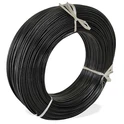
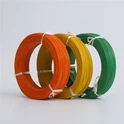
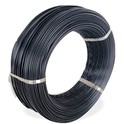
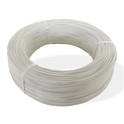
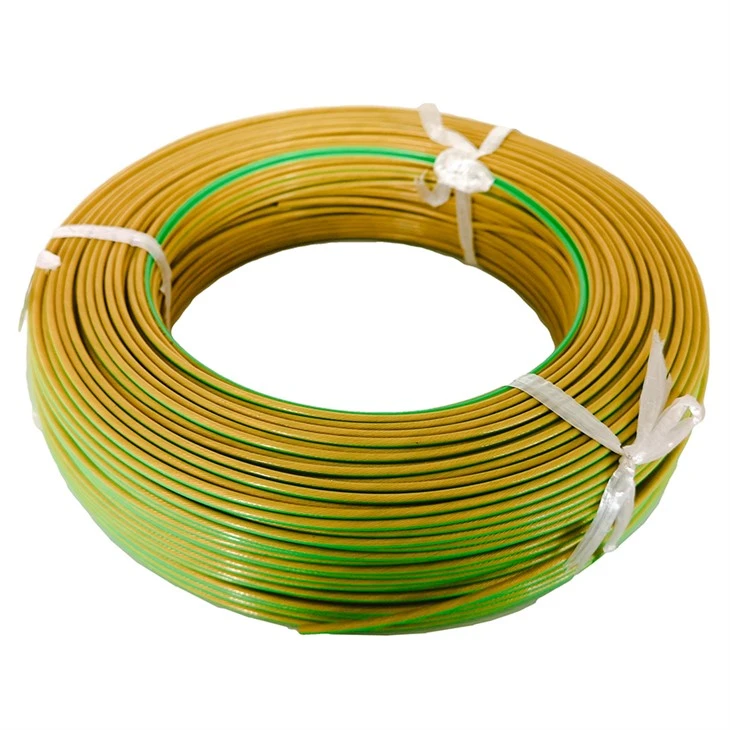
UL1643 tin plated ETFE insulated wire has gained significant attention in various industries due to its unique properties. As a supplier of this specialized wire, I often receive inquiries about its suitability for aerospace applications. In this blog, I will delve into the characteristics of UL1643 tin plated ETFE insulated wire and analyze whether it can be effectively used in the demanding aerospace field.
Understanding UL1643 Tin Plated ETFE Insulated Wire
First, let's understand what UL1643 tin plated ETFE insulated wire is. UL1643 is a standard established by Underwriters Laboratories (UL), which sets the safety and performance requirements for the wire. Tin plating on the wire provides several benefits. Tin is a corrosion - resistant metal, which can protect the underlying conductor from oxidation and other forms of corrosion. This is especially important in environments where the wire may be exposed to moisture, chemicals, or other corrosive substances.
ETFE (Ethylene Tetrafluoroethylene) is a fluoropolymer insulation material. It has excellent electrical insulation properties, high temperature resistance, and good chemical resistance. ETFE can withstand temperatures ranging from - 65°C to 150°C, which makes it suitable for a wide range of operating conditions. The combination of tin plating and ETFE insulation gives UL1643 wire a set of desirable properties for many applications.
Requirements in Aerospace Applications
Aerospace applications have extremely high requirements for materials and components. Safety is the top priority. The materials used in aerospace must be able to withstand harsh environmental conditions, including extreme temperatures, high radiation levels, and rapid pressure changes. For example, in outer space, temperatures can range from extremely cold in the shadow of a celestial body to very hot when directly exposed to the sun. Inside an aircraft, components may be exposed to high - energy radiation during high - altitude flights.
In addition to environmental resistance, aerospace components also need to have high reliability. Any failure in the electrical system can have catastrophic consequences. Therefore, the wires used in aerospace must have low failure rates and be able to maintain stable performance over long periods of time. Weight is another crucial factor in aerospace. Every additional kilogram of weight in an aircraft or spacecraft can increase fuel consumption and reduce payload capacity. So, lightweight materials are highly preferred.
Advantages of UL1643 Tin Plated ETFE Insulated Wire for Aerospace
1. Temperature Resistance
As mentioned earlier, ETFE insulation can withstand a wide range of temperatures. This makes UL1643 wire suitable for use in different parts of an aircraft or spacecraft. In the engine compartment, where temperatures can be very high, the wire can maintain its insulation properties without degrading. Similarly, in the cold outer space environment, the wire will not become brittle or lose its flexibility, ensuring reliable electrical connections.
2. Chemical Resistance
ETFE is highly resistant to many chemicals, including fuels, lubricants, and hydraulic fluids. In an aerospace environment, the wire may come into contact with these substances. The chemical resistance of UL1643 wire ensures that it will not be damaged by these chemicals, reducing the risk of short - circuits or other electrical failures.
3. Lightweight
Compared to some traditional insulation materials, ETFE is relatively lightweight. This is beneficial for aerospace applications where weight reduction is a key goal. By using UL1643 tin plated ETFE insulated wire, the overall weight of the electrical system can be reduced, which in turn can improve the fuel efficiency of an aircraft or increase the payload capacity of a spacecraft.
4. Electrical Performance
ETFE has excellent electrical insulation properties, which means that UL1643 wire can provide reliable electrical insulation. This is essential for preventing electrical interference and ensuring the proper functioning of the electrical system. The tin plating on the wire also helps to improve the conductivity of the wire, reducing power losses and heat generation.

Challenges and Limitations
1. Radiation Resistance
Although ETFE has some degree of radiation resistance, it may not be sufficient for some high - radiation aerospace applications, such as deep - space exploration. High - energy radiation can cause damage to the ETFE insulation over time, leading to a decrease in its electrical insulation properties. In such cases, additional shielding or more radiation - resistant materials may be required.
2. Cost
UL1643 tin plated ETFE insulated wire is relatively expensive compared to some other types of wires. The cost of the tin plating process and the high - quality ETFE insulation material contribute to the higher price. In aerospace projects with strict budget constraints, the cost of using this wire may be a limiting factor.
3. Certification
To be used in aerospace applications, UL1643 wire needs to meet additional aerospace - specific certifications. These certifications are often more stringent than the UL1643 standard itself. Obtaining these certifications can be a time - consuming and costly process, which may delay the implementation of the wire in aerospace projects.
Comparison with Other Wires
When considering wires for aerospace applications, it is useful to compare UL1643 tin plated ETFE insulated wire with other types of wires, such as UL10086 wire and UL10086 Teflon wire.
UL10086 wire also has certain advantages in electrical insulation and temperature resistance. However, the specific properties of UL1643 wire, such as the combination of tin plating and ETFE insulation, may give it an edge in some aspects. For example, the tin plating in UL1643 wire provides better corrosion resistance compared to some non - tin - plated wires.
UL10086 Teflon wire uses Teflon (PTFE) as the insulation material. Teflon has excellent electrical insulation and high - temperature resistance, but it is generally heavier than ETFE. In aerospace applications where weight is a critical factor, UL1643 tin plated ETFE insulated wire may be a more suitable choice.
Conclusion
In conclusion, UL1643 tin plated ETFE insulated wire has many advantages that make it a potential candidate for aerospace applications. Its temperature resistance, chemical resistance, lightweight, and good electrical performance are all beneficial for use in aircraft and spacecraft. However, it also faces some challenges, such as radiation resistance, cost, and certification requirements.
If you are involved in an aerospace project and are considering using UL1643 tin plated ETFE insulated wire, I encourage you to contact me for further discussion. We can explore how to overcome the challenges and determine if this wire is the right choice for your specific application. Whether it is to improve the performance of an existing electrical system or to design a new one, our UL1643 wire may offer a viable solution. I am eager to engage in in - depth discussions with you about your procurement needs and how we can work together to meet your project requirements.
References
- "Aerospace Electrical Systems Design Handbook", published by ABC Publishing.
- "Fluoropolymers in Aerospace Applications" - Research paper by XYZ University.
- UL1643 Standard Documentation, Underwriters Laboratories.