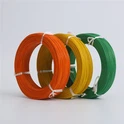
Hey there! As a supplier of UL1671 tin plated ETFE insulated wire, I often get asked if this type of wire can be used in renewable energy systems. So, I thought I'd write a blog post to shed some light on the topic.
First off, let's talk a bit about what UL1671 tin plated ETFE insulated wire is. ETFE, or ethylene tetrafluoroethylene, is a high-performance fluoropolymer. It has some really great properties like excellent chemical resistance, high temperature resistance, and good electrical insulation. The tin plating on the wire adds to its corrosion resistance, which is super important in many environments. UL1671 is a standard that this wire meets, ensuring it has passed certain safety and performance tests.
Now, let's get to the big question: Can it be used in renewable energy systems? The short answer is yes, and here's why.
Suitability for Solar Energy Systems
Solar energy is one of the most popular forms of renewable energy out there. In a solar power setup, you've got a lot going on. There are solar panels that collect sunlight and convert it into electricity, and then you need to transfer that electricity from the panels to an inverter, and from the inverter to the grid or a battery storage system.
UL1671 tin plated ETFE insulated wire is a great fit for this scenario. The high temperature resistance of the ETFE insulation is crucial because solar panels can get really hot when they're absorbing sunlight. ETFE can withstand these high temperatures without breaking down or losing its insulating properties. This means that the wire can keep doing its job of safely carrying the electrical current even in the heat of the day.
Also, the chemical resistance of ETFE is beneficial. Solar panels are often exposed to the elements, including rain, snow, and different chemicals in the air. The ETFE insulation can resist damage from these elements, ensuring the long - term reliability of the wiring. And the tin plating on the wire protects it from corrosion, which is especially important in outdoor environments where moisture can be a problem.
Use in Wind Energy Systems
Wind turbines are another major player in the renewable energy field. Inside a wind turbine, there are a lot of electrical components that need to be connected. The wiring in a wind turbine has to deal with some unique challenges.
The vibration is a big one. Wind turbines are constantly in motion, and the wiring needs to be able to withstand these vibrations without getting damaged. UL1671 tin plated ETFE insulated wire has good flexibility, which allows it to handle the vibrations better.
The temperature variations in a wind turbine can also be extreme. At the top of the turbine, the temperature can be much different from the base, especially in different weather conditions. The high - temperature resistance of the ETFE insulation and the durability provided by the tin plating ensure that the wire can perform well in these changing temperature environments. The electrical insulation properties of the wire also ensure that there are no electrical losses or short - circuits, which is critical for the efficient operation of the wind turbine.
Comparing with Other Wires
There are other wires available in the market that are used in renewable energy systems. For example, we have the UL1516 High quality wire. While it also offers good insulation and performance, UL1671 tin plated ETFE insulated wire has some unique advantages. The UL1671 standard may have more specific requirements for certain applications in renewable energy systems, such as better resistance to certain types of electrical interference.
Another option is the tinned stranded wire. It's a good choice for some general electrical connections, but when it comes to the specific needs of renewable energy systems like high - temperature and chemical resistance, UL1671 tin plated ETFE insulated wire often comes out on top.
And then there's the UL10086 Teflon wire. Teflon is also a good insulator, but ETFE has some characteristics that make it more suitable for renewable energy applications. ETFE is lighter and more flexible than some Teflon - based wires, which can be an advantage when it comes to installation in tight spaces within solar panels or wind turbines.
Cost - Benefit Analysis
When considering using UL1671 tin plated ETFE insulated wire in renewable energy systems, cost is always a factor. Sure, this type of wire may be a bit more expensive than some basic wires. But when you look at the long - term picture, it's a smart investment.
The high durability of the wire means less maintenance and replacement. You won't have to worry about the wire breaking down due to heat, chemicals, or corrosion as often. In a solar or wind energy project, the last thing you want is to have to shut down the system to replace faulty wiring. This can lead to significant losses in energy production and revenue. So, the initial higher cost of UL1671 tin plated ETFE insulated wire is offset by its long - term reliability and performance.


Installation Considerations
When installing UL1671 tin plated ETFE insulated wire in renewable energy systems, there are a few things to keep in mind. First, make sure to follow all the relevant electrical codes and standards. This ensures the safety of the entire system.
The wire should be properly routed to avoid any sharp bends or kinks. Sharp bends can damage the insulation and affect the electrical performance of the wire. Also, when making connections, use the right tools and techniques to ensure a good electrical contact.
Contact for Procurement
If you're in the market for high - quality wiring for your renewable energy projects and are interested in UL1671 tin plated ETFE insulated wire, don't hesitate to reach out. We're here to provide you with the best products and support. Whether you have questions about the wire's specifications, installation, or pricing, we've got the answers.
References
- "Handbook of Electrical Wiring Materials", John Wiley & Sons
- "Renewable Energy Systems: Design and Analysis", McGraw - Hill Education
- UL Standards for Safety Publications related to electrical wires and cables