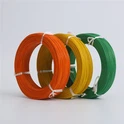
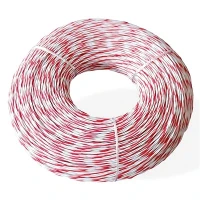
Hey there! As a supplier of UL1886 tin plated FEP insulated wire, I often get asked if this type of wire can be used in marine applications. It's a fair question, given the unique challenges that come with using electrical components in a marine environment. So, let's dive right in and explore whether UL1886 tin plated FEP insulated wire is up to the task.


Understanding UL1886 Tin Plated FEP Insulated Wire
First off, let's break down what UL1886 tin plated FEP insulated wire is all about. The UL1886 designation means that the wire has met specific safety and performance standards set by Underwriters Laboratories (UL). This certification is a big deal, as it indicates that the wire has been thoroughly tested to ensure it can operate safely in various conditions.
The tin plating on the wire serves several purposes. Tin is a corrosion - resistant metal, which helps to protect the underlying conductor from rust and other forms of degradation. It also improves the wire's solderability, making it easier to connect to other electrical components.
Fluorinated ethylene propylene (FEP) is used as the insulation material. FEP is an excellent insulator with high chemical resistance, low friction, and a wide operating temperature range. It can withstand temperatures from - 200°C to 200°C, making it suitable for many different applications where extreme temperatures are a concern.
Challenges in Marine Applications
Marine environments are tough on electrical components. There are several factors that can cause problems for wires and cables:
- Saltwater Exposure: Saltwater is highly corrosive. When wires are exposed to saltwater, the salt can react with the metal conductors and insulation materials, causing corrosion, insulation breakdown, and ultimately, electrical failures.
- Moisture and Humidity: High levels of moisture and humidity in the air can seep into electrical components, leading to short circuits and other electrical issues.
- Temperature Fluctuations: Marine environments can experience significant temperature changes, from cold nights to hot days. These temperature swings can cause the materials in the wire to expand and contract, potentially leading to mechanical stress and insulation damage.
- Vibration and Movement: Boats and other marine vessels are subject to constant vibration and movement. This can cause the wires to flex and bend, which may lead to wire fatigue and breakage over time.
Advantages of UL1886 Tin Plated FEP Insulated Wire for Marine Applications
Despite the challenges, UL1886 tin plated FEP insulated wire has several features that make it a good candidate for marine applications:
- Corrosion Resistance: The tin plating on the wire provides a protective barrier against saltwater corrosion. This helps to extend the lifespan of the wire and reduces the likelihood of electrical failures due to corrosion.
- Chemical Resistance: FEP insulation is highly resistant to chemicals, including saltwater and other marine - related contaminants. This means that the insulation is less likely to break down or degrade when exposed to these substances.
- Temperature Tolerance: As mentioned earlier, FEP has a wide operating temperature range. This allows the wire to perform well in the various temperature conditions found in marine environments, from cold ocean waters to hot engine rooms.
- Flexibility: The wire is often designed to be flexible, which is important in marine applications where the wiring may need to be routed around tight spaces and subjected to vibration and movement.
Limitations and Considerations
While UL1886 tin plated FEP insulated wire has many advantages, there are also some limitations and considerations to keep in mind:
- Cost: FEP - insulated wires tend to be more expensive than other types of insulation materials. This can be a factor when considering large - scale marine installations where cost is a major concern.
- Installation Requirements: Proper installation is crucial to ensure the wire's performance in a marine environment. The wire should be installed in a way that minimizes exposure to direct contact with saltwater and moisture. This may require the use of protective conduits or enclosures.
Some Product Options
If you're considering using UL1886 tin plated FEP insulated wire in your marine project, we also offer related products. Check out our 2 Core Flexible Copper Wire, which provides more flexibility for your wiring needs. For single - conductor applications, our single core flexible wire is a great choice. And if you need a wire that can handle high temperatures, take a look at our high heat resistant cable.
Conclusion and Call to Action
So, can UL1886 tin plated FEP insulated wire be used in marine applications? The answer is yes, with proper installation and consideration of the limitations. Its corrosion resistance, chemical resistance, temperature tolerance, and flexibility make it a strong candidate for many marine electrical systems.
If you're interested in learning more about our UL1886 tin plated FEP insulated wire or any of our other products, we'd love to hear from you. Whether you're working on a small boat project or a large - scale marine installation, we can provide the right wiring solutions for your needs. Reach out to us to start a conversation about your requirements and explore how our products can fit into your project.
References
- Underwriters Laboratories (UL) documentation on UL1886 standards
- Technical literature on FEP insulation materials
- Industry reports on marine electrical systems and wiring requirements