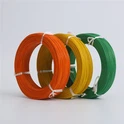
As a supplier of UL10584 single core copper wire, I often encounter questions about the proper disposal of used wires. In this blog, I'll share some scientific and reasonable methods for disposing of used UL10584 wires, aiming to provide a comprehensive guide for both environmental protection and resource utilization.
UL10584 single core copper wire is a type of electrical wire that meets the UL10584 standard. It is commonly used in a variety of electrical applications due to copper's excellent conductivity and durability. The single core design makes it suitable for specific wiring needs where a single conductor is required.
Why Proper Disposal Matters
Improper disposal of used UL10584 single core copper wire can have several negative impacts. Firstly, copper is a valuable natural resource. When disposed of in landfills, this resource is wasted instead of being recycled and reused. Secondly, the insulation materials on the wire may contain harmful substances such as heavy metals and chemicals. If these materials are not properly managed, they can leach into the soil and groundwater, causing environmental pollution and potential health risks to humans and wildlife. Therefore, proper disposal is essential for both environmental protection and resource conservation.
Disposal Methods
Recycling
- Collection and Sorting
- Gather all the used UL10584 single core copper wires. Make sure to separate them from other types of wires and materials. This can be done by visually inspecting the wires and checking for the UL10584 markings.
- If possible, sort the wires based on their insulation types. Different insulation materials may require different recycling processes.
- Insulation Removal (Optional)
- Some recycling facilities prefer to receive the copper wire without insulation. You can use a wire stripper to remove the insulation. However, this process can be time consuming, especially for a large quantity of wires.
- If you don't have the equipment or the time to remove the insulation, many recycling centers can do it for you.
- Finding a Recycling Center
- Look for a reputable recycling center that accepts copper wires. You can check online directories or contact your local waste management department for recommendations.
- Before taking the wires to the recycling center, call ahead to confirm their requirements and hours of operation.
- Delivery and Recycling Process
- Take the sorted and prepared wires to the recycling center. The center will weigh the wires and pay you based on the current market price of copper.
- At the recycling center, the copper will be melted down and purified to remove any impurities. The purified copper can then be used to manufacture new copper products, including single core multi strand flexible copper cable.
Reuse
- DIY Projects
- If the wire is still in good condition, you can use it for DIY electrical projects. For example, you can use it to build a simple electrical circuit for a small device or a home automation project.
- Make sure to follow all electrical safety guidelines when using the wire for DIY projects.
- Donation
- You can donate the used but still functional UL10584 single core copper wire to schools, community centers, or non profit organizations. They may use the wire for educational purposes or small scale electrical projects.


Hazardous Waste Disposal (in Special Cases)
In some rare cases, the used UL10584 single core copper wire may be considered hazardous waste. This can happen if the wire has been exposed to certain chemicals or if it has a damaged insulation that contains harmful substances.
- Identification
- If you suspect that the wire is hazardous waste, look for signs such as discoloration, a strong chemical odor, or visible damage to the insulation.
- Contacting a Hazardous Waste Disposal Company
- Contact a licensed hazardous waste disposal company. They will have the expertise and equipment to handle the disposal safely.
- Provide the company with detailed information about the wire, including its condition and any potential hazards.
Environmental and Economic Benefits of Proper Disposal
Environmental Benefits
- Resource Conservation: Recycling copper reduces the need for mining new copper ore. Mining is a resource intensive and environmentally damaging process. By recycling, we can conserve natural resources and reduce the environmental impact of mining.
- Reduction of Pollution: When copper wires are recycled or properly disposed of, the risk of pollution from heavy metals and chemicals in the insulation is minimized. This helps to protect soil, water, and air quality.
Economic Benefits
- Revenue from Recycling: Recycling copper wires can generate revenue. The value of copper in the market can provide a financial incentive for proper disposal.
- Cost Savings in Manufacturing: Using recycled copper in the manufacturing process can be more cost effective than using newly mined copper. This can lead to cost savings for industries that use copper products.
Conclusion
Proper disposal of used UL10584 single core copper wire is crucial for environmental protection and resource utilization. Whether through recycling, reuse, or proper hazardous waste disposal, we can ensure that these valuable resources are managed in a sustainable way.
As a supplier of UL10584 single core copper wire, I'm committed to providing high quality products and also promoting responsible disposal methods. If you have any questions about our products or need more information on wire disposal, feel free to reach out. We're always here to help you make the best decisions for your electrical wiring needs. Whether you're looking for unsheathed copper wire or high voltage flexible cable, we can offer professional advice and high quality solutions. Contact us for procurement discussions and let's work together to meet your electrical requirements.
References
- "Copper Recycling: A Sustainable Solution for the Future", Copper Development Association
- "Electrical Wire Disposal Guidelines", Environmental Protection Agency