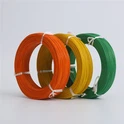
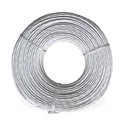
Hey there! I'm a supplier of single core copper wire, and I often get asked about how to ground single core copper wire. It's a crucial aspect, especially when it comes to safety and the proper functioning of electrical systems. So, I thought I'd share some insights on this topic.
First off, let's understand why grounding single core copper wire is so important. Grounding provides a path for electrical current to flow safely into the earth in case of a fault. This helps prevent electrical shocks, reduces the risk of fires, and protects electrical equipment from damage. Without proper grounding, electrical systems can become extremely dangerous.
Now, let's dive into the steps of grounding single core copper wire.
Step 1: Choose the Right Grounding Conductor
The grounding conductor is what connects the single core copper wire to the ground. It's important to select a conductor that can handle the electrical current safely. A common choice is a copper grounding rod. Copper is a great conductor of electricity and is resistant to corrosion, which makes it ideal for long - term use. The size of the grounding rod depends on the electrical load and local electrical codes.


Another option is using a grounding wire. You can use a bare copper wire as a grounding wire. The gauge of the wire should be appropriate for the electrical system. For smaller electrical systems, a 10 - gauge or 12 - gauge bare copper wire might be sufficient. But for larger systems, you may need a thicker wire, like an 8 - gauge or even 6 - gauge wire.
Step 2: Prepare the Grounding Location
Before you start connecting the single core copper wire to the ground, you need to prepare the grounding location. If you're using a grounding rod, you'll need to drive it into the ground. The depth of the grounding rod is crucial. In most cases, it should be driven at least 8 feet into the ground. This ensures good contact with the earth and provides a reliable grounding path.
You can use a sledgehammer or a post - hole digger to drive the grounding rod into the ground. Make sure the rod is straight and firmly in place. If the soil is very hard, you may need to wet the soil around the area where you're driving the rod to make it easier.
If you're using a grounding wire, you need to find a suitable location where you can connect the wire to a metal object that is in contact with the earth. This could be a metal water pipe or a metal structural component of a building that is grounded.
Step 3: Connect the Single Core Copper Wire to the Grounding Conductor
Once the grounding location is prepared, it's time to connect the single core copper wire to the grounding conductor. If you're using a grounding rod, you can use a grounding clamp. A grounding clamp is a metal device that securely attaches the single core copper wire to the grounding rod. Make sure the clamp is tightened properly to ensure good electrical contact.
If you're using a grounding wire, you can connect the single core copper wire to the grounding wire using a wire nut or a crimp connector. A wire nut is a simple and effective way to join two wires together. Just twist the single core copper wire and the grounding wire together and then screw on the wire nut. A crimp connector, on the other hand, uses a special tool to compress a metal sleeve around the two wires, creating a strong and reliable connection.
Step 4: Check the Grounding Connection
After connecting the single core copper wire to the grounding conductor, it's important to check the grounding connection. You can use a grounding tester to measure the resistance of the grounding system. A low resistance indicates a good grounding connection. The acceptable resistance value depends on the electrical system and local codes, but generally, a resistance of less than 25 ohms is considered good.
If the resistance is too high, you may need to check the connections. Make sure the grounding clamp is tightened properly or the wire nut is securely attached. You may also need to add more grounding rods or improve the contact between the grounding conductor and the earth.
Types of Single Core Copper Wire for Grounding
As a single core copper wire supplier, I offer different types of single core copper wire that are suitable for grounding.
One option is the unsheathed copper wire. This wire is great for grounding because it has a bare copper surface, which allows for direct electrical contact. It's also flexible and easy to work with, making it a popular choice for DIY electrical projects.
Another type is the single core multi strand flexible copper cable. This cable consists of multiple strands of copper wire bundled together, which makes it more flexible than a solid single core wire. It's ideal for applications where the wire needs to be bent or moved around, such as in some industrial electrical systems.
The UL10584 single core wire is also a good option. It meets specific safety standards, which means it's designed to be used safely in electrical systems. This wire is suitable for both residential and commercial grounding applications.
Safety Precautions
When grounding single core copper wire, safety should be your top priority. Always turn off the power before you start working on the electrical system. This helps prevent electrical shocks. Wear appropriate safety gear, such as insulated gloves and safety glasses.
Make sure you follow all local electrical codes and regulations. Electrical codes are in place to ensure the safety of the electrical system and the people using it. If you're not confident in your ability to ground the single core copper wire safely, it's best to hire a professional electrician.
Conclusion
Grounding single core copper wire is an important part of any electrical system. By following the steps I've outlined above, you can ensure a safe and reliable grounding connection. Whether you're a DIY enthusiast or a professional electrician, choosing the right single core copper wire and following proper grounding procedures is crucial.
If you're interested in purchasing high - quality single core copper wire for your grounding needs, feel free to reach out. I'm here to help you find the right product for your specific requirements. Whether it's the unsheathed copper wire, single core multi strand flexible copper cable, or UL10584 single core wire, I've got you covered. Let's have a chat about your project and see how I can assist you.
References
- National Electrical Code (NEC)
- Electrical Wiring Handbook by Charles R. Miller
- Handbook of Electrical Safety Requirements