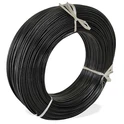
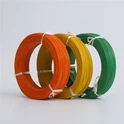
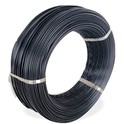
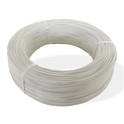
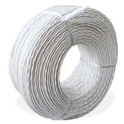
As a supplier of UL10308 single core copper wire, I've seen firsthand the importance of conductivity in electrical applications. Conductivity is a measure of a material's ability to conduct an electric current, and in the case of copper wire, it directly impacts the efficiency and performance of electrical systems. In this blog post, I'll share some insights on how to improve the conductivity of UL10308 single core copper wire, based on my experience in the industry.

Understanding the Basics of Conductivity
Before we dive into the methods of improving conductivity, it's essential to understand the factors that affect it. Conductivity is primarily determined by the material's atomic structure and the presence of impurities. Copper is an excellent conductor of electricity because of its atomic structure, which allows electrons to move freely through the material. However, impurities in the copper can disrupt the flow of electrons, reducing conductivity.
The conductivity of a wire is also affected by its cross-sectional area and length. A larger cross-sectional area provides more space for electrons to flow, increasing conductivity. Conversely, a longer wire has more resistance, which reduces conductivity. Therefore, when choosing UL10308 single core copper wire, it's important to consider the wire's gauge (cross-sectional area) and length to ensure optimal conductivity.
Selecting High-Quality Copper
The quality of the copper used in the wire is one of the most critical factors in determining its conductivity. High-purity copper has fewer impurities, which allows electrons to flow more freely through the material. As a supplier, I always ensure that the copper used in our UL10308 single core copper wire is of the highest quality. We source our copper from reputable suppliers who adhere to strict quality control standards.
One way to ensure the quality of the copper is to look for copper that has been refined to a high degree. Electrolytic tough pitch (ETP) copper is a common choice for electrical applications because it has a purity level of at least 99.9%. This high level of purity ensures excellent conductivity and makes it suitable for a wide range of applications.
Optimizing the Manufacturing Process
The manufacturing process also plays a crucial role in determining the conductivity of the wire. During the manufacturing process, the copper is drawn through a series of dies to reduce its diameter and increase its length. This process can introduce stress and impurities into the wire, which can reduce conductivity.

To minimize these effects, it's important to use a high-quality manufacturing process that minimizes stress and impurities. At our company, we use state-of-the-art manufacturing equipment and techniques to ensure that our UL10308 single core copper wire is produced with the highest level of quality. We also conduct rigorous quality control checks at every stage of the manufacturing process to ensure that the wire meets our strict standards.
Maintaining the Wire Properly
Proper maintenance of the wire is essential to ensure its long-term conductivity. Exposure to moisture, heat, and chemicals can cause the copper to oxidize, which can reduce conductivity. Therefore, it's important to store the wire in a dry, cool place and avoid exposing it to harsh environmental conditions.
When installing the wire, it's also important to use proper techniques to prevent damage to the wire. For example, avoid bending the wire too sharply or applying excessive force, as this can cause the wire to break or become damaged. Additionally, make sure to use the correct connectors and terminals to ensure a secure and reliable connection.
Using Conductivity-Enhancing Coatings
Another way to improve the conductivity of UL10308 single core copper wire is to use conductivity-enhancing coatings. These coatings can be applied to the surface of the wire to reduce the resistance and improve the flow of electrons.
One common type of conductivity-enhancing coating is tin plating. Tin plating can improve the corrosion resistance of the wire and reduce the contact resistance at the connectors. Another option is silver plating, which has even higher conductivity than tin plating. However, silver plating is more expensive than tin plating, so it's typically used in applications where high conductivity is required.
Comparing with Similar Products
It's also worth comparing UL10308 single core copper wire with similar products to understand its performance and advantages. For example, UL10316 Single Core Copper Wire and UL10358 Single Core Copper Wire are also single core copper wires with different specifications.
UL10316 single core copper wire may have different insulation materials or temperature ratings, which can affect its performance in different applications. Similarly, UL10358 single core copper wire may have unique features that make it suitable for specific requirements. By comparing these products, customers can make more informed decisions based on their specific needs.
Conclusion
Improving the conductivity of UL10308 single core copper wire is essential for ensuring the efficiency and performance of electrical systems. By selecting high-quality copper, optimizing the manufacturing process, maintaining the wire properly, and using conductivity-enhancing coatings, you can significantly improve the conductivity of the wire.
As a supplier of UL10308 Single Core Copper Wire, I'm committed to providing high-quality products that meet the needs of our customers. If you're interested in learning more about our UL10308 single core copper wire or have any questions about improving conductivity, please feel free to contact us for further discussion and potential procurement opportunities.
References
- "Electrical Conductivity of Metals." HyperPhysics. Georgia State University.
- "Copper: Properties and Applications." International Copper Association.
- "Wire and Cable Handbook." Third Edition. CRC Press.