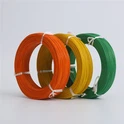
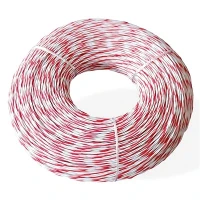
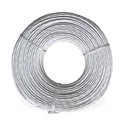
As a supplier of UL1558 tin plated ETFE insulated wire, ensuring the quality of our products is of utmost importance. UL1558 tin plated ETFE insulated wire is widely used in various electrical and electronic applications due to its excellent electrical properties, high temperature resistance, and chemical stability. In this blog, I will share with you some effective methods to test the quality of UL1558 tin plated ETFE insulated wire.
1. Visual Inspection
The first step in testing the quality of UL1558 tin plated ETFE insulated wire is a visual inspection. This is a simple yet crucial process that can reveal many potential issues.
- Surface Appearance: Check the surface of the wire for any visible defects such as scratches, cracks, or uneven plating. The tin plating should be smooth and uniform, without any signs of peeling or blistering. A rough or inconsistent surface may indicate poor manufacturing processes or damage during handling.
- Color and Finish: The color of the tin plating should be consistent throughout the wire. Any discoloration, such as dark spots or patches, could be a sign of oxidation or contamination. A bright and shiny finish is generally a good indication of high - quality plating.
- Dimensions: Measure the diameter and length of the wire to ensure they meet the specified requirements. Deviations from the standard dimensions can affect the wire's electrical performance and compatibility with other components.
2. Electrical Performance Testing
Electrical performance is one of the most critical aspects of UL1558 tin plated ETFE insulated wire. The following tests can help evaluate its electrical properties:
- Resistance Testing: Use a multimeter to measure the resistance of the wire. The resistance should be within the specified range according to the wire's gauge and length. Higher than normal resistance may indicate poor conductivity, which could be caused by issues such as improper tin plating or damage to the conductor.
- Insulation Resistance Testing: This test measures the resistance of the insulation material. A high insulation resistance value indicates good insulation performance, which is essential for preventing electrical leakage and short - circuits. Insulation resistance can be measured using an insulation resistance tester.
- Capacitance Testing: Capacitance is an important parameter for wires used in high - frequency applications. Excessive capacitance can cause signal attenuation and interference. A capacitance meter can be used to measure the capacitance of the wire, and the results should be compared with the design specifications.
3. Mechanical Testing
Mechanical properties are also vital for the quality of UL1558 tin plated ETFE insulated wire, as the wire may be subjected to various mechanical stresses during installation and use.
- Tensile Strength Testing: This test measures the maximum amount of tensile force the wire can withstand before breaking. A wire with high tensile strength is more likely to withstand pulling and stretching without damage. Tensile strength testing can be performed using a tensile testing machine.
- Flexibility Testing: Bend the wire multiple times to assess its flexibility. The insulation should not crack or peel off during bending. Good flexibility is important for applications where the wire needs to be routed around corners or through tight spaces.
- Abrasion Resistance Testing: Rub the wire against a rough surface to evaluate its abrasion resistance. The insulation should be able to withstand a certain amount of abrasion without exposing the conductor. Abrasion resistance is crucial for wires that may come into contact with other objects during use.
4. Temperature and Chemical Resistance Testing
UL1558 tin plated ETFE insulated wire is often used in environments with extreme temperatures and exposure to various chemicals. Therefore, testing its temperature and chemical resistance is necessary.
- Temperature Resistance Testing: Place the wire in an oven or a temperature - controlled chamber and subject it to high and low temperatures for a certain period. Observe the wire for any signs of deformation, cracking, or changes in electrical properties. The wire should be able to maintain its performance within the specified temperature range.
- Chemical Resistance Testing: Immerse the wire in different chemicals, such as solvents, acids, and alkalis, for a specific time. Check for any changes in the appearance, mechanical properties, or electrical performance of the wire. Good chemical resistance ensures the wire's durability in harsh chemical environments.
5. Flame Resistance Testing
Flame resistance is a critical safety feature for UL1558 tin plated ETFE insulated wire, especially in applications where fire hazards are a concern.
- Vertical Flame Test: This test involves suspending the wire vertically and applying a flame to the bottom of the wire for a specified time. Observe the wire's burning behavior, such as the time it takes to self - extinguish and the amount of flaming droplets. The wire should meet the relevant flame - retardant standards.
Comparison with Similar Products
It's also beneficial to compare the UL1558 tin plated ETFE insulated wire with similar products in the market, such as UL10086 Tin Plated ETFE Insulated Wire, kabel 22, and kabel 600V. By comparing their performance, price, and features, customers can make more informed decisions.


Conclusion
Testing the quality of UL1558 tin plated ETFE insulated wire is a comprehensive process that involves visual inspection, electrical performance testing, mechanical testing, temperature and chemical resistance testing, and flame resistance testing. By conducting these tests, we can ensure that our products meet the highest quality standards and provide reliable performance in various applications.
If you are interested in our UL1558 tin plated ETFE insulated wire or have any questions about the quality testing process, please feel free to contact us for further discussion and procurement negotiation. We are committed to providing you with high - quality products and excellent service.
References
- ASTM International standards related to wire testing
- UL standards for electrical wires and cables
- Manufacturer's technical specifications for UL1558 tin plated ETFE insulated wire