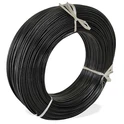
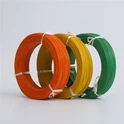
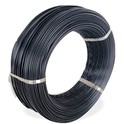
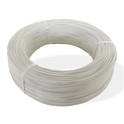
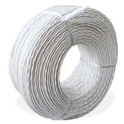
Yo, if you're in the market for UL1886 tin plated FEP insulated wire, you've come to the right place. I'm a supplier of this stuff, and I've seen my fair share of issues that can pop up with it. So, let's dive into how to troubleshoot problems with UL1886 tin plated FEP insulated wire.
Understanding the Basics
First off, let's quickly go over what UL1886 tin plated FEP insulated wire is. The UL1886 is a standard that this wire meets, which ensures it has certain safety and performance characteristics. The tin plating on the wire helps with things like corrosion resistance and soldering. And the FEP insulation is great because it's super flexible, has a high melting point, and is resistant to chemicals.
Common Problems and Solutions
1. Insulation Damage
One of the most common problems you might encounter is insulation damage. This can happen during installation, handling, or due to some external factors. If you notice that the FEP insulation has cuts, tears, or abrasions, it's a big deal. The insulation is there to protect the wire from short - circuiting and other electrical issues.
Solution:
- Minor Damage: If the damage is minor, like a small cut, you can use a high - quality electrical tape to cover the affected area temporarily. But keep in mind, this is just a short - term fix. For a more permanent solution, you can use a heat - shrink tubing. Just make sure to choose a tubing that's compatible with the FEP insulation. Slip the tubing over the damaged area and use a heat gun to shrink it down.
- Major Damage: If the damage is extensive, you'll probably need to replace the wire section. Cut out the damaged part and splice in a new piece of UL1886 tin plated FEP insulated wire. Make sure to follow proper splicing techniques to maintain the integrity of the wire.
2. Tin Plating Issues
The tin plating on the wire can also face problems. It might start to flake off, or you could notice some discoloration. Flaking tin can cause issues with electrical conductivity, and discoloration could be a sign of corrosion or improper storage.
Solution:
- Flaking Tin: If the tin plating is flaking off, it's likely due to rough handling or mechanical stress. In this case, you may need to replace the affected wire. Before replacing, check if there are any sharp edges or objects that could have caused the flaking in the first place and remove them.
- Discoloration: Discoloration of the tin plating can be a result of exposure to moisture or chemicals. If it's just a light discoloration, you can try cleaning the wire with a mild, non - abrasive cleaner. But if the corrosion is severe, replacement is the best option.
3. Electrical Conductivity Problems
Sometimes, you might find that the wire isn't conducting electricity as it should. This could manifest as intermittent power, low voltage, or even a complete loss of electrical connection.
Solution:
- Check Connections: First, check all the connections at both ends of the wire. Loose connections can cause conductivity issues. Make sure the terminals are tightly secured and that there's no dirt or debris between the wire and the terminal.
- Test the Wire: Use a multimeter to test the continuity of the wire. If the multimeter shows an open circuit, it means there's a break in the wire. You'll need to find the break and either splice the wire or replace it.
Compatibility with Other Components
Another thing to consider is the compatibility of the UL1886 tin plated FEP insulated wire with other components in your system. For example, if it's being used in a circuit with other types of wires or electrical devices, there could be issues.
1. Voltage and Current Ratings
Make sure that the voltage and current ratings of the UL1886 wire are compatible with the rest of the system. If the wire is rated for a lower voltage or current than what the system is supplying, it can overheat and cause problems.
Solution:
Check the specifications of the wire and the other components. If there's a mismatch, you may need to upgrade the wire to one with higher ratings or adjust the system to operate within the wire's limits.
2. Chemical Compatibility
The FEP insulation is resistant to many chemicals, but it's still important to make sure it won't react with any chemicals in the environment where it's being used. For example, if it's installed in an area where there are strong acids or solvents, it could damage the insulation.


Solution:
Research the chemical environment and choose a wire with appropriate chemical resistance. If necessary, use additional protective measures like enclosures or coatings.
Other Troubleshooting Tips
1. Temperature Considerations
The FEP insulation on the UL1886 wire has a high melting point, but extreme temperatures can still affect its performance. If the wire is exposed to very high or very low temperatures for an extended period, it can cause issues.
Solution:
- High Temperatures: If the wire is in a high - temperature environment, make sure there's proper ventilation. You can also use heat shields or insulation blankets to protect the wire.
- Low Temperatures: In cold environments, the wire can become more brittle. Make sure the installation is done carefully to avoid any bending or stress that could cause the insulation to crack.
2. Environmental Factors
Things like humidity, dust, and UV exposure can also impact the wire. High humidity can lead to corrosion, dust can accumulate on the wire and cause overheating, and UV exposure can degrade the insulation over time.
Solution:
- Humidity: Use moisture - resistant enclosures or coatings. You can also install dehumidifiers in the area to keep the humidity levels in check.
- Dust: Regularly clean the wire and the surrounding area. You can use compressed air to blow away the dust.
- UV Exposure: If the wire is exposed to sunlight, use UV - resistant jackets or enclosures to protect the insulation.
Related Products
If you're also looking for other types of wires, we've got some great options. Check out our insulated nichrome heating wire, high temperature heat resistant wire, and high temperature heating cable. These products are designed to meet different needs and can be a great addition to your electrical projects.
Conclusion and Call to Action
Troubleshooting problems with UL1886 tin plated FEP insulated wire might seem a bit daunting at first, but with the right knowledge and approach, you can handle most issues. Remember, if you're ever in doubt, don't hesitate to reach out. As a supplier, I'm here to help you get the most out of your wire and ensure your projects run smoothly. Whether you need more information about troubleshooting, want to place an order, or just have some questions, feel free to contact me. Let's work together to find the best solutions for your electrical needs.
References
- Electrical Wiring Handbook
- FEP Insulation Technical Manual