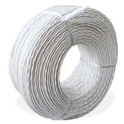
Is UL10064 tin plated FEP insulated wire suitable for automotive electronics?
As a supplier of UL10064 tin plated FEP insulated wire, I often get asked about the suitability of this product for automotive electronics. In this blog post, I'll delve into the characteristics of UL10064 tin plated FEP insulated wire and assess its viability for use in the automotive electronics industry.
Understanding UL10064 Tin Plated FEP Insulated Wire
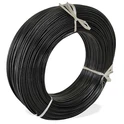
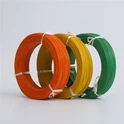
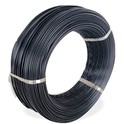
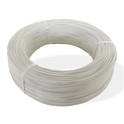
UL10064 tin plated FEP insulated wire is a specialized type of wire that combines the benefits of tin plating and FEP (Fluorinated Ethylene Propylene) insulation. Tin plating offers excellent corrosion resistance, solderability, and electrical conductivity. It helps protect the underlying copper conductor from oxidation and other environmental factors, ensuring long - term reliability.
FEP insulation, on the other hand, is known for its outstanding electrical properties. It has a very low dielectric constant and dissipation factor, which means it can minimize signal loss, making it ideal for high - frequency applications. FEP also has a wide operating temperature range, typically from - 200°C to +200°C, and is highly resistant to chemicals, moisture, and UV radiation.
Requirements of Automotive Electronics
Automotive electronics systems are becoming increasingly complex and sophisticated. They include a wide range of components such as engine control units (ECUs), infotainment systems, advanced driver - assistance systems (ADAS), and lighting systems. These systems have several key requirements:
- Reliability: Automotive electronics need to operate reliably in harsh environments, including extreme temperatures, vibrations, and exposure to chemicals and moisture. A single failure in an electronic system can have serious consequences for vehicle safety and performance.
- Electrical Performance: High - quality electrical performance is essential to ensure accurate signal transmission and power delivery. This includes low resistance, low capacitance, and minimal signal interference.
- Space and Weight Constraints: With the increasing number of electronic components in modern vehicles, there is a need to minimize the space and weight occupied by wiring harnesses.
Suitability of UL10064 Tin Plated FEP Insulated Wire for Automotive Electronics
1. Environmental Resistance
The tin plating on UL10064 wire provides excellent protection against corrosion, which is crucial in automotive applications where the wire may be exposed to road salt, moisture, and other corrosive substances. The FEP insulation's resistance to chemicals and moisture further enhances the wire's durability in harsh automotive environments. Additionally, its wide temperature range allows it to function properly in both extremely cold and hot conditions, such as in an engine compartment or during cold winter drives.
2. Electrical Performance
The low dielectric constant and dissipation factor of FEP insulation make UL10064 wire well - suited for high - frequency signals, which are commonly used in automotive communication systems like CAN (Controller Area Network) and LIN (Local Interconnect Network). The tin - plated conductor ensures good electrical conductivity, reducing power loss and heat generation. This is especially important in power - hungry automotive electronics such as ECUs.
3. Size and Flexibility
UL10064 tin plated FEP insulated wire can be manufactured in various gauges, allowing for flexibility in design to meet the space and weight requirements of automotive wiring harnesses. Its relatively thin insulation layer compared to some other materials can save space, while still providing excellent electrical insulation.
Potential Challenges
However, there are also some potential challenges when using UL10064 tin plated FEP insulated wire in automotive electronics. The cost of FEP insulation is relatively high compared to other common insulation materials, which may increase the overall cost of the wiring harness. Additionally, FEP is a relatively soft material, which means it may require additional protection in applications where there is a high risk of mechanical damage, such as in areas prone to abrasion.
Comparison with Other Wires
When considering alternatives, there are other types of wires available in the market. For example, wear resistant wire is designed specifically to withstand abrasion, which could be beneficial in automotive applications where the wire may rub against other components. Industrial flexible cable offers high flexibility, which is useful in areas where the wire needs to bend frequently. And 2C Wire may have different electrical characteristics that could be more suitable for certain specific automotive applications.
Conclusion
In conclusion, UL10064 tin plated FEP insulated wire has many advantages that make it a strong candidate for automotive electronics. Its environmental resistance, electrical performance, and flexibility in design are well - aligned with the requirements of modern automotive systems. Although there are some challenges such as cost and potential mechanical vulnerability, these can often be mitigated through proper design and installation.


If you are in the automotive electronics industry and are considering using UL10064 tin plated FEP insulated wire for your projects, I encourage you to contact us for more information. We can provide samples, technical specifications, and discuss how our product can meet your specific needs. Our team of experts is ready to assist you in making the best choice for your automotive wiring requirements. Let's have a dialogue to explore how our UL10064 tin plated FEP insulated wire can enhance the performance and reliability of your automotive electronics.
References
- "Automotive Electrical and Electronic Systems" by John F. Kershaw
- "Fluoropolymers: Synthesis, Properties, and Applications" edited by L. A. Wall