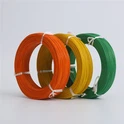
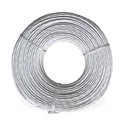
In the realm of electrical wiring, the suitability of a wire for specific applications is a critical consideration. One such wire that often comes under scrutiny for low - temperature applications is the UL1886 tin plated FEP insulated wire. As a supplier of this specialized wire, I am well - versed in its properties and capabilities, and I'm here to explore whether it is indeed suitable for low - temperature environments.
Understanding UL1886 Tin Plated FEP Insulated Wire
Before delving into its performance in low - temperature scenarios, let's first understand what UL1886 tin plated FEP insulated wire is. The UL1886 designation indicates that the wire meets the safety standards set by Underwriters Laboratories (UL), a globally recognized organization for product safety testing and certification. The tin plating on the wire serves multiple purposes. It enhances the wire's corrosion resistance, improves solderability, and provides a certain level of electrical conductivity.
FEP, or fluorinated ethylene propylene, is the insulation material used in this wire. FEP is a type of fluoropolymer known for its excellent electrical insulation properties, chemical resistance, and high - temperature stability. It has a smooth surface, which reduces friction and makes it suitable for applications where the wire may need to be routed through tight spaces or where there is a risk of abrasion.
Low - Temperature Properties of FEP Insulation
One of the key factors in determining the suitability of UL1886 tin plated FEP insulated wire for low - temperature applications is the behavior of the FEP insulation at low temperatures. FEP has a relatively low glass transition temperature (Tg), which is the temperature at which a polymer transitions from a hard, glassy state to a more flexible, rubbery state. The Tg of FEP is around - 20°C to - 30°C.
At temperatures above its Tg, FEP retains its flexibility and mechanical properties. This means that the wire can bend and flex without cracking or losing its insulation integrity. However, as the temperature approaches and drops below the Tg, FEP becomes more brittle. In extreme cold, there is a risk of the insulation cracking if the wire is subjected to mechanical stress, such as bending or vibration.
The tin plating on the wire also plays a role in low - temperature performance. Tin has a relatively high melting point (about 232°C), but its mechanical properties can change at low temperatures. At very low temperatures, tin can become more brittle, which may affect the overall durability of the wire. However, in most low - temperature applications, the tin plating remains intact and continues to provide corrosion resistance and solderability.
Advantages of UL1886 Tin Plated FEP Insulated Wire in Low - Temperature Applications
Despite the potential challenges related to low - temperature brittleness, UL1886 tin plated FEP insulated wire offers several advantages for low - temperature applications.
Electrical Performance
FEP insulation maintains its excellent electrical insulation properties even at low temperatures. It has a low dielectric constant and low dissipation factor, which means that it can effectively insulate the wire and minimize electrical losses. This is crucial in applications where electrical performance is critical, such as in aerospace, telecommunications, and high - precision instrumentation.
Chemical Resistance
FEP is highly resistant to a wide range of chemicals, including solvents, acids, and bases. In low - temperature environments, where there may be a risk of chemical exposure, the chemical resistance of FEP insulation helps to protect the wire from damage. For example, in cold storage facilities or chemical processing plants, the wire can withstand exposure to various chemicals without degrading.
Moisture Resistance
FEP has a very low moisture absorption rate, which makes UL1886 tin plated FEP insulated wire suitable for applications where there is a risk of moisture ingress. In low - temperature environments, moisture can freeze and cause damage to the wire. However, the moisture - resistant properties of FEP prevent water from penetrating the insulation and causing electrical shorts or corrosion.
Applications of UL1886 Tin Plated FEP Insulated Wire in Low - Temperature Environments
There are several industries and applications where UL1886 tin plated FEP insulated wire can be used in low - temperature conditions.
Aerospace
In the aerospace industry, wires are subjected to extreme temperature variations, including low temperatures during high - altitude flights or in space. UL1886 tin plated FEP insulated wire can be used in aircraft wiring systems, avionics, and satellite applications. Its electrical performance, chemical resistance, and moisture resistance make it a reliable choice for these critical applications.
Cold Storage Facilities
Cold storage facilities, such as refrigerated warehouses and freezers, require wiring that can withstand low temperatures. UL1886 tin plated FEP insulated wire can be used for lighting, temperature control systems, and other electrical equipment in these facilities. Its ability to maintain its mechanical and electrical properties at low temperatures ensures reliable operation.
Scientific Research
In scientific research, particularly in fields such as cryogenics and low - temperature physics, there is a need for wiring that can function at extremely low temperatures. UL1886 tin plated FEP insulated wire can be used in experimental setups, sensors, and data acquisition systems. Its electrical insulation properties and chemical resistance make it suitable for these demanding applications.
Considerations and Limitations
While UL1886 tin plated FEP insulated wire has many advantages for low - temperature applications, there are also some considerations and limitations that need to be taken into account.
Mechanical Stress
As mentioned earlier, at temperatures below the glass transition temperature of FEP, the insulation becomes more brittle. Therefore, it is important to avoid subjecting the wire to excessive mechanical stress, such as sharp bends or high - frequency vibrations, in low - temperature environments. If the wire needs to be bent, it should be done carefully, and the bending radius should be in accordance with the manufacturer's recommendations.
Temperature Range
The suitable temperature range for UL1886 tin plated FEP insulated wire in low - temperature applications depends on the specific requirements of the application. In general, it can be used at temperatures down to - 20°C to - 30°C without significant loss of performance. However, for applications where the temperature drops below this range, additional precautions may be needed, such as using a different insulation material or providing additional thermal protection.
Comparison with Other Wires
To better understand the suitability of UL1886 tin plated FEP insulated wire for low - temperature applications, it is useful to compare it with other types of wires.
Teflon stranded wire is another option for low - temperature applications. Teflon, or polytetrafluoroethylene (PTFE), is also a fluoropolymer with excellent electrical insulation properties. However, PTFE has a higher melting point than FEP and may be more suitable for applications where very high temperatures are also a concern. On the other hand, FEP is more flexible than PTFE at low temperatures, which can be an advantage in applications where the wire needs to be routed through tight spaces.
UL10064 Wire is also designed for specific applications. It may have different insulation materials or construction, which can affect its low - temperature performance. UL10064 wire may be more suitable for applications where different electrical or mechanical requirements are needed.
Waterproof power cable is often used in applications where moisture protection is a primary concern. While UL1886 tin plated FEP insulated wire has good moisture resistance, a waterproof power cable may have additional features, such as a waterproof jacket, which can provide extra protection in wet or submerged environments.
Conclusion
In conclusion, UL1886 tin plated FEP insulated wire can be suitable for many low - temperature applications, especially those where electrical performance, chemical resistance, and moisture resistance are important. However, it is important to consider the limitations of the wire, particularly the potential for brittleness at very low temperatures and the need to avoid excessive mechanical stress.
If you are considering using UL1886 tin plated FEP insulated wire for your low - temperature application, I encourage you to contact me for more detailed information and to discuss your specific requirements. I can provide technical support and help you determine the best wire solution for your needs. Whether you are in the aerospace, cold storage, or scientific research industry, I am confident that I can offer a high - quality wire product that meets your specifications.


References
- "Handbook of Fluoropolymer Science and Technology"
- Underwriters Laboratories Standards for Electrical Wires and Cables
- Technical data sheets from FEP insulation material manufacturers