Hey there! As a supplier of single core copper wire, I often get asked if single core copper wire is corrosion resistant. It's a great question, and one that I'm happy to dive into.
First off, let's talk about copper itself. Copper is a pretty amazing metal. It's highly conductive, which is why it's so commonly used in electrical wiring. But what about its resistance to corrosion? Well, copper has a natural ability to form a protective layer on its surface when exposed to air. This layer, called a patina, acts as a barrier that helps prevent further corrosion.
In normal atmospheric conditions, single core copper wire can hold up pretty well. The patina that forms on the copper is usually a greenish color, and you've probably seen it on old copper statues or roofs. This patina is actually beneficial because it slows down the corrosion process. So, in a dry, indoor environment, single core copper wire can last for a really long time without significant corrosion.
However, things get a bit more complicated when the wire is exposed to certain conditions. For example, if the wire is in a high humidity environment, or if it comes into contact with chemicals, the corrosion rate can increase. Moisture can accelerate the oxidation process, and chemicals like acids or salts can react with the copper and break down the protective patina.
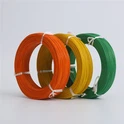
Let's take a look at some of the different types of single core copper wire we offer. We have the UL10584 single core wire. This wire is designed for specific applications, and in many cases, it's coated to enhance its corrosion resistance. The coating acts as an extra layer of protection on top of the natural patina, which can be really useful in environments where the wire might be exposed to moisture or mild chemicals.
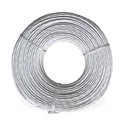
Then there's the unsheathed copper wire. As the name suggests, it doesn't have a sheath, which means it's more directly exposed to the environment. While the copper will still form a patina, in harsh conditions, it might be more vulnerable to corrosion compared to sheathed wires. But in a clean, dry environment, it can still be a great option.
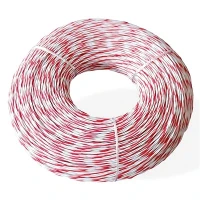
Our single core multi strand flexible copper cable is another interesting product. The multiple strands give it flexibility, which is useful in many applications. And just like the other types of single core copper wire, it has the basic corrosion resistant properties of copper. But because of its structure, it might have a slightly different corrosion behavior. The spaces between the strands could potentially trap moisture, which could increase the risk of corrosion if not properly managed.
To improve the corrosion resistance of single core copper wire, there are a few things we can do. One is to use coatings. We can apply a thin layer of a protective material on the wire, such as a polymer coating. This coating can prevent moisture and chemicals from reaching the copper surface. Another option is to store the wire properly. Keeping it in a dry, cool place can significantly reduce the risk of corrosion.
When it comes to choosing the right single core copper wire for your project, you need to consider the environment it will be in. If it's going to be in a harsh environment, like an industrial setting with lots of chemicals or high humidity, you might want to go for a coated wire. On the other hand, if it's for a simple indoor electrical project, an unsheathed wire could be sufficient.
I also want to mention that regular inspection is important. Even if the wire is corrosion resistant, over time, the protective patina or coating can wear off. By inspecting the wire periodically, you can catch any signs of corrosion early and take appropriate action.
So, is single core copper wire corrosion resistant? The answer is yes, to a certain extent. In normal conditions, copper's natural ability to form a patina gives it good corrosion resistance. But in harsh environments, additional measures might be needed to ensure its long term performance.
If you're in the market for single core copper wire, we're here to help. We have a wide range of products to suit different needs and environments. Whether you're working on a small DIY project or a large scale industrial installation, we can provide you with the right wire. If you have any questions or want to discuss your requirements, don't hesitate to reach out. We're more than happy to have a chat and help you find the best solution for your project.