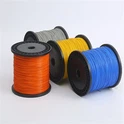
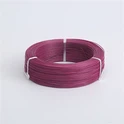
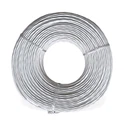
Hey there! As a supplier of ETFE insulated wire, I often get asked about the testing methods for this kind of wire. So, I thought I'd share some insights on that in this blog post.
First off, let's talk about what ETFE insulated wire is. ETFE stands for Ethylene Tetrafluoroethylene. It's a high - performance fluoropolymer that offers excellent chemical resistance, high temperature tolerance, and good electrical insulation properties. These wires are used in a variety of applications, from aerospace to industrial equipment.

Visual Inspection
One of the most basic testing methods is visual inspection. It might sound simple, but it's super important. When we receive raw materials or before we ship out the finished ETFE insulated wire, we take a good look at it. We check for any obvious defects like cuts, nicks, or abrasions on the insulation. A damaged insulation can lead to electrical leakage or short - circuits, which are big no - nos.
We also look at the color and consistency of the insulation. Any discoloration could indicate a problem with the manufacturing process or exposure to something that might have degraded the ETFE. For example, if the wire has been exposed to high levels of UV light or certain chemicals, it might change color.
Dimensional Testing
Dimensional accuracy is crucial for ETFE insulated wire. We measure the diameter of the conductor and the thickness of the insulation. Using precision measuring tools like calipers, we make sure that the wire meets the specified dimensions.
If the conductor diameter is too small, it can increase the resistance of the wire, leading to power losses and overheating. On the other hand, if the insulation thickness is not up to the mark, it won't provide adequate electrical insulation. For instance, our UL10126 ETFE Insulated Wire has very strict dimensional requirements to ensure its performance in high - end applications.
Electrical Testing
This is where things get a bit more technical. One of the key electrical tests is the insulation resistance test. We use a megohmmeter to measure the resistance between the conductor and the insulation. A high insulation resistance indicates good insulation quality. If the resistance is too low, it means there might be a problem with the insulation, such as moisture ingress or a manufacturing defect.

Another important electrical test is the dielectric strength test. In this test, we apply a high voltage to the wire for a specific period. The wire should be able to withstand this voltage without breaking down. This test helps us ensure that the wire can handle the electrical stress it will face in real - world applications.

Temperature Testing
ETFE insulated wire is known for its ability to handle high temperatures. We conduct temperature testing to verify this. We place the wire in a temperature - controlled chamber and gradually increase the temperature. We monitor the wire's performance, such as its electrical properties and the integrity of the insulation, at different temperature levels.
For example, we check if the insulation starts to melt or become brittle at high temperatures. Our UL10125 Tin Plated ETFE Insulated Wire is designed to work in high - temperature environments, so temperature testing is a must to ensure its reliability.
Chemical Resistance Testing
Since ETFE has excellent chemical resistance, we test the wire's ability to withstand exposure to various chemicals. We immerse the wire in different chemical solutions for a certain period and then check for any signs of degradation.
We look at things like changes in the insulation's physical properties, such as its hardness or flexibility, and also measure any changes in the electrical properties. This helps us ensure that the wire can be used in chemical - rich environments without getting damaged.
Flame Resistance Testing
Flame resistance is a critical property, especially in applications where fire safety is a concern. We conduct flame tests according to relevant standards. In a typical test, we expose the wire to a flame for a specified time and then measure how quickly the flame spreads and whether the wire self - extinguishes.
Our UL1670 Tin Plated ETFE Insulated Wire is required to meet strict flame - resistance standards, and these tests help us guarantee that it does.
Aging Testing
To simulate the long - term performance of the wire, we perform aging tests. We expose the wire to accelerated aging conditions, such as high temperature, high humidity, and UV light. By doing this over a relatively short period, we can predict how the wire will perform over its expected lifespan.
After the aging process, we conduct the same electrical, mechanical, and chemical tests to see if there are any significant changes in the wire's properties. This helps us ensure that our ETFE insulated wires will remain reliable over time.
Conclusion
As you can see, there are multiple testing methods for ETFE insulated wire. Each test plays a crucial role in ensuring the quality, performance, and safety of the wire. At our company, we take these tests very seriously to provide our customers with the best - quality products.
If you're in the market for high - quality ETFE insulated wire, whether it's for aerospace, industrial, or other applications, don't hesitate to reach out. We're here to answer your questions and help you find the right wire for your needs. Let's start a conversation and see how we can work together to meet your requirements.

References
- ASTM International standards related to wire testing
- UL standards for electrical wire safety