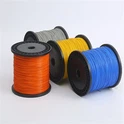
XLPE (Cross-Linked Polyethylene) insulated wire is a critical component in modern power systems, offering numerous advantages such as high dielectric strength, excellent thermal resistance, and long service life. As a supplier of XLPE insulated wire, I have witnessed firsthand the diverse applications of this remarkable product in various power system scenarios. In this blog post, I will explore the typical applications of XLPE insulated wire in power systems, shedding light on its unique properties and benefits.
Substation Power Distribution
A substation serves as the core node for voltage conversion and power distribution in the power grid. The internal circuits of the substation need to withstand the rated load, instantaneous overvoltage, and electromagnetic interference for an extended period, demanding extremely high requirements for the electrical stability and flame retardancy of the insulation wires. XLPE insulated wires, with their 90°C long-term allowable operating temperature and short-term overload resistance temperature of 130°C, combined with their low dielectric loss and high breakdown field strength electrical properties, can effectively prevent corona aging and reduce leakage hazards.
In practical engineering, XLPE insulated wires are mostly used in transformer low-voltage lead-out lines, internal cross-connections of high and low voltage switch cabinets, secondary circuits of distribution panels, control lines of relay protection, and auxiliary wiring of bus ducts. Compared to conventional insulation wires, their halogen-free flame retardant property can reduce the release of toxic gases and thick smoke in fire conditions, lowering the secondary damage to station equipment and the risk of personnel rescue; at the same time, the material has excellent aging resistance, eliminating the need for frequent maintenance and replacement, which meets the design requirements for the long-term stable operation of the substation.
Underground Power Transmission
With the intensification of urban land utilization, overhead power lines are gradually being replaced by underground direct burial, cable trenches, and integrated pipe galleries for power transmission. Underground wiring faces multiple challenges such as damp soil, acid-base corrosion, and mechanical compression. The XLPE insulation layer is dense and has no pores, which can effectively prevent the infiltration of groundwater, soil salts, and corrosive media, avoiding insulation failure caused by moisture and deterioration of the insulation layer. This is also the core advantage of it replacing traditional oil-paper insulated wire materials.
In this scenario, XLPE insulated wires are mainly used for the main lines of urban medium and low-voltage power distribution networks, underground power supply circuits in industrial parks, auxiliary power supply lines for subways and tunnels, as well as overhead-to-ground burial projects in old urban areas. They have strong flexibility in laying, can be adapted to various construction methods such as direct burial, conduit installation, and cable trays, and have no oil leakage or oil seepage risks. The design service life of the lines can reach over 30 years, significantly reducing the frequency of underground line excavation and maintenance, and meeting the engineering requirements for the long-term stable operation of urban underground spaces.

Renewable Energy Systems
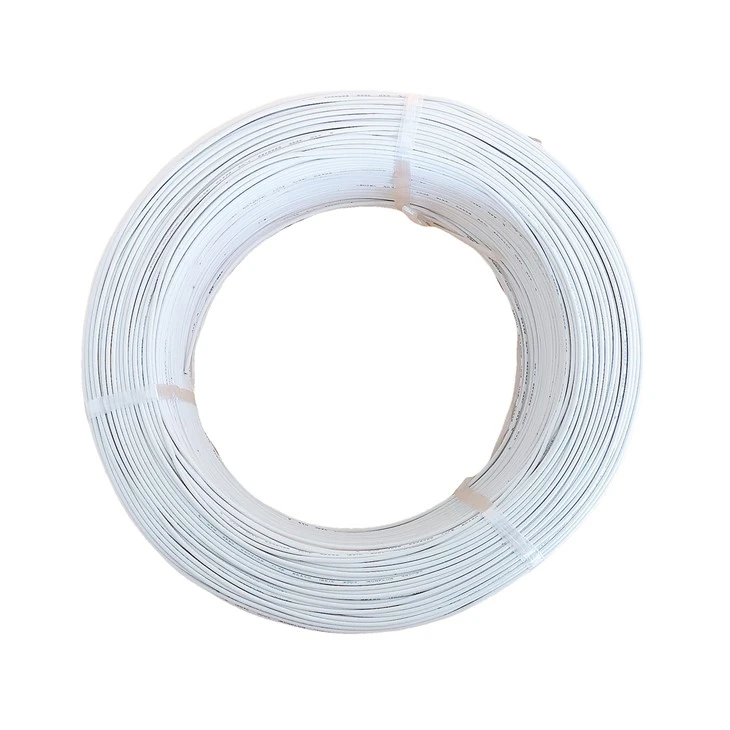
New energy power stations such as photovoltaic and wind power stations are mostly located in harsh environments like outdoor deserts, coastal mudflats, and mountain windbreaks. The lines need to withstand ultraviolet radiation, drastic temperature variations between day and night, high humidity and salt fog, as well as mechanical vibrations. Ordinary insulating wires are prone to cracking, aging, and insulation degradation. XLPE insulating materials have excellent weather resistance and wide temperature adaptability. Their operating temperature range can cover -40°C to 125°C, making them the preferred wire material for the grid connection circuits of new energy sources.
In photovoltaic power stations, XLPE insulated wires are commonly used for component series connection, wiring from the DC side of the inverter to the DC side of the transformer, and the AC transmission circuits from the array to the power station. They protect the photovoltaic conversion process from outdoor ultraviolet aging and temperature variations, ensuring the efficiency of power transmission. In wind power systems, they are mainly used for wiring inside the wind turbine cabin, vertical connection of the tower cylinder, and connection lines of the box transformer. They can withstand mechanical vibrations caused by the start and stop of the wind turbines and oil erosion, ensuring the stable transmission of wind power to the grid. In addition, XLPE materials do not contain heavy metals and are recyclable and degradable, fully aligning with the green and low-carbon construction concept of new energy projects and meeting the environmental certification requirements of domestic and foreign green power projects.
Industrial Power Systems
In industrial scenarios such as metallurgy, petrochemicals, equipment manufacturing, and mining, there are common problems like high temperature, high humidity, dust, chemical corrosion, and mechanical wear, which place extremely high demands on the tolerance of power distribution cables. XLPE insulated cables possess the characteristics of resisting acid and alkali, oil contamination, and mechanical tearing, and can withstand various physical and chemical erosion in industrial environments, suitable for the high-temperature working conditions of equipment operating at full load for a long time.
In practical applications, these types of cables are used for the main power lines in factory workshops, motor leads, power circuits of frequency converters, explosion-proof power distribution lines in chemical industrial parks, and non-explosion-proof power supply systems in mines underground. Their excellent heat resistance can prevent insulation aging caused by long-term overload heating of the lines, and the compliant flame-retardant properties can reduce the risk of fire spread in industrial production, minimize production losses due to line failures, and meet the continuous operation requirements of industrial sites.
Building Wiring
Modern buildings, especially high-rise structures and densely populated areas, have strict requirements for the fire safety, environmental protection, and space utilization of wiring. XLPE insulated wires have a thin and lightweight insulation layer, and their current-carrying capacity is superior to that of PVC wires of the same specification. This allows for the saving of wiring space. The halogen-free and low-smoke product releases only a small amount of non-toxic smoke when burning, significantly increasing the probability of people escaping in fire situations, and has become the mainstream choice for building power distribution.
This application scenario covers indoor strong current wiring in residential buildings, power distribution main lines in shopping malls and hotels, power supply circuits in data centers, and control circuits in intelligent buildings, etc. Compared to traditional wiring materials, XLPE insulated wires have stable insulation performance, effectively eliminating safety hazards such as line leakage and overload heating, and meeting the centralized power supply needs of modern building high-power appliances and intelligent equipment, while balancing safety and practicality.
Product Recommendations
UL3266 XLPE insulated stranded copper wire
UL3266 is a conventional medium and low voltage XLPE wire, with a rated voltage of 300V and a long-term working temperature of 125℃. It uses a flame-retardant XLPE insulation formula and passes the VW-1 vertical combustion test. It complies with the RoHS and REACH environmental regulations. This wire is mainly designed for versatility, with an easily removable insulation layer and convenient construction. It has outstanding cost-effectiveness and is suitable for general applications such as secondary control circuits in substations, internal wiring in industrial equipment, wiring for building distribution boxes and lamps, and internal connections of photovoltaic inverters. It is a basic selection for medium and low voltage environments in non-extreme conditions.
UL3321 High Frequency Cable
UL3321 adopts an irradiation cross-linking XLPE insulation process, further upgrading its mechanical strength and heat resistance. It has a rated voltage of 600V and a long-term working temperature of up to 150℃. It possesses excellent aging resistance and vibration resistance. It is designed for high-temperature and high mechanical stress conditions and is suitable for applications such as industrial motor leads, wind turbine tower wiring, high-temperature equipment distribution, and internal wiring in substation high-voltage cabinets. It can withstand long-term high temperatures and mechanical fatigue, ensuring the long-term reliability of the line.
UL10368 High temperature cable
UL10368 uses XLPE insulation material, with a rated voltage of 300V and a long-term working temperature of 105℃. It passes the FT2 horizontal combustion test. Its core advantages are low smoke, non-toxic, and halogen-free. When burning, it does not release corrosive halogenated hydrogen gas. It is specifically designed for densely populated and enclosed space scenarios, suitable for wiring in high-rise buildings, hospitals, schools, data centers, etc. It combines environmental friendliness and fire safety, meeting the compliance requirements of high-end buildings and public facilities.
Conclusion
From power grid hub substations to underground transmission arteries; XLPE Insulated Wire has become an indispensable core wire in modern power systems, with its versatile performance, from green new energy power stations, to strict industrial production lines, and even to power distribution in residential buildings. It balances safety, energy efficiency, environmental protection, and economy, perfectly adapting to the differentiated needs of different scenarios, and completely solving the pain points of traditional insulation wire aging quickly, temperature difference resistance, and weak adaptability to working conditions.