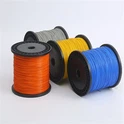
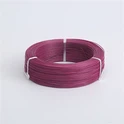
When it comes to electrical wiring, the conductor size of UL10584 single core copper wire is a critical factor that can significantly impact the performance and safety of electrical systems. As a trusted supplier of UL10584 single core copper wire, I understand the importance of providing accurate information about conductor size to our customers. In this blog post, I will delve into the details of conductor size for UL10584 single core copper wire, exploring its significance, how it is determined, and the key considerations when selecting the appropriate size.
The Significance of Conductor Size
The conductor size of a wire refers to the cross - sectional area of the copper conductor within the wire. It plays a vital role in determining the wire's electrical properties, including its current - carrying capacity, resistance, and voltage drop. A larger conductor size generally means lower resistance, which in turn allows the wire to carry more current without overheating. This is crucial for preventing electrical fires and ensuring the efficient operation of electrical equipment.
For UL10584 single core copper wire, which is commonly used in various electrical applications, choosing the right conductor size is essential. Whether it's for residential wiring, commercial installations, or industrial machinery, the correct conductor size ensures that the wire can handle the electrical load safely and effectively.
Determining the Conductor Size
The conductor size of UL10584 single core copper wire is typically specified using the American Wire Gauge (AWG) system. The AWG system assigns a numerical value to each wire size, with smaller numbers representing larger wire diameters. For example, a 10 AWG wire has a larger cross - sectional area than a 14 AWG wire.
To determine the appropriate conductor size for a specific application, several factors need to be considered:
1. Current - Carrying Capacity
The current - carrying capacity, also known as ampacity, is the maximum amount of electrical current that a wire can safely carry without exceeding its temperature rating. This is determined by the wire's conductor size, insulation material, ambient temperature, and the method of installation. As a general rule, larger conductor sizes have higher ampacities. For instance, a 12 AWG UL10584 single core copper wire can typically carry more current than a 16 AWG wire under the same conditions.
2. Voltage Drop
Voltage drop occurs when electrical current flows through a wire and encounters resistance. This results in a decrease in voltage along the length of the wire. Excessive voltage drop can cause electrical equipment to operate inefficiently or even malfunction. To minimize voltage drop, a larger conductor size is often required, especially for long wire runs or high - current applications.
3. Application Requirements
The specific requirements of the electrical application also influence the choice of conductor size. For example, in applications where flexibility is crucial, such as in high voltage flexible cable, a smaller conductor size may be preferred to maintain flexibility. On the other hand, applications with high power demands, like industrial machinery, may require larger conductor sizes to handle the high current.
Common Conductor Sizes for UL10584 Single Core Copper Wire
Some of the common conductor sizes for UL10584 single core copper wire include 18 AWG, 16 AWG, 14 AWG, 12 AWG, and 10 AWG. Each size has its own characteristics and is suitable for different applications:
- 18 AWG: This is a relatively small conductor size, often used for low - current applications such as control circuits, signal wiring, and some small - scale electronic devices.
- 16 AWG: It has a slightly larger cross - sectional area than 18 AWG and can handle more current. It is commonly used in lighting circuits and some household appliances.
- 14 AWG: A popular choice for general - purpose residential wiring, 14 AWG wire can carry moderate amounts of current and is suitable for outlets, switches, and some small - to - medium - sized appliances.
- 12 AWG: With a larger conductor size, 12 AWG wire has a higher ampacity and is often used for circuits that require more power, such as kitchen appliances, air conditioners, and some power tools.
- 10 AWG: This is a larger conductor size, typically used for high - power applications like electric ranges, electric dryers, and some industrial equipment.
Key Considerations When Selecting Conductor Size
When selecting the conductor size for UL10584 single core copper wire, it's important to keep the following points in mind:
1. Code Compliance
Electrical codes and standards, such as the National Electrical Code (NEC) in the United States, specify the minimum conductor sizes for different applications. It's essential to ensure that the selected conductor size complies with these codes to guarantee the safety and legality of the electrical installation.
2. Future Expansion
Consider the potential for future expansion of the electrical system. If there is a possibility of adding more electrical equipment or increasing the electrical load in the future, it may be wise to choose a slightly larger conductor size to accommodate the additional demand.
3. Cost
Larger conductor sizes generally cost more than smaller ones due to the increased amount of copper used. While it's important to choose the right conductor size for safety and performance, it's also necessary to balance the cost with the requirements of the application.
Our UL10584 Single Core Copper Wire Offerings
As a leading supplier of UL10584 single core wire, we offer a wide range of conductor sizes to meet the diverse needs of our customers. Our wires are manufactured to the highest quality standards, ensuring excellent electrical performance and reliability.


We also provide unsheathed copper wire options for applications where a bare conductor is required. Our team of experts is always available to assist you in selecting the right conductor size for your specific application, taking into account all the relevant factors.
Conclusion
The conductor size of UL10584 single core copper wire is a crucial aspect of electrical wiring. By understanding its significance, how it is determined, and the key considerations when selecting the appropriate size, you can make informed decisions for your electrical projects. Whether you're a professional electrician, an electrical engineer, or a DIY enthusiast, choosing the right conductor size ensures the safety, efficiency, and reliability of your electrical systems.
If you're in the market for high - quality UL10584 single core copper wire or need assistance in selecting the right conductor size, we invite you to contact us for a detailed discussion. Our team is dedicated to providing you with the best solutions for your electrical needs.
References
- National Electrical Code (NEC)
- American Wire Gauge (AWG) standards
- UL 10584 product specifications