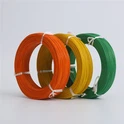
In the dynamic landscape of electrical wiring, understanding the technical specifications of products is crucial for ensuring safety, efficiency, and compliance. As a trusted supplier of UL10584 single core copper wire, I am often asked about the corona resistance of this particular product. In this blog post, I will delve into the concept of corona resistance, explain its significance for UL10584 single core copper wire, and discuss how it impacts the performance and reliability of electrical systems.
What is Corona Resistance?
Corona is a phenomenon that occurs when an electrical discharge takes place in a gas, typically air, surrounding a conductor carrying a high voltage. This discharge is characterized by a faint glow and a hissing sound, and it can cause damage to the insulation material over time. Corona resistance, therefore, refers to the ability of an insulation material to withstand the effects of corona discharge without significant degradation.
When a high voltage is applied to a conductor, the electric field around it can become strong enough to ionize the surrounding air molecules. This ionization creates a conductive path for the current to flow through the air, resulting in a corona discharge. The energy released during this discharge can cause the insulation material to break down, leading to increased leakage current, reduced insulation resistance, and ultimately, failure of the electrical system.
Importance of Corona Resistance in UL10584 Single Core Copper Wire
UL10584 single core copper wire is commonly used in a variety of electrical applications, including power distribution, control circuits, and telecommunications. In many of these applications, the wire may be exposed to high voltages, making corona resistance a critical property.
One of the main reasons why corona resistance is important for UL10584 single core copper wire is to ensure the long-term reliability of the electrical system. When the insulation material is damaged by corona discharge, it can lead to premature failure of the wire, which can result in costly downtime and repairs. By using a wire with high corona resistance, the risk of insulation breakdown is significantly reduced, increasing the lifespan of the wire and the overall reliability of the system.
Another important aspect of corona resistance is its impact on safety. Corona discharge can generate ozone, a highly reactive gas that can be harmful to human health and the environment. In addition, the heat generated by the corona discharge can increase the temperature of the wire, which can further degrade the insulation material and increase the risk of fire. By using a wire with high corona resistance, the generation of ozone and heat is minimized, improving the safety of the electrical system.
Factors Affecting Corona Resistance
Several factors can affect the corona resistance of UL10584 single core copper wire. These include the type of insulation material, the thickness of the insulation, the surface smoothness of the conductor, and the operating conditions.
- Insulation Material: Different insulation materials have different levels of corona resistance. For example, materials such as cross-linked polyethylene (XLPE) and ethylene propylene rubber (EPR) are known for their excellent corona resistance, while materials such as polyvinyl chloride (PVC) have lower corona resistance.
- Insulation Thickness: The thickness of the insulation material also plays a role in corona resistance. Generally, a thicker insulation layer provides better protection against corona discharge. However, increasing the insulation thickness can also increase the cost and size of the wire.
- Conductor Surface Smoothness: A smooth conductor surface can help to reduce the electric field concentration around the conductor, which can in turn reduce the likelihood of corona discharge. Therefore, wires with a smooth conductor surface are generally more corona resistant than those with a rough surface.
- Operating Conditions: The operating conditions, such as temperature, humidity, and altitude, can also affect the corona resistance of the wire. For example, high temperatures can reduce the corona resistance of the insulation material, while high humidity can increase the conductivity of the air, making corona discharge more likely.
Testing and Standards for Corona Resistance
To ensure the quality and performance of UL10584 single core copper wire, it is important to test the corona resistance of the wire according to relevant standards. One of the most commonly used standards for testing corona resistance is the ASTM D2275 standard, which specifies the test method for measuring the corona inception voltage (CIV) and corona extinction voltage (CEV) of electrical insulation materials.
The CIV is the minimum voltage at which corona discharge begins to occur, while the CEV is the maximum voltage at which corona discharge ceases to occur. By measuring the CIV and CEV of the wire, it is possible to determine the corona resistance of the insulation material and ensure that it meets the required standards.
In addition to the ASTM D2275 standard, there are also other standards and specifications that may be relevant for UL10584 single core copper wire, depending on the specific application and industry requirements. For example, the UL 10584 standard specifies the requirements for single core copper wire used in various electrical applications, including the requirements for corona resistance.
Our UL10584 Single Core Copper Wire and Corona Resistance
As a leading supplier of UL10584 single core copper wire, we are committed to providing our customers with high-quality products that meet the highest standards of safety and performance. Our UL10584 single core copper wire is manufactured using advanced technology and high-quality materials, ensuring excellent corona resistance and long-term reliability.

We use a special insulation material that has been specifically designed to provide superior corona resistance, even under high voltage and harsh operating conditions. In addition, our wire is manufactured with a smooth conductor surface and a uniform insulation thickness, further enhancing its corona resistance.
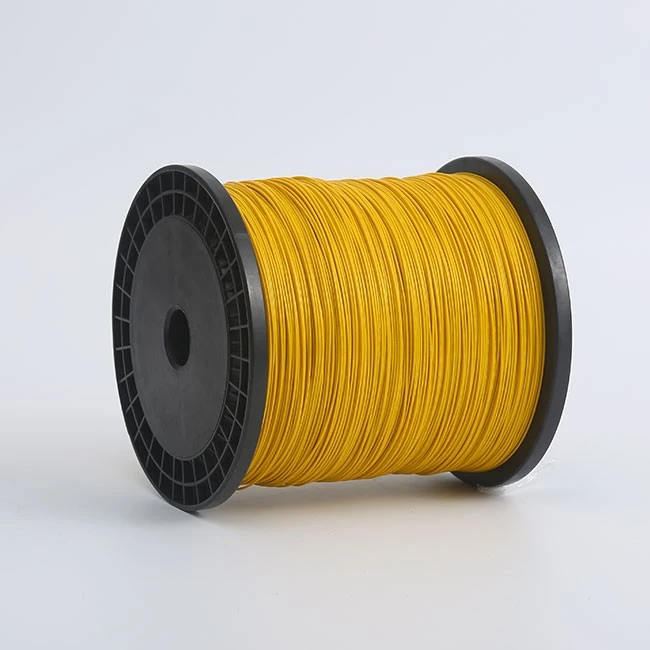
To ensure the quality and performance of our UL10584 single core copper wire, we conduct rigorous testing and quality control procedures at every stage of the manufacturing process. Our wire is tested according to the ASTM D2275 standard and other relevant standards to ensure that it meets the required corona resistance specifications.
Related Products
In addition to our UL10584 single core copper wire, we also offer a wide range of other single core copper wires that are suitable for various electrical applications. Some of our related products include:
- UL10316 Single Core Copper Wire: This wire is designed for use in low voltage applications, such as control circuits and instrumentation.
- UL10308 Single Core Copper Wire: This wire is suitable for use in power distribution and control circuits, offering excellent electrical performance and mechanical strength.
- UL10358 Single Core Copper Wire: This wire is designed for use in high temperature applications, providing reliable performance even in harsh environments.
Conclusion
Corona resistance is an important property of UL10584 single core copper wire, as it ensures the long-term reliability and safety of electrical systems. By understanding the concept of corona resistance, the factors that affect it, and the testing and standards for measuring it, you can make an informed decision when selecting a wire for your application.
As a trusted supplier of UL10584 single core copper wire, we are dedicated to providing our customers with high-quality products that meet the highest standards of corona resistance and performance. If you have any questions or need further information about our UL10584 single core copper wire or other related products, please do not hesitate to contact us. We look forward to working with you to meet your electrical wiring needs.
References
- ASTM D2275 - Standard Test Method for Corona Inception and Extinction Voltages of Electrical Insulation for Use in a Low-Pressure Environment
- UL 10584 - Standard for Single Core Copper Wire for Use in Electrical Equipment