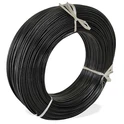
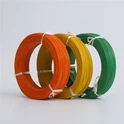
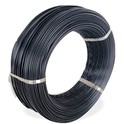
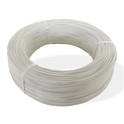
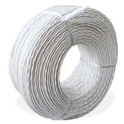
Hey there! As a supplier of UL1516 tin plated ETFE insulated wire, I often get asked about the difference between tin plated and non - tin plated UL1516 ETFE insulated wire. So, I thought I'd write this blog to break it down for you.
First off, let's talk about what UL1516 ETFE insulated wire is. ETFE stands for Ethylene Tetrafluoroethylene, which is a high - performance plastic insulation material. It's known for its excellent chemical resistance, high - temperature tolerance, and good electrical insulation properties. UL1516 is a standard set by Underwriters Laboratories (UL) for this type of wire, ensuring it meets certain safety and performance criteria.


Appearance and Physical Characteristics
One of the most obvious differences between tin plated and non - tin plated UL1516 ETFE insulated wire is the appearance. Tin plated wire has a shiny, metallic finish due to the thin layer of tin coating on the copper conductor. On the other hand, non - tin plated wire has the natural color of copper, which is a reddish - brown hue.
In terms of physical properties, the tin plating adds a bit of extra protection to the copper conductor. Tin is a corrosion - resistant metal, so it helps to prevent the copper from oxidizing and corroding over time. This is especially important in environments where the wire might be exposed to moisture, chemicals, or other corrosive substances. For non - tin plated wire, the copper is more directly exposed to the environment, which means it's more likely to develop a patina or corrode if not properly protected.
Electrical Performance
When it comes to electrical performance, both types of wire generally have similar basic electrical properties. They both have good conductivity because copper is an excellent conductor of electricity. However, there are some subtle differences.
Tin plated wire can sometimes have slightly better conductivity in certain situations. The tin coating can act as a barrier to reduce the formation of copper oxide on the surface of the conductor. Copper oxide is a poor conductor, and its presence can increase the resistance of the wire. By preventing or reducing the formation of copper oxide, tin plated wire can maintain a more consistent conductivity over time.
Non - tin plated wire, while having good initial conductivity, may experience a gradual increase in resistance as copper oxide forms on the surface. This increase in resistance can lead to more power loss in the form of heat, especially in high - current applications. So, in applications where long - term stability of electrical performance is crucial, tin plated wire might be a better choice.
Solderability
Solderability is another important factor to consider. Tin plated wire is much easier to solder compared to non - tin plated wire. The tin coating provides a good surface for the solder to adhere to, creating a strong and reliable electrical connection. When soldering non - tin plated wire, you may need to use flux to remove the oxide layer on the copper surface and help the solder flow properly. This extra step can be time - consuming and may require more skill to ensure a good solder joint.
If you're working on a project where you need to make a lot of solder connections, like in electronic circuit boards or electrical assemblies, tin plated wire can save you a lot of time and effort. It also reduces the risk of poor solder joints, which can lead to electrical failures or intermittent connections.
Cost
Cost is always a consideration when choosing between tin plated and non - tin plated UL1516 ETFE insulated wire. Tin plated wire is generally more expensive than non - tin plated wire. The cost of the tin plating process, as well as the additional material cost of the tin itself, contribute to the higher price.
However, you need to weigh the cost against the benefits. If you're working in an environment where corrosion resistance, long - term electrical stability, or ease of soldering are important, the extra cost of tin plated wire may be worth it. On the other hand, if you're on a tight budget and the wire will be used in a relatively clean and dry environment with low - current applications, non - tin plated wire may be a more cost - effective option.
Applications
The choice between tin plated and non - tin plated UL1516 ETFE insulated wire also depends on the specific application.
Tin plated wire is commonly used in applications where reliability and durability are top priorities. For example, in aerospace and automotive industries, where the wire may be exposed to harsh environments and vibrations, tin plated wire can provide better performance and a longer service life. It's also widely used in electronic devices, especially those that require high - quality solder joints, such as smartphones, laptops, and other consumer electronics.
Non - tin plated wire is often used in less demanding applications where cost is a major factor. For example, in some low - voltage electrical systems in buildings or in temporary electrical installations, non - tin plated wire can be a suitable choice as long as the environment is relatively benign.
Our Products
At our company, we offer high - quality tin plated UL1516 ETFE insulated wire. You can check out our High quality wire for more details. We also have other related products like UL10126 copper wire and UL10086 Teflon wire.
If you're in the market for UL1516 ETFE insulated wire, whether it's tin plated or non - tin plated, we can help you make the right choice based on your specific needs. We understand that every project is different, and we're here to provide you with the best solution.
Conclusion
In conclusion, the difference between tin plated and non - tin plated UL1516 ETFE insulated wire lies in appearance, physical characteristics, electrical performance, solderability, cost, and applications. Tin plated wire offers better corrosion resistance, more consistent electrical performance, easier solderability, but comes at a higher cost. Non - tin plated wire is more cost - effective but may require more maintenance in terms of preventing corrosion and ensuring good solder joints.
If you have any questions about which type of wire is right for your project, or if you're interested in purchasing our products, feel free to reach out. We're always happy to have a chat and help you find the perfect wire for your needs.
References
- "Electrical Wiring Handbook" by Terrell Croft
- "Handbook of Electronic Packaging Design and Engineering" by C.P. Wong