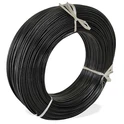
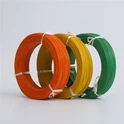
As a supplier of UL1670 tin plated ETFE insulated wire, I am often asked about the environmental adaptability of this remarkable product. In this blog post, I will delve into the various aspects of its environmental adaptability, shedding light on why it is a top choice for many industries.
Temperature Resistance
One of the most significant factors in environmental adaptability is temperature resistance. UL1670 tin plated ETFE insulated wire excels in this regard. ETFE (Ethylene Tetrafluoroethylene) is a high - performance fluoropolymer that offers excellent thermal stability.
The wire can withstand a wide range of temperatures. It has a continuous operating temperature range typically from - 65°C to 200°C. This wide temperature tolerance makes it suitable for use in both extremely cold and hot environments. For example, in aerospace applications, where components may be exposed to the frigid temperatures of high - altitude flight or the heat generated during re - entry, UL1670 tin plated ETFE insulated wire can maintain its electrical and mechanical properties.
In industrial settings, such as steel mills or foundries, where high temperatures are common, this wire can operate reliably without degradation. On the other hand, in cryogenic applications, like in some scientific research facilities or certain medical equipment, the wire's ability to function at low temperatures ensures consistent performance.
Chemical Resistance
Another crucial aspect of environmental adaptability is chemical resistance. UL1670 tin plated ETFE insulated wire is highly resistant to a wide variety of chemicals. ETFE has a non - reactive surface that repels many corrosive substances.
It can resist exposure to acids, bases, solvents, and oils. In chemical processing plants, where wires may come into contact with various corrosive chemicals during the manufacturing process, this wire provides long - term reliability. For instance, in the production of fertilizers, which involves handling strong acids and alkalis, UL1670 tin plated ETFE insulated wire can withstand the harsh chemical environment without suffering from corrosion or insulation breakdown.


Even in marine environments, where wires are exposed to saltwater and other corrosive agents, the wire's chemical resistance helps prevent degradation. This makes it a popular choice for use in ships, offshore platforms, and other marine applications.
Moisture and Humidity Resistance
Moisture and humidity can have a detrimental effect on electrical wires. UL1670 tin plated ETFE insulated wire has excellent moisture and humidity resistance. The ETFE insulation forms a tight barrier that prevents water from penetrating the wire.
In humid environments such as tropical regions or indoor swimming pools, the wire can operate without being affected by the high moisture content in the air. This is important because moisture can cause short - circuits, corrosion of conductors, and degradation of insulation over time.
In addition, the tin plating on the conductors further enhances the wire's resistance to moisture - related corrosion. Tin is a relatively inert metal that forms a protective oxide layer when exposed to air, which helps prevent rusting of the underlying copper conductors.
UV Resistance
Exposure to ultraviolet (UV) radiation can cause degradation of many materials, including wire insulation. UL1670 tin plated ETFE insulated wire has good UV resistance. The ETFE material is inherently resistant to the damaging effects of UV rays.
In outdoor applications, such as solar power installations or outdoor lighting systems, the wire can be exposed to direct sunlight for extended periods. The wire's UV resistance ensures that the insulation does not become brittle or crack over time, maintaining its electrical and mechanical integrity.
Mechanical Resistance
The wire also has good mechanical resistance, which is an important part of its environmental adaptability. It can withstand bending, twisting, and vibration without damage. The flexible stranded wire structure, as described in flexible stranded wire, allows it to be easily installed in tight spaces and around corners.
In automotive applications, where wires are subject to constant vibration and movement, UL1670 tin plated ETFE insulated wire can maintain its performance. Similarly, in machinery and equipment, the wire's mechanical resistance ensures that it can withstand the rigors of operation without breaking or losing its electrical conductivity.
Comparison with Other Wires
When compared to other types of wires, such as UL1508 Insulated Power Wire or ETFE Insulated Wire, UL1670 tin plated ETFE insulated wire offers a unique combination of environmental adaptability features.
While all these wires may have some level of temperature, chemical, and moisture resistance, the tin plating on the UL1670 wire provides an extra layer of protection against corrosion, especially in harsh environments. The specific design and construction of the UL1670 wire also make it more suitable for applications where flexibility and mechanical resistance are crucial.
Conclusion
In conclusion, UL1670 tin plated ETFE insulated wire has outstanding environmental adaptability. Its wide temperature range, chemical resistance, moisture and humidity resistance, UV resistance, and mechanical resistance make it a versatile choice for a wide range of applications.
Whether you are in the aerospace, industrial, marine, automotive, or any other industry that requires reliable electrical wiring in challenging environments, UL1670 tin plated ETFE insulated wire can meet your needs.
If you are interested in learning more about our UL1670 tin plated ETFE insulated wire or are looking to make a purchase, we invite you to reach out to us for a detailed discussion. Our team of experts is ready to assist you in finding the right wire solution for your specific requirements.
References
- "Handbook of Fluoropolymer Science and Technology", edited by Harry L. Hall.
- Technical specifications provided by wire manufacturers and industry standards organizations.