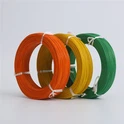
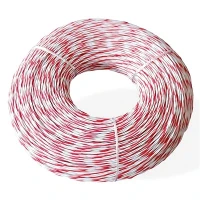
Hey there! As a supplier of FEP insulated wire, I'm often asked whether it's suitable for automotive applications. In this blog post, I'll share my insights on this topic, based on my experience in the industry and the properties of FEP insulated electric wire.
What is FEP Insulated Wire?
First off, let's talk about what FEP insulated electric wire is. FEP stands for fluorinated ethylene propylene, which is a fluoropolymer. It's used as an insulating material for wires because it has some pretty awesome properties. The insulation provides a protective layer around the conductor, which is usually made of copper or nickel clad copper wire.
FEP is well known for its chemical resistance. It can withstand a wide range of chemicals, including solvents, acids, and bases. This is super important because in automotive applications, wires might come into contact with various fluids like engine oil, coolant, and windshield washer fluid.
Another great property is its high temperature resistance. FEP can handle temperatures up to around 200°C continuously. This means that even in the hot environment under the hood of a car, where temperatures can soar, FEP insulated electric wire won't melt or degrade easily. You can check out our high temperature wire cable for more details on how it performs under high heat conditions.
FEP also has excellent electrical insulation properties. It has a low dielectric constant and a high dielectric strength, which helps to prevent electrical leakage and interference. This is crucial for automotive electrical systems, where reliable electrical performance is essential for the proper functioning of various components like the engine control unit, sensors, and entertainment systems.
Advantages of FEP Wire in Automotive Applications
1. Durability
In the automotive world, durability is key. Cars are exposed to all sorts of harsh conditions, from extreme temperatures to vibrations and mechanical stress. FEP insulated electric wire is up to the challenge. Its tough insulation can resist abrasion, so it won't easily get damaged when it's rubbed against other components in the car. This means that the wire will have a longer lifespan, reducing the need for frequent replacements.
2. Chemical Resistance
As I mentioned earlier, automotive fluids can be pretty corrosive. FEP's chemical resistance ensures that the wire won't be affected by these fluids. For example, if there's a small oil leak in the engine compartment and it comes into contact with the wire, the FEP insulation will prevent the oil from degrading the wire and causing electrical problems.
3. High Temperature Performance
The engine compartment of a car is like a mini furnace. Temperatures can get extremely high, especially during long drives or when the engine is working hard. FEP wire can maintain its performance in these high temperature conditions. It won't become brittle or lose its insulating properties, which helps to ensure the safety and reliability of the electrical system.
4. Electrical Performance
Automotive electrical systems rely on precise and stable electrical signals. FEP's excellent electrical insulation properties help to minimize electrical noise and interference. This is particularly important for modern cars, which are packed with electronic components that are sensitive to electrical disturbances. For instance, in a car's anti lock braking system (ABS), accurate electrical signals are necessary for the system to work properly, and FEP wire can help ensure this.
Considerations and Challenges
However, it's not all sunshine and rainbows. There are a few things to consider when using FEP wire in automotive applications.
1. Cost
FEP is a high performance material, and as a result, FEP electric wire can be more expensive than some other types of insulated wire. This can be a concern for automotive manufacturers who are looking to keep costs down. But it's important to weigh the cost against the benefits. In some cases, the improved performance and durability of FEP electric wire can actually save money in the long run by reducing maintenance and replacement costs.
2. Processing
FEP has a relatively high melting point, which can make it a bit more difficult to process compared to other insulating materials. Specialized equipment and techniques may be required during the manufacturing process to ensure that the wire is produced to the required specifications. This can add to the complexity and cost of using FEP electric wire.
3. Compatibility
Although FEP is compatible with many automotive fluids, it's important to ensure that it's also compatible with other materials used in the car. For example, if the wire is going to be in contact with a particular type of rubber or plastic component, there could be potential compatibility issues that need to be addressed.
Real World Examples and Case Studies
There are already some automotive applications where FEP electric wire is being used successfully. For example, in high performance cars, especially those with advanced electrical systems, FEP electric wire is used to connect sensitive electronic components. The wire's ability to withstand high temperatures and provide reliable electrical insulation is crucial for the performance of these cars.
Another example is in electric and hybrid cars. These vehicles have complex electrical systems that require high quality insulation. FEP insulated wire can meet the demanding requirements of these systems, such as high voltage applications and protection against electromagnetic interference.
Conclusion
So, is FEP insulated wire suitable for automotive applications? In my opinion, the answer is a resounding yes. Despite the challenges, the benefits of using FEP insulated electric wire, such as its durability, chemical resistance, high temperature performance, and excellent electrical properties, make it a great choice for many automotive electrical systems.