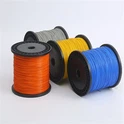
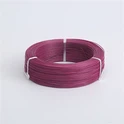
As an insulated wire supplier, I've witnessed firsthand the challenges that rodent damage can pose to our products. Rodents have a natural tendency to chew on various materials, and insulated wires are no exception. This chewing behavior can lead to short circuits, electrical failures, and even pose a significant fire hazard. In this blog post, I'll share some effective strategies to protect insulated wires from rodents.


Understanding the Rodent Threat
Before we delve into the protection methods, it's crucial to understand why rodents are attracted to insulated wires. Rodents' teeth grow continuously, and they need to chew on hard objects to keep their teeth at a manageable length. Insulated wires, with their rubbery or plastic coatings, provide an ideal chewing surface for them. Additionally, the warmth generated by electrical currents in the wires can also attract rodents seeking a cozy place to nest.
Physical Barriers
One of the most straightforward ways to protect insulated wires from rodents is by using physical barriers. These barriers prevent rodents from accessing the wires in the first place.
Conduits and Raceways
Installing wires inside conduits or raceways is an effective method. Conduits are tubes that encase the wires, providing a hard outer layer that rodents cannot easily chew through. Metal conduits, such as steel or aluminum, are particularly effective due to their durability. Raceways, on the other hand, are channels that can be surface mounted on walls or ceilings to hold the wires. They are usually made of plastic or metal and offer a similar level of protection.
Cable Sleeving
Cable sleeving is another option. It is a flexible tube that can be slipped over the wires. There are different types of cable sleeving available, such as braided sleeving and corrugated sleeving. Braided sleeving is made of woven fibers and provides a certain level of abrasion resistance. Corrugated sleeving, often made of plastic, is more rigid and can offer better protection against rodent bites.
Chemical Deterrents
Chemical deterrents can be used to make the wires less appealing to rodents.
Rodent Repellent Coatings
Some manufacturers offer rodent repellent coatings that can be applied to the wires. These coatings usually contain chemicals that have an unpleasant taste or odor for rodents. When rodents come into contact with the coated wires, they are deterred from chewing. However, it's important to ensure that these coatings are safe for use in electrical applications and do not interfere with the wire's performance.
Natural Repellents
There are also natural repellents that can be used. For example, peppermint oil is known to be a natural rodent repellent. Soaking cotton balls in peppermint oil and placing them near the wires can help keep rodents away. However, the effectiveness of natural repellents may be limited and may need to be reapplied regularly.
Environmental Control
Controlling the environment around the wires can also reduce the likelihood of rodent infestation.
Cleanliness
Keeping the area around the wires clean is essential. Rodents are attracted to areas with food sources and clutter. By removing any food debris, trash, or piles of materials, you can make the area less appealing to rodents. Regularly cleaning the storage areas where the wires are kept can also help prevent rodent nesting.
Sealing Entry Points
Rodents can enter a building through small holes and cracks. Sealing these entry points can prevent them from accessing the wires. Use caulk or steel wool to fill in any gaps around pipes, vents, and doors. Pay special attention to areas where wires enter the building, as these are common entry points for rodents.
Monitoring and Maintenance
Regular monitoring and maintenance are crucial to ensure the continued protection of the insulated wires.
Visual Inspections
Conduct regular visual inspections of the wires. Look for signs of rodent damage, such as chew marks, frayed insulation, or exposed wires. If any damage is detected, it should be repaired immediately to prevent further problems.
Pest Control
Consider hiring a professional pest control service to regularly inspect the area for rodent activity. They can use traps, baits, and other methods to control the rodent population. Some pest control services also offer rodent proofing services, which can be a valuable investment in protecting your insulated wires.
Conclusion
Protecting insulated wires from rodents is a multi faceted approach that involves physical barriers, chemical deterrents, environmental control, and regular monitoring. As an insulated wire supplier, I understand the importance of ensuring the integrity of our products. By implementing these strategies, you can significantly reduce the risk of rodent damage to your insulated wires.