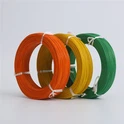
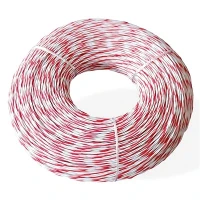
As a supplier of UL1332 tin plated FEP insulated wire, I often get asked about the minimum bend radius of this type of wire. The minimum bend radius is a crucial factor in the installation and performance of the wire, as it can affect the integrity of the insulation and the electrical conductivity. In this blog post, I will delve into what the minimum bend radius of UL1332 wire is, why it matters, and how to ensure proper installation.
Understanding the Minimum Bend Radius
The minimum bend radius refers to the smallest radius around which a wire can be bent without causing damage to the insulation or the conductor. For UL1332 tin plated FEP insulated wire, the minimum bend radius is typically specified by the manufacturer based on the wire's construction and the properties of the materials used.
The FEP (Fluorinated Ethylene Propylene) insulation used in UL1332 wire is known for its excellent chemical resistance, high temperature tolerance, and low friction coefficient. However, like all materials, it has its limits when it comes to bending. If the wire is bent beyond its minimum bend radius, the insulation may crack or separate from the conductor, leading to potential electrical shorts or other performance issues.
Factors Affecting the Minimum Bend Radius
Several factors can influence the minimum bend radius of UL1332 tin plated FEP insulated wire. These include:
- Wire Gauge: Thicker wires generally have a larger minimum bend radius than thinner wires. For example, a 12 Awg Stranded Copper Wire will typically have a larger minimum bend radius than an 18 AWG wire. This is because the thicker the wire, the more difficult it is to bend without causing damage to the insulation or the conductor.
- Insulation Thickness: The thickness of the FEP insulation also plays a role in determining the minimum bend radius. Thicker insulation can provide more protection to the conductor, but it may also make the wire less flexible. As a result, wires with thicker insulation may require a larger minimum bend radius.
- Stranding Configuration: The way the copper conductors are stranded can affect the flexibility of the wire and, consequently, the minimum bend radius. Stranded wires are generally more flexible than solid wires, allowing for a smaller minimum bend radius.
Typical Minimum Bend Radius Values
The minimum bend radius of UL1332 wire can vary depending on the specific wire gauge and application. However, as a general rule of thumb, the minimum bend radius for this type of wire is typically between 5 and 10 times the outer diameter of the wire.
It's important to note that these values are only guidelines, and the actual minimum bend radius may vary depending on the manufacturer's specifications and the specific requirements of your application. Always refer to the manufacturer's documentation for the most accurate information.


Why the Minimum Bend Radius Matters
Adhering to the minimum bend radius is essential for several reasons:
- Insulation Integrity: Bending the wire beyond its minimum bend radius can cause the insulation to crack or separate from the conductor. This can expose the conductor to moisture, dust, and other contaminants, leading to corrosion and electrical shorts.
- Electrical Performance: A damaged insulation can also affect the electrical performance of the wire. For example, a cracked insulation may increase the resistance of the wire, leading to power losses and reduced efficiency.
- Safety: Ensuring that the wire is bent within the recommended minimum bend radius is crucial for safety. A damaged wire can pose a fire hazard or cause electrical shock, especially in high-voltage applications.
Ensuring Proper Installation
To ensure that the UL1332 wire is installed correctly and within the recommended minimum bend radius, follow these guidelines:
- Plan Ahead: Before installing the wire, carefully plan the routing to avoid sharp bends or kinks. Use cable trays, conduits, or other support structures to guide the wire and maintain the proper bend radius.
- Use the Right Tools: Use appropriate tools, such as cable benders or wire pullers, to bend the wire smoothly and evenly. Avoid using excessive force or sharp objects that could damage the insulation.
- Follow Manufacturer's Instructions: Always refer to the manufacturer's documentation for the specific minimum bend radius and installation guidelines for the wire. If you have any questions or concerns, contact the manufacturer for further assistance.
Conclusion
In conclusion, the minimum bend radius of UL1332 tin plated FEP insulated wire is an important consideration for anyone working with this type of wire. By understanding the factors that affect the minimum bend radius and following the recommended installation guidelines, you can ensure the proper performance and safety of your electrical system.
If you are in the market for high-quality UL1332 wire, we are here to help. Our Tinned Electrical Wire is manufactured to the highest standards and offers excellent performance and reliability. Contact us today to discuss your specific requirements and explore how our products can meet your needs.