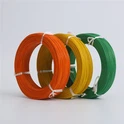
Hey there, folks! I'm a supplier of XLPE insulated wire, and today I'm gonna talk about a super important topic in our industry: the radiation resistance of XLPE insulated wire.
What is XLPE Insulated Wire?
First off, let's quickly refresh what XLPE insulated wire is. XLPE stands for Cross-Linked Polyethylene. It's a type of insulation material that's commonly used in electrical wires. Cross-linking the polyethylene gives it some really great properties compared to regular polyethylene. It has better heat resistance, mechanical strength, and chemical resistance. That's why it's so popular in all sorts of applications, from power distribution to industrial machinery.
Why Radiation Resistance Matters
Now, radiation resistance might not be something that comes to mind for everyone when they think about wires. But in certain environments, it's a crucial factor. Radiation can come from a bunch of sources like the sun (in space applications), nuclear power plants, and even some industrial processes. When wires are exposed to radiation, it can damage the insulation material. The radiation can break down the molecular structure of the insulation, leading to things like reduced insulation resistance, cracking, and even complete failure of the wire over time.
For us as suppliers, understanding the radiation resistance of XLPE insulated wire is crucial. It helps us recommend the right wires for different applications, whether it's a massive power project near a nuclear facility or a space mission. And for customers, using wires with good radiation resistance means fewer maintenance issues and a longer lifespan for their electrical systems.
The Radiation Resistance of XLPE Insulated Wire
So, how does XLPE stack up when it comes to radiation resistance? Well, XLPE has some inherent advantages. The cross-linked structure of XLPE is more stable compared to non - cross - linked polymers. When radiation hits the XLPE insulation, the cross - links act as a sort of network that can absorb and dissipate the energy from the radiation to some extent.
However, the radiation resistance of XLPE isn't infinite. The amount of radiation it can withstand depends on several factors. One of the most important factors is the dose rate of the radiation. A higher dose rate means more radiation energy is being delivered to the wire per unit of time. If the dose rate is too high, the XLPE insulation can still be damaged relatively quickly.
The type of radiation also matters. There are different types of radiation, such as gamma rays, alpha particles, and beta particles. Gamma rays are high - energy electromagnetic waves and can penetrate deeper into the insulation material. Alpha and beta particles, on the other hand, are charged particles and their interaction with the insulation depends on their energy and the thickness of the insulation.
Another factor is the duration of exposure. Even if the dose rate is relatively low, a long - term exposure to radiation can still cause cumulative damage to the XLPE insulation.
Testing the Radiation Resistance
To figure out how well an XLPE insulated wire can handle radiation, we use a bunch of testing methods. One of the common methods is to expose samples of the wire to a controlled radiation source. We can adjust the dose rate and the total dose of radiation according to the requirements of different applications.
During the test, we monitor various properties of the wire, such as insulation resistance, mechanical strength, and dielectric constant. If these properties change significantly, it indicates that the radiation has had an impact on the wire. For example, a decrease in insulation resistance could mean that the insulation is starting to break down, which is a big red flag.
Applications of Radiation - Resistant XLPE Insulated Wire
As I mentioned earlier, there are many applications where radiation - resistant XLPE insulated wire is a must. In the nuclear power industry, wires are used all over the place, from control systems to monitoring equipment. These wires are constantly exposed to radiation, so it's crucial that they have good radiation resistance to ensure the safe and reliable operation of the power plant.
In space applications, satellites and spacecraft rely on electrical systems to function. The radiation environment in space is very harsh, with high - energy particles and solar flares. Using XLPE insulated wires with good radiation resistance can help these electrical systems last longer and reduce the risk of malfunctions.
Industrial processes that involve radiation, such as radiation sterilization in the medical industry or radiation treatment in materials science, also require radiation - resistant wires to ensure the safety and efficiency of the operations.
Our Products and Radiation Resistance
Here at our company, we're very proud of our XLPE insulated wire products. We've been investing a lot in research and development to improve the radiation resistance of our wires. Our engineers are constantly working on new formulations and manufacturing processes to make our wires more resistant to radiation.


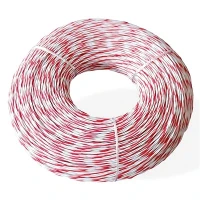
We offer a variety of XLPE insulated wire products, including Shielded twisted wire and copper power wire. Our UL3289 Wire is a great example of our high - quality products with excellent radiation resistance. It has passed a series of strict radiation tests and is suitable for many radiation - prone applications.
Conclusion and Call to Action
In conclusion, the radiation resistance of XLPE insulated wire is a complex but important topic. Understanding the factors that affect radiation resistance and using proper testing methods can help us ensure the quality of our wires. Whether you're in the nuclear power industry, space exploration, or any other field that requires radiation - resistant wires, we've got you covered with our high - quality XLPE insulated wire products.
If you're interested in learning more about our products or have any questions regarding the radiation resistance of our wires, don't hesitate to get in touch with us. We're always here to help you find the right solution for your electrical needs. Let's start a conversation and see how we can work together to make your projects a success!
References
- "Electrical Insulation Materials and Their Applications" by some experts in the field.
- Research papers on the radiation effects on polymers and their applications in wire insulation.