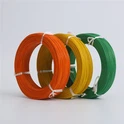
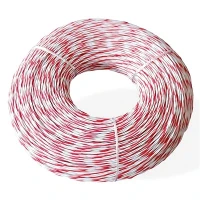
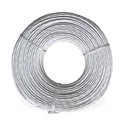
As a supplier of ETFE insulated wire, I often get asked about the recycling process for this specialized type of wire. ETFE, or ethylene tetrafluoroethylene, is a high-performance fluoropolymer known for its excellent chemical resistance, high mechanical strength, and remarkable thermal stability. These properties make ETFE insulated wire a popular choice in various industries, including aerospace, automotive, and electronics. However, with the increasing focus on environmental sustainability, understanding the recycling process for ETFE insulated wire has become crucial.
The Importance of Recycling ETFE Insulated Wire
Recycling ETFE insulated wire is not only beneficial for the environment but also for the economy. By recycling, we can reduce the demand for virgin materials, which in turn conserves natural resources and reduces energy consumption. Additionally, recycling helps to minimize the amount of waste sent to landfills, which can have a significant impact on the environment. From an economic perspective, recycling can also create jobs in the recycling and manufacturing sectors.
The Recycling Process for ETFE Insulated Wire
The recycling process for ETFE insulated wire typically involves several steps, each designed to separate the different components of the wire and prepare them for reuse. Here's a detailed breakdown of the process:
Step 1: Collection and Sorting
The first step in the recycling process is to collect the ETFE insulated wire. This can be done through various channels, such as industrial waste collection, electronic waste recycling programs, or direct collection from end-users. Once collected, the wire is sorted based on its type, size, and composition. This step is crucial as it ensures that the wire is processed efficiently and effectively.


Step 2: Shredding
After sorting, the ETFE insulated wire is shredded into small pieces. Shredding helps to increase the surface area of the wire, making it easier to separate the different components. The shredded wire is then passed through a series of screens to remove any large particles or contaminants.
Step 3: Separation
The next step is to separate the different components of the wire, namely the ETFE insulation and the metal conductor. This can be done using a variety of methods, including mechanical separation, chemical separation, and thermal separation.
- Mechanical Separation: This method involves using physical forces to separate the ETFE insulation from the metal conductor. For example, the shredded wire can be passed through a series of rollers or screens that apply pressure to the wire, causing the insulation to break away from the conductor.
- Chemical Separation: Chemical separation involves using chemicals to dissolve the ETFE insulation, leaving the metal conductor behind. This method is often used when the insulation is difficult to separate mechanically. However, it requires careful handling of the chemicals to ensure environmental safety.
- Thermal Separation: Thermal separation involves heating the shredded wire to a high temperature, causing the ETFE insulation to melt or vaporize. The metal conductor remains solid and can be easily separated from the melted or vaporized insulation. This method is energy-intensive but can be effective in separating the components of the wire.
Step 4: Purification
Once the ETFE insulation and the metal conductor have been separated, they are further purified to remove any remaining contaminants. The metal conductor is typically melted and refined to remove impurities, while the ETFE insulation is processed to remove any residual chemicals or additives.
Step 5: Reuse
The final step in the recycling process is to reuse the separated and purified components. The metal conductor can be used to manufacture new wires or other metal products, while the ETFE insulation can be used to produce new insulation materials or other plastic products.
Challenges in Recycling ETFE Insulated Wire
While the recycling process for ETFE insulated wire is well-established, there are still several challenges that need to be addressed. One of the main challenges is the high cost of recycling, which can make it difficult for recycling companies to operate profitably. Additionally, the complex composition of ETFE insulated wire can make it difficult to separate the different components efficiently, which can further increase the cost of recycling.
Another challenge is the lack of awareness about the importance of recycling ETFE insulated wire. Many end-users are not aware that ETFE insulated wire can be recycled, or they may not know how to properly dispose of it. This can lead to a significant amount of ETFE insulated wire being sent to landfills, where it can take hundreds of years to decompose.
Our Role as an ETFE Insulated Wire Supplier
As a supplier of High quality wire, Copper Wire Silver Plated, and high heat resistant wire, we have a responsibility to promote the recycling of our products. We are committed to working with our customers and partners to develop sustainable solutions that minimize the environmental impact of our products.
One way we are doing this is by providing our customers with information about the recycling process for ETFE insulated wire. We also offer recycling programs that make it easy for our customers to return their used wire for recycling. By working together, we can help to reduce the amount of waste sent to landfills and conserve natural resources.
Contact Us for Your ETFE Insulated Wire Needs
If you are in the market for high-quality ETFE insulated wire, look no further. We offer a wide range of High quality wire, Copper Wire Silver Plated, and high heat resistant wire products that are designed to meet the needs of various industries. Our products are manufactured using the latest technology and highest quality materials, ensuring superior performance and reliability.
Whether you are looking for a small quantity of wire for a prototype or a large volume for a production run, we can help. Contact us today to learn more about our products and services, and to discuss your specific requirements. We look forward to working with you to meet your ETFE insulated wire needs.
References
- ASTM International. (2021). Standard Specification for Ethylene-Tetrafluoroethylene (ETFE) Fluoropolymer Insulated Wire and Cable. ASTM D3309-21.
- European Committee for Standardization. (2019). Insulated Cables for Rated Voltages up to and Including 450/750 V - Part 3: Heat-Resistant Cables with Ethylene-Tetrafluoroethylene (ETFE) Insulation. EN 50525-3-11.
- International Electrotechnical Commission. (2017). Insulated Cables - Part 3: Heat-Resistant Cables with Ethylene-Tetrafluoroethylene (ETFE) Insulation. IEC 60245-3-11.