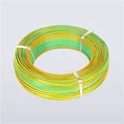
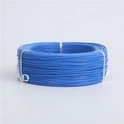
UL 1332 wire is widely used in scenarios such as transformer leads, motor winding leads, and internal electrical connection wires. On the basis of meeting the requirements of UL 1332 for insulation materials, flame retardancy, and temperature resistance levels, the selection of conductor materials is also a key factor affecting the performance, cost, and service life of wires. How to choose conductor material? This article systematically compares three common conductor materials, tin plated copper, silver plated copper, and nickel plated copper, from the aspects of advantages, disadvantages, and application scenarios, to help procurement and engineering personnel make more efficient selection decisions.
tin plated copper
Tin plated copper is the most common and widely used form of conductor in UL 1332 tin plated copper wire, which is coated with a layer of tin on the surface of bare copper conductors and has excellent performance.
- Good antioxidant performance: The tin layer can effectively isolate copper conductors from contact with air and moisture, delay oxidation and corrosion, and is suitable for long-term use environments.
- Excellent solderability: Tin itself has good weldability, and stable solder joints can be obtained by combining it with conventional tin lead or lead-free solder.
- Moderate temperature resistance range: Conventional tin plating can meet the temperature requirements of 105 ℃ to 150 ℃, beyond which the tin layer may undergo oxidation discoloration or embrittlement.
- Cost economy: Compared with silver plating and nickel plating processes, tin plated copper has the lowest production cost and comprehensive cost-effectiveness
Application scenarios of UL 1332 tin plated copper wire
- Internal connection wires for household appliances (such as internal wiring for refrigerators, washing machines, and air conditioners).
- Lead wires for medium and low temperature transformers.
- Signal lines and power lines for general industrial control equipment.
- For routine applications that are cost sensitive and operate at temperatures not exceeding 150 ℃.
Silver plated copper
Silver plated copper is a layer of silver plated on the surface of a copper conductor. Silver has the best conductivity among all metals, so silver plated copper has excellent conductivity and high temperature resistance.
- Best conductivity: Silver has higher conductivity than tin and nickel, which can reduce signal loss in high-frequency signal transmission scenarios.
- Outstanding high temperature resistance: The silver plating layer can maintain stable conductivity and oxidation resistance in high temperature environments of 200 ℃ and above, making it particularly suitable for use with high-temperature insulation materials such as FEP.
- Excellent weldability: The silver layer has stable weldability and is not prone to cold solder joint problems caused by oxidation in high temperature environments.
- High cost: Silver, as a precious metal, has significantly higher material costs than tin and nickel, making it the most expensive option among the three.
Application scenarios of UL 1332 silver plated copper wire
- High temperature transformer leads (temperature rating of 200 ℃ and above).
- Wiring of precision equipment with extremely high reliability requirements, such as aerospace and military industries.
- High frequency signal transmission cable.
- High temperature lead wires inside special motors and heating equipment.
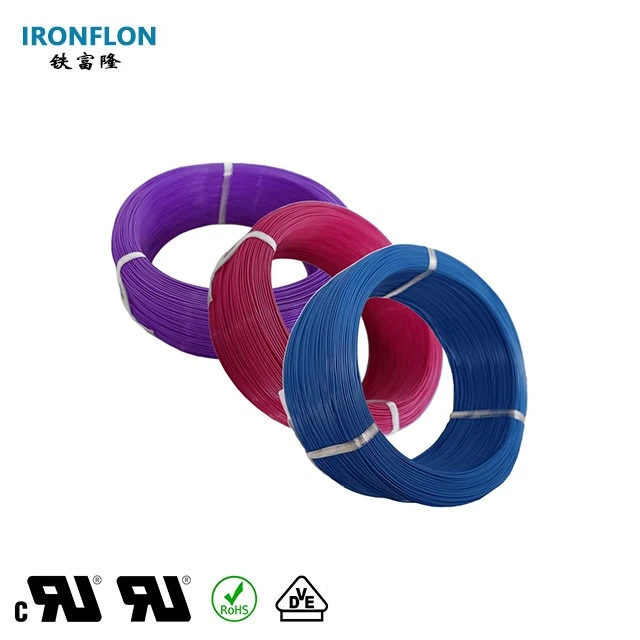
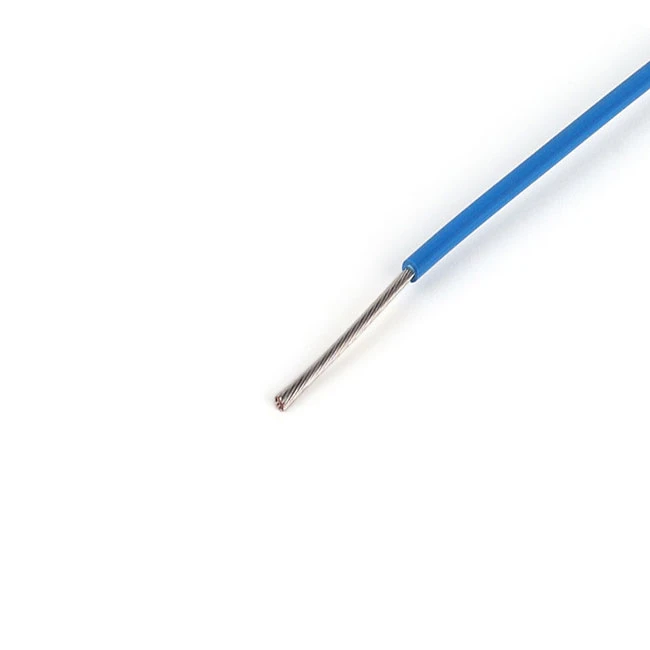
Nickel plated copper
Nickel plated copper is the process of coating a layer of nickel on the surface of a copper conductor. The nickel layer has a high melting point and hardness, endowing the conductor with excellent high temperature resistance and corrosion resistance.
- Excellent high temperature resistance: The melting point of nickel is much higher than that of tin, and nickel plated copper can withstand temperatures of 250 ℃ or even higher, making it difficult to oxidize and peel off in long-term high temperature environments.
- Strong corrosion resistance: The nickel layer has good resistance to corrosive environments such as acid, alkali, and salt spray, making it suitable for harsh working conditions.
- High mechanical strength: The nickel layer has high hardness and good wear resistance on the surface of the conductor, making it suitable for frequent bending or vibration environments.
- Relatively weak solderability: Nickel layer is more difficult to solder than tin and silver, usually requiring specialized solder or flux. In some applications, crimping and winding are used instead of soldering.
Application scenarios of UL 1332 Nickel plated copper wire
- High temperature motor winding lead wire.
- Connecting wires for continuous high-temperature working environments such as industrial furnaces and heating elements.
- Equipment wiring in highly corrosive environments such as chemical and marine industries.
- Internal cables of industrial equipment with high vibration.
Selection Recommendation
For the convenience of quick selection, we will summarize the core principles directly:
- Conventional industrial, humid environment, and mass production of general equipment: tin plated copper conductors are selected for universal, worry free, and durable use.
- Precision instruments, high-frequency signals, low loss requirements: choose silver plated copper conductors for stable signals and precise transmission.
- Ultra high temperature, strong corrosion, and severe oil pollution conditions: choose nickel plated copper conductors, which are weather resistant, durable, and have a long service life.
As a professional manufacturer of UL 1332 wire, Zhejiang IRONFLON reminds everyone that the core of selection is to adapt to working conditions, match according to needs, and consider factors such as usage temperature, environmental humidity, corrosion conditions, signal requirements, and budget in order to select the appropriate wire.
We can provide full material and full specification UL 1332 wire customization, supporting the production of different conductors, wire diameters, colors, and twisting processes as needed. The wires strictly comply with UL certification standards, with stable insulation performance, sufficient conductor size, and fine workmanship, suitable for various industrial supporting, precision equipment, and high-end customization scenarios. Customers are welcome to consult and cooperate.