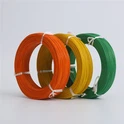
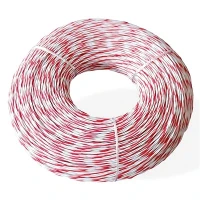
Fluorinated ethylene propylene (FEP) insulated wire is a popular choice in various industries due to its excellent electrical properties, high chemical resistance, and wide operating temperature range. As a leading FEP insulated wire supplier, we often receive inquiries from customers about whether this type of wire requires special maintenance. In this blog post, we will delve into this topic and provide you with comprehensive information to help you understand the maintenance requirements of FEP insulated wire.
Understanding FEP Insulated Wire
Before discussing maintenance, it's essential to understand what FEP insulated wire is and why it's widely used. FEP is a copolymer of hexafluoropropylene and tetrafluoroethylene. It has a smooth surface, low friction coefficient, and is highly resistant to chemicals, moisture, and UV radiation. These properties make FEP an ideal insulating material for wires used in harsh environments, such as aerospace, automotive, and industrial applications.
Our company offers a wide range of FEP insulated wires, including 3C Wire, Tin Coated Wire, and UL10064 Wire. Each type of wire is designed to meet specific requirements and standards, ensuring reliable performance in different applications.
General Maintenance Requirements
In general, FEP insulated wire does not require extensive or special maintenance compared to some other types of wires. Its inherent properties, such as chemical resistance and low moisture absorption, contribute to its long-term durability and reliability. However, there are still some basic maintenance practices that can help ensure the optimal performance and longevity of the wire.
Visual Inspection
Regular visual inspections are crucial for detecting any signs of damage or wear on the wire. Check for cuts, abrasions, or cracks in the FEP insulation. These can expose the underlying conductor, leading to electrical shorts or other safety hazards. Inspect the wire connectors and terminals as well to ensure they are secure and free from corrosion.
Cleaning
If the wire is exposed to dirt, dust, or other contaminants, it may be necessary to clean it. Use a mild detergent and a soft cloth to gently wipe the surface of the wire. Avoid using abrasive materials or harsh chemicals, as these can damage the FEP insulation. After cleaning, make sure the wire is completely dry before reconnecting it to any electrical equipment.
Temperature and Environment
FEP insulated wire has a wide operating temperature range, typically from -200°C to 200°C. However, extreme temperatures can still affect its performance over time. Avoid exposing the wire to temperatures outside its specified range for extended periods. Additionally, protect the wire from direct sunlight, moisture, and corrosive chemicals to prevent degradation of the insulation.
Special Considerations in Different Applications
The maintenance requirements of FEP insulated wire may vary depending on the specific application. Here are some special considerations for different industries:
Aerospace
In the aerospace industry, FEP insulated wire is used in critical systems where reliability is of utmost importance. Regular inspections are even more crucial in this environment. The wire may be subjected to high vibrations, extreme temperatures, and pressure changes. In addition to visual inspections, non-destructive testing methods, such as ultrasonic testing, may be used to detect any internal defects in the wire.
Automotive
In automotive applications, FEP insulated wire is often used in engine compartments and other areas where it may be exposed to oil, grease, and other automotive fluids. These fluids can potentially damage the FEP insulation over time. Therefore, it's important to keep the wire clean and protected from contact with these substances. Regularly check the wire for any signs of swelling or discoloration, which may indicate chemical damage.


Industrial
In industrial settings, FEP insulated wire may be used in machinery and equipment that generate a lot of heat and electromagnetic interference (EMI). To prevent overheating, ensure proper ventilation around the wire. Shielded FEP insulated wire can be used to reduce the effects of EMI. Additionally, if the wire is used in a high-voltage application, follow all safety procedures and regulations to prevent electrical shock and other hazards.
Benefits of Proper Maintenance
Proper maintenance of FEP insulated wire offers several benefits:
Extended Lifespan
By following the recommended maintenance practices, you can significantly extend the lifespan of the wire. This reduces the need for frequent replacements, saving you time and money in the long run.
Improved Performance
Well-maintained wire ensures consistent electrical performance, reducing the risk of electrical failures and downtime. This is especially important in critical applications where any interruption can have serious consequences.
Safety
Regular inspections and maintenance help identify and address potential safety hazards before they cause an accident. This protects both the equipment and the personnel working with it.
Conclusion
In conclusion, while FEP insulated wire does not require special maintenance in the strictest sense, proper care and attention can go a long way in ensuring its optimal performance and longevity. By following the general maintenance guidelines and considering the specific requirements of your application, you can keep your FEP insulated wire in excellent condition.
As a trusted FEP insulated wire supplier, we are committed to providing high-quality products and comprehensive technical support. If you have any questions about FEP insulated wire or its maintenance, please feel free to contact us. We look forward to discussing your needs and helping you find the best solutions for your applications.
References
- "Handbook of Electrical and Electronic Insulating Materials" by D. C. Sinclair
- "Insulation Materials and Systems for Electric Machines" by H. Nakao and T. Ishiguro
- Industry standards and guidelines related to FEP insulated wire, such as UL and IEC standards.