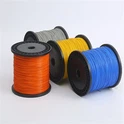
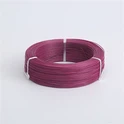
As a supplier of UL1508 tin plated ETFE insulated wire, I understand the importance of proper storage to maintain the quality and performance of this specialized product. UL1508 wire is widely used in various industries, including aerospace, automotive, and electronics, due to its excellent electrical properties, high temperature resistance, and corrosion resistance. In this blog, I will share some key considerations and best practices for storing UL1508 wire properly.
Understanding the Characteristics of UL1508 Tin Plated ETFE Insulated Wire
Before discussing storage methods, it's essential to understand the unique characteristics of UL1508 ETFE insulated wire. ETFE (Ethylene Tetrafluoroethylene) is a high-performance fluoropolymer known for its exceptional chemical resistance, mechanical strength, and thermal stability. The tin plating on the wire provides additional protection against oxidation and corrosion, enhancing the wire's durability and longevity.
However, despite its robust properties, UL1508 ETFE insulated wire can still be susceptible to damage if not stored correctly. Factors such as temperature, humidity, exposure to chemicals, and physical stress can all affect the wire's performance and lifespan. Therefore, it's crucial to implement appropriate storage measures to safeguard the wire from these potential threats.
Temperature and Humidity Control
One of the most critical factors in storing UL1508 wire is maintaining optimal temperature and humidity levels. Extreme temperatures can cause the ETFE insulation to expand or contract, leading to cracking or damage. High humidity can also promote the growth of mold and mildew, which can compromise the wire's electrical properties and structural integrity.
Ideally, UL1508 wire should be stored in a climate-controlled environment with a temperature range of 20°C to 30°C (68°F to 86°F) and a relative humidity level of 40% to 60%. This helps to prevent thermal stress and moisture-related issues, ensuring that the wire remains in good condition over time.
If climate control is not feasible, it's important to avoid storing the wire in areas prone to extreme temperature fluctuations or high humidity, such as attics, basements, or unventilated storage rooms. Instead, consider using a dehumidifier or air conditioner to regulate the temperature and humidity in the storage area.
Protection from Chemical Exposure
UL1508 wire should be stored away from chemicals, solvents, and other corrosive substances. These materials can react with the tin plating or the ETFE insulation, causing damage or degradation. Common sources of chemical exposure include cleaning agents, paints, fuels, and industrial chemicals.
To prevent chemical contamination, store the wire in a dedicated storage area that is separate from other chemicals and materials. Use sealed containers or storage cabinets to protect the wire from airborne chemicals and spills. If the wire comes into contact with any chemicals, it should be thoroughly cleaned and inspected before use.
Avoiding Physical Damage
Physical damage can also compromise the performance of UL1508 wire. Sharp objects, excessive bending or twisting, and heavy loads can all cause the wire to break or become damaged. Therefore, it's important to handle the wire with care and store it in a way that minimizes the risk of physical damage.
When storing the wire, avoid stacking heavy objects on top of it or subjecting it to excessive pressure. Use suitable storage racks or shelves to keep the wire organized and prevent it from being crushed or tangled. If the wire is stored in coils or spools, make sure they are properly supported and secured to prevent them from unraveling or becoming damaged.
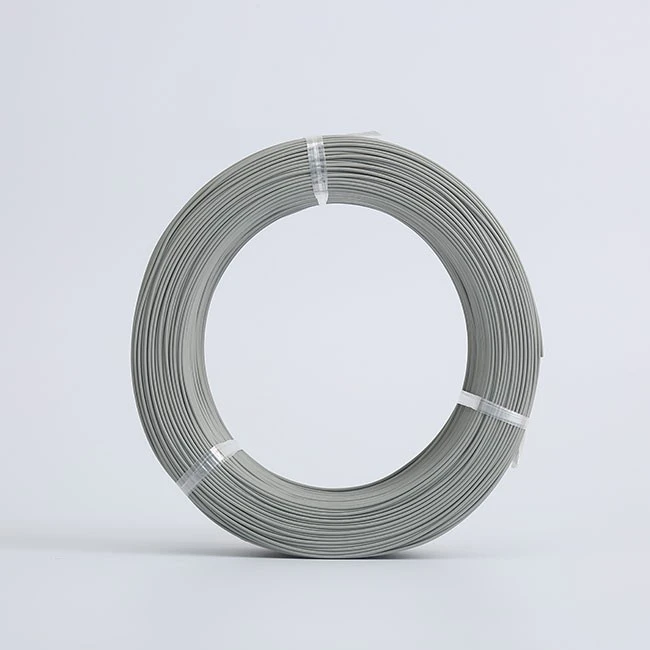
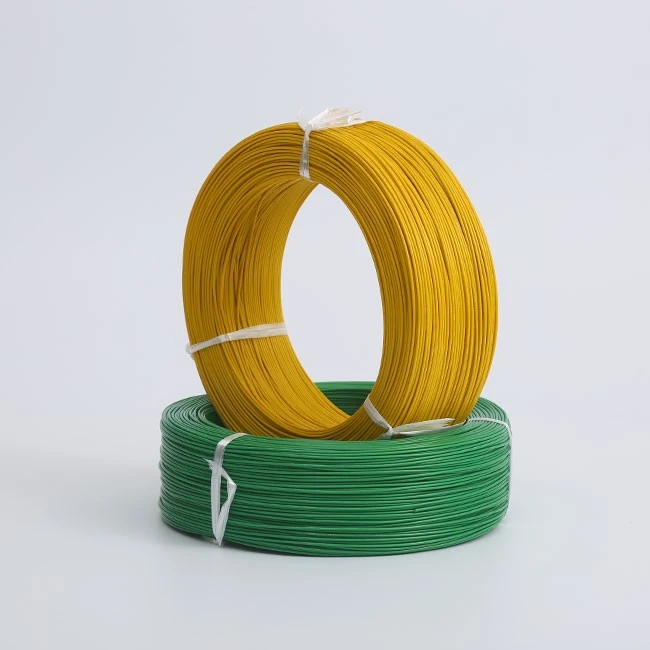
Proper packaging is essential for protecting UL1508 wire during storage and transportation. The wire should be packaged in a way that provides adequate protection against physical damage, moisture, and chemical exposure.
When packaging the wire, use high-quality materials such as plastic bags, cardboard boxes, or metal containers. Make sure the packaging is sealed tightly to prevent moisture and dust from entering. If the wire is stored in coils or spools, use protective covers or caps to prevent the ends from becoming damaged.
Regular inspection and maintenance are crucial for ensuring the long-term performance of UL1508 tin plated ETFE insulated wire. Periodically check the wire for signs of damage, such as cracks, cuts, or corrosion. If any damage is detected, the wire should be replaced immediately to prevent further issues.
In addition to visual inspection, it's also important to perform electrical tests on the wire to ensure its performance meets the required standards. This can help to identify any potential issues early on and prevent costly downtime or equipment failures.
Proper storage of UL1508 tin plated ETFE insulated wire is essential for maintaining its quality and performance. By following the best practices outlined in this blog, you can ensure that your wire remains in good condition and is ready for use when needed.