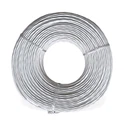
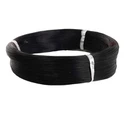
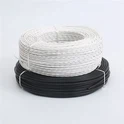
When it comes to electrical systems, the proper connection of XLPE (Cross-Linked Polyethylene) insulated wire to electrical devices is of utmost importance. As a reputable XLPE insulated wire supplier, I understand the significance of providing clear guidance on this topic. In this blog post, I will delve into the steps and considerations for safely and effectively connecting XLPE insulated wire to various electrical devices.
Understanding XLPE Insulated Wire
XLPE insulated wire is widely used in electrical applications due to its excellent electrical properties, thermal resistance, and mechanical strength. The cross-linked polyethylene insulation provides a high degree of protection against electrical breakdown, moisture, and environmental factors. This makes XLPE insulated wire suitable for a variety of applications, including power distribution, industrial machinery, and building wiring.
We offer a range of XLPE insulated wires, such as UL3385 Wire, XLPE electrical cable, and Ul3271 Wire, which meet the highest industry standards and are designed to provide reliable performance in demanding environments.
Preparing for the Connection
Before connecting XLPE insulated wire to an electrical device, it is essential to take the necessary precautions to ensure a safe and successful installation. Here are the steps to follow:
Select the Right Wire
Choose the appropriate XLPE insulated wire based on the electrical requirements of the device and the application. Consider factors such as voltage rating, current capacity, and environmental conditions. Refer to the device's specifications and the relevant electrical codes and standards to determine the correct wire size and type.
Gather the Tools and Materials
You will need the following tools and materials for the connection:
- Wire strippers
- Crimping tool
- Electrical tape
- Heat shrink tubing (optional)
- Terminal connectors (e.g., ring terminals, spade terminals)
- Screwdriver or Allen wrench (depending on the device)
Turn Off the Power
Before working on any electrical connections, turn off the power supply to the circuit at the main breaker panel or fuse box. This will prevent the risk of electric shock and ensure your safety during the installation process.
Inspect the Wire and Device
Check the XLPE insulated wire for any damage or defects, such as cuts, abrasions, or exposed conductors. Also, inspect the electrical device for any signs of damage or wear. If you notice any issues, replace the wire or device before proceeding with the connection.
Connecting XLPE Insulated Wire to Electrical Devices
Once you have completed the preparation steps, you can proceed with connecting the XLPE insulated wire to the electrical device. The following are the general steps for making a connection:
Strip the Wire
Use wire strippers to remove a small portion of the insulation from the end of the XLPE insulated wire. The length of the stripped section will depend on the type of terminal connector you are using. Typically, a strip length of 1/4 to 3/8 inch is sufficient.
Attach the Terminal Connector
Select the appropriate terminal connector for the device and the wire size. Slide the terminal connector onto the stripped end of the wire and use a crimping tool to secure it in place. Make sure the connector is properly seated and the crimp is tight to ensure a good electrical connection.
Connect the Wire to the Device
Locate the terminal block or connection point on the electrical device. If the device has screw terminals, loosen the screws and insert the terminal connector into the terminal block. Tighten the screws to secure the connection. If the device has push-in terminals, insert the terminal connector into the terminal hole until it clicks into place.
Insulate the Connection
Once the wire is connected to the device, use electrical tape or heat shrink tubing to insulate the connection. Wrap the electrical tape around the connection point to prevent the risk of short circuits and to protect the conductors from moisture and environmental factors. If using heat shrink tubing, slide the tubing over the connection and use a heat gun to shrink it tightly around the wire and terminal connector.
Test the Connection
After completing the connection, turn on the power supply to the circuit and test the electrical device to ensure it is functioning properly. Check for any signs of overheating, sparking, or abnormal operation. If you notice any issues, turn off the power immediately and inspect the connection for any problems.
Considerations for Different Types of Electrical Devices
The connection process may vary depending on the type of electrical device you are working with. Here are some additional considerations for different types of devices:
Switches and Outlets
When connecting XLPE insulated wire to switches and outlets, make sure to follow the wiring diagram provided with the device. Typically, the black wire is the hot wire, the white wire is the neutral wire, and the green or bare wire is the ground wire. Connect the wires to the appropriate terminals on the switch or outlet and secure them with screws or push-in terminals.
Motors and Transformers
Motors and transformers require special attention when making electrical connections. Make sure to follow the manufacturer's instructions and wiring diagrams to ensure the correct connection of the XLPE insulated wire. Pay close attention to the polarity and phase sequence of the wires to prevent damage to the motor or transformer.
Circuit Breakers and Fuses
Circuit breakers and fuses are designed to protect the electrical circuit from overcurrent and short circuits. When connecting XLPE insulated wire to circuit breakers and fuses, make sure to use the correct wire size and type. Follow the manufacturer's instructions for installing the circuit breaker or fuse and connecting the wires to the terminals.


Troubleshooting Common Connection Problems
If you encounter any problems during the connection process, here are some common issues and their solutions:
Loose Connection
A loose connection can cause overheating, sparking, and electrical malfunctions. Check the terminal connectors and screws to make sure they are tight. If necessary, re-crimp the terminal connectors or tighten the screws to secure the connection.
Poor Electrical Conductivity
If the electrical device is not functioning properly or if there is a significant voltage drop across the connection, it may be due to poor electrical conductivity. Check the stripped end of the wire for any oxidation or contamination. Clean the wire with sandpaper or a wire brush to remove any debris and improve the conductivity.
Short Circuit
A short circuit occurs when the hot wire comes into contact with the neutral or ground wire. This can cause a tripped circuit breaker or blown fuse. Check the connection for any signs of damage or exposed conductors. If you find a short circuit, turn off the power immediately and repair the connection.
Conclusion
Connecting XLPE insulated wire to electrical devices requires careful planning, preparation, and attention to detail. By following the steps and considerations outlined in this blog post, you can ensure a safe and reliable connection that will provide long-term performance and protection for your electrical system.
As a leading XLPE insulated wire supplier, we are committed to providing high-quality products and expert guidance to our customers. If you have any questions or need assistance with your XLPE insulated wire connections, please do not hesitate to contact us. We look forward to working with you to meet your electrical needs.
References
- National Electrical Code (NEC)
- UL Standards for Electrical Wires and Cables
- Manufacturer's Instructions for Electrical Devices